

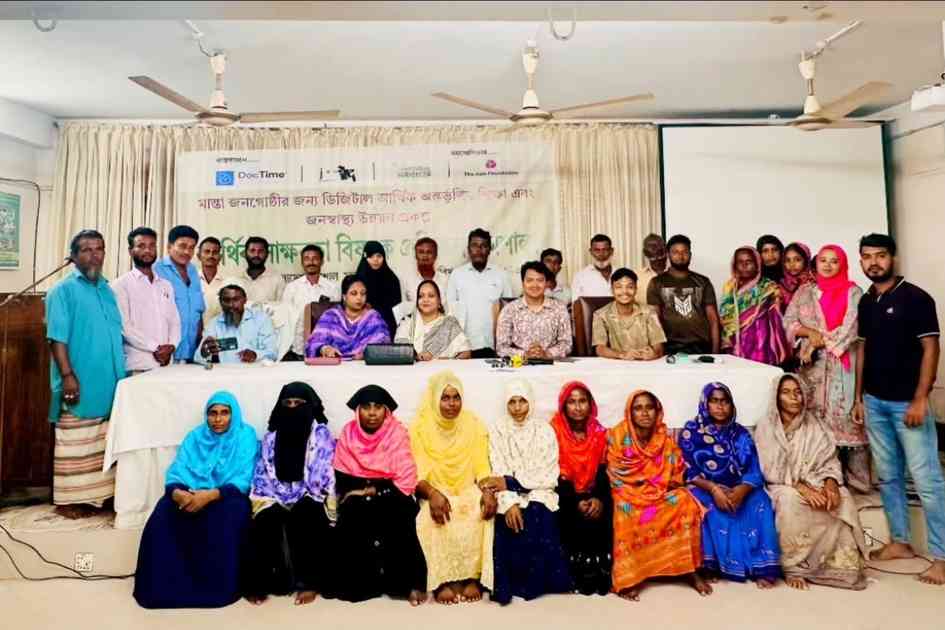



The Barishal workshop linked financial inclusion with resilience, giving river dependent Manta participants tools to manage income, plan expenses and explore livelihood options amid climate and economic pressures.
Members of Bangladesh’s river dependent Manta fisherfolk community are gaining financial skills through a new initiative aimed at strengthening livelihoods, improving economic security, and building resilience against climate and social challenges.
YouthNet Global organized the second Financial Literacy Training Workshop on Monday in Barishal city under the Manta Connect Project, bringing together 30 members of the Manta community to develop practical knowledge on financial management, savings, budgeting, and livelihood planning.
The workshop focused on helping participants understand everyday financial practices, including managing household expenses, developing savings habits, and making informed decisions about income generation. It also created a space for community members to share their experiences, challenges, and aspirations while recognizing their knowledge and leadership in shaping solutions for their own futures.
The Manta are one of Bangladesh’s unique river dependent fisherfolk communities, whose traditional way of life and livelihoods are closely connected to rivers and aquatic ecosystems. For generations, they have developed deep knowledge of river environments and maintained a distinct cultural identity. However, many Manta families continue to face challenges including river erosion, climate change impacts, unstable incomes, limited access to formal financial services, and historical social exclusion.
For a community that has often remained outside mainstream financial systems, access to financial knowledge can help strengthen confidence in managing resources, planning for the future, and exploring new livelihood opportunities.
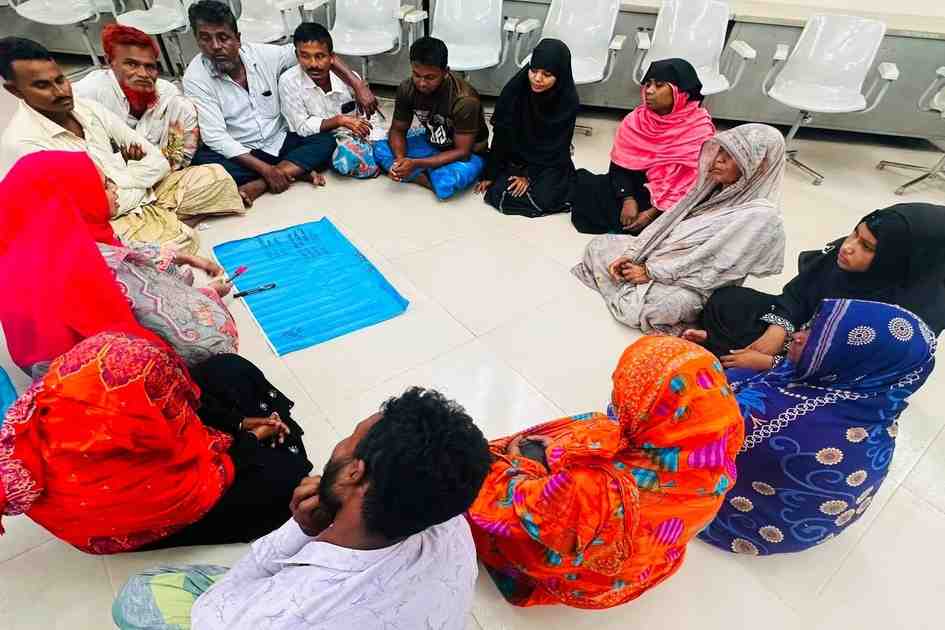
“Financial literacy is more than managing money; it is a pathway to empowerment, dignity, and equal opportunities, especially for communities that have historically faced barriers to financial inclusion,” said Sohanur Rahman, Executive Coordinator of YouthNet Global.
Momtaj Begum, a workshop participant from the Manta community, said the training increased her confidence in making financial decisions.
“Learning how to save, plan expenses, and manage income gives us more confidence to prepare for the future,” she said.
Organizers said the workshop was designed not only to provide financial knowledge but also to recognize the experiences, leadership, and traditional knowledge of the Manta people. They emphasized that lasting solutions must be developed with communities by listening to their needs, priorities, and aspirations.
“This initiative recognizes that financial inclusion is a key part of building resilience among communities facing climate and economic challenges,” said Arifur Rahman Shuvo, General Secretary of YouthNet Global.
The Manta Connect Project is supported by The Asia Foundation, an international development organization working to improve lives and expand opportunities across Asia. The project promotes financial inclusion, dignity, rights, and sustainable livelihood opportunities for the Manta community.
As climate impacts continue to affect vulnerable communities in Bangladesh, improving access to financial knowledge and opportunities is becoming increasingly important. For the Manta fisherfolk community, financial literacy is not only about managing money; it is about gaining greater control over their livelihoods, strengthening resilience, and creating new opportunities for future generations.




