


As COP31 negotiations face disputes over climate finance, fossil fuels and adaptation, Thunberg’s appearance highlights growing demands for accountability from governments and stronger youth-led climate action.
Swedish climate activist criticises political inaction, meets young campaigners and joins demonstrations at UN climate summit in Antalya.
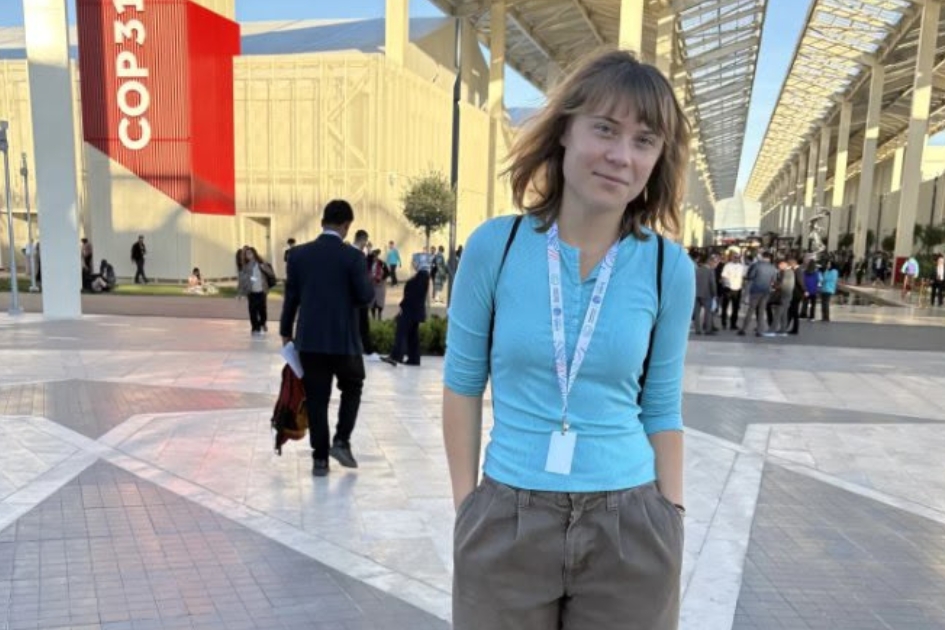
Swedish climate activist Greta Thunberg arrived at the COP31 UN Climate Change Conference in Antalya on Tuesday, warning that decisions made by world leaders on climate change are a matter of life and death for people already facing its consequences. Following her experience at COP26 in Glasgow, she explicitly shifted away from participating in official summits.
Her arrival drew considerable attention at the summit venue, where young climate advocates and other participants gathered to meet her, exchange views and take photographs.
Among those young voices were two students from Bangladesh’s coastal Satkhira district, Naushin Islam and Nur Ahmed, who are attending COP31 to highlight the rights of children in coastal communities, the impacts of climate change and the need for climate justice. Thunberg welcomed the two students at the conference venue and also met Sohanur Rahman, a Bangladeshi youth climate justice activist and Executive Coordinator of YouthNet Global.
She participated in demonstrations and spoke about the climate crisis, emphasising the urgency of the situation and highlighting the environmental impact of modern tech infrastructure such as data centres and artificial intelligence.
Thunberg criticised world leaders for failing to deliver climate action on the scale and at the speed required. She also questioned whether the annual UN climate negotiations were doing enough to address the escalating crisis, according to footage and accounts shared from the summit.
“We still have to fight,” she said, reiterating the need for sustained public pressure to push governments towards meaningful climate action.
Thunberg also joined civil society organisations and young activists in demonstrations connected to the climate summit. Campaigners used the protests to demand stronger political commitments and greater accountability from governments over their climate policies.
The participation of the two students brought the concerns of Bangladesh’s coastal communities to the international climate platform. For families in coastal areas such as Satkhira, climate change is already affecting livelihoods, access to essential services and household security. Their presence at COP31 was intended to ensure that the experiences and rights of children living with these impacts are heard in international climate discussions.
Her presence brought renewed attention to the role of grassroots movements and young people in challenging political leaders over the gap between climate promises and actual action.
Thunberg rose to international prominence through school climate strikes in Sweden and became one of the most recognisable voices of the global climate movement. She has repeatedly challenged governments over their failure to reduce greenhouse gas emissions and respond adequately to the climate crisis.
Her appearance in Antalya comes as COP31 faces difficult negotiations over climate finance, adaptation support, emissions reductions and the implementation of the Paris Agreement.
The summit opened on November 9 amid mounting concerns over extreme weather, rising global temperatures and the risk of exceeding the Paris Agreement’s 1.5°C warming threshold.
Developing countries are pressing wealthier nations to provide more accessible and predictable climate finance, particularly for adaptation and addressing climate-related loss and damage. Disagreements over funding responsibilities and the pace of the transition away from fossil fuels remain major challenges.
For Bangladesh and other climate-vulnerable countries, the participation of the two Satkhira students underscored that the issues being negotiated at COP31 extend beyond government delegations and conference rooms. Their presence highlighted the experiences of children already living with the consequences of climate change and their demand for greater attention to climate justice.
Thunberg’s intervention adds to growing pressure on governments to move beyond political declarations and deliver tangible results. For climate-vulnerable communities, the credibility of the negotiations will ultimately depend on whether commitments translate into action that protects lives and livelihoods.