

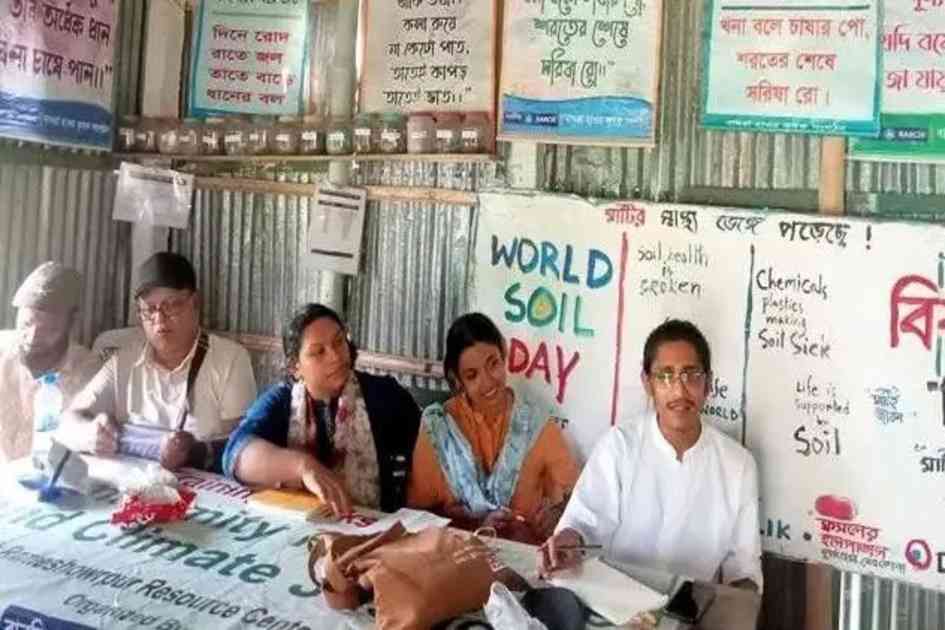



A farmer-led organisation in northern Bangladesh has introduced a “Crop Hospital” where cultivators bring diseased plants for diagnosis and receive advice on natural pest and disease management methods aimed at reducing reliance on chemical pesticides.
The initiative, based in Atpara upazila of Netrokona district, is operated by the Baghra Haor Farmers’ Association and provides farmers with guidance on identifying crop diseases and preparing locally made, environmentally friendly treatments.
“When farmers bring samples of affected crops, we identify the problem and suggest what kind of treatment is needed and how it can be prepared and applied,” said Abdul Wadud Khan, one of the organisers involved in managing the facility.
He said trained members of the farmers’ organisation provide advisory services covering areas such as pest management, crop varieties, seed preservation and organic farming practices.
The local Department of Agricultural Extension has acknowledged the initiative. Mohammad Amirul Islam, deputy director of the Netrokona district office, said organisers have been advised to ensure “authentic and reliable” technical guidance for farmers.
The project is also supported by the non-governmental organisation Barcik. Its regional coordinator, Ahidur Rahman, said vegetable growers are among the most frequent visitors, seeking advice on plant health and pest control.
According to him, the service focuses on five key areas: seed preservation, pest management, crop disease identification, organic input use and variety selection. He added that the approach promotes environmentally sustainable farming practices that help maintain soil health.
The concept emerged around 2010-11 when members of the farmers’ group began discussing recurring pest and disease problems affecting local agriculture. Over time, the idea evolved into what they now call a “Crop Hospital”.
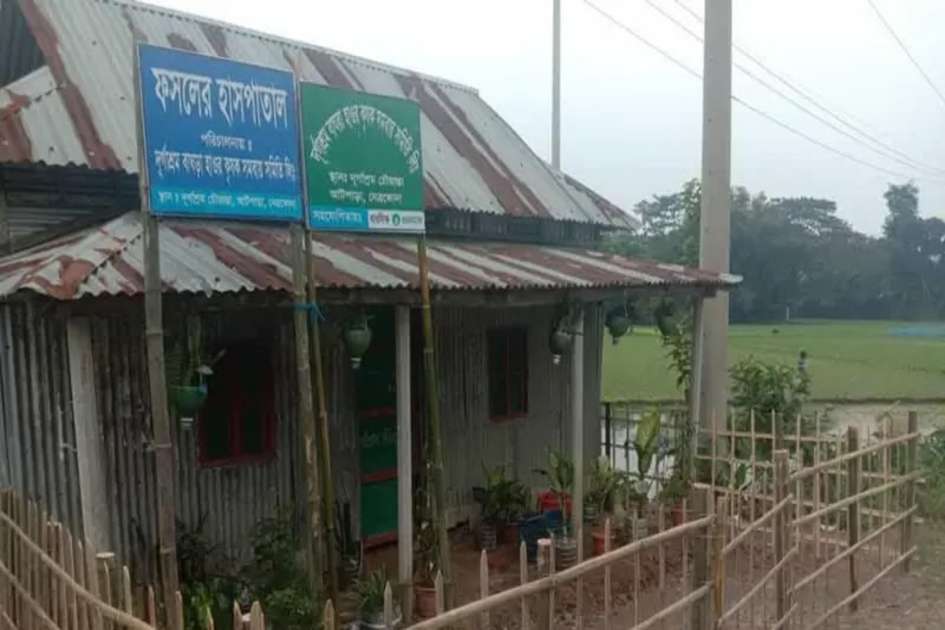
“We realised that if there can be hospitals for humans and animals, there can also be a system for crops,” Khan said, adding that the aim was to demonstrate that productive farming is possible with reduced dependence on chemical fertilisers and pesticides.
One of the participants, Said Ahmed Khan Bacchu, said trained farmers now provide peer-to-peer advisory services and also promote organic inputs and seed conservation alongside pest control measures.
The initiative reflects a broader shift in parts of rural Bangladesh where farmer-led extension models are emerging alongside formal agricultural advisory systems. Similar approaches are being observed in other South Asian regions where communities are experimenting with low-chemical and climate-resilient farming practices.
Agricultural experts have long warned that excessive use of fertilisers and pesticides can degrade soil fertility, harm beneficial insects and pose risks to human health if misused. In Bangladesh, authorities have repeatedly urged farmers to follow recommended doses and safe application practices.
Organisers of the Crop Hospital say their goal is to scale up awareness of sustainable farming methods, demonstrating that low-chemical or organic approaches can still support productive harvests, particularly at the local level.
Climate advocate Sohanur Rahman, executive coordinator of YouthNet Global, said such community-led initiatives highlight the potential of locally driven agricultural innovation in strengthening climate resilience.
“When farmers themselves build knowledge systems like crop hospitals, it bridges the gap between traditional practice and scientific understanding and strengthens adaptive capacity at the grassroots level,” he said.




