

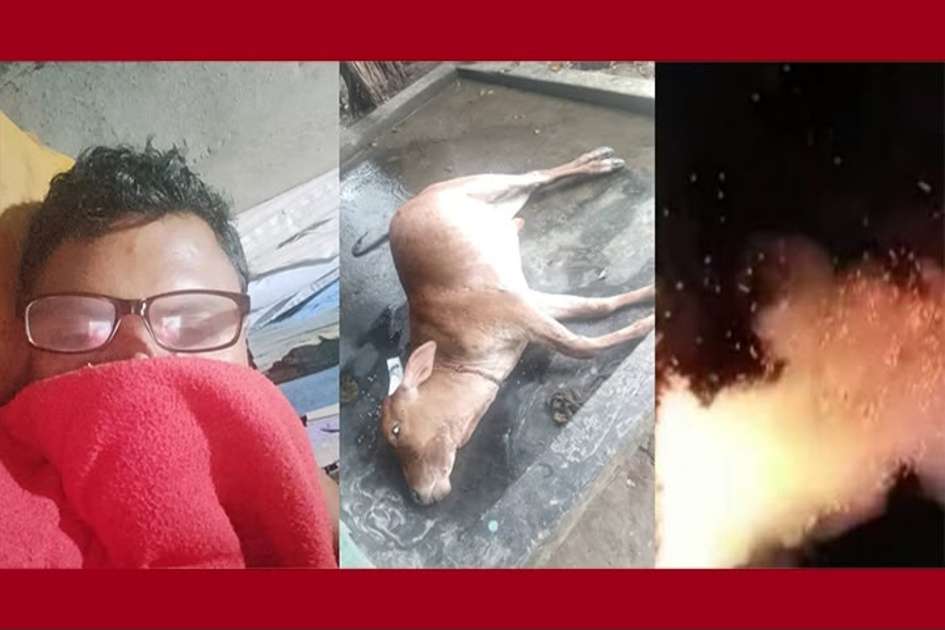



From Dhunat to Gafargaon and areas around Dhaka, unsafe battery recycling has renewed calls for stricter enforcement, regular inspections and safer recycling systems.
Authorities and local communities have taken action against unsafe lead smelting and battery recycling operations in Bangladesh, with a mobile court shutting down an unauthorized facility in Bogura while residents in Mymensingh continue demanding permanent closure of another plant they say is threatening the environment and community well-being.
The developments come as Bangladesh moves to strengthen its national response to lead pollution. On Monday, Environment Minister Abdul Awal Mintoo, MP, presided over a review meeting on the draft “National Strategy for Lead-Free Bangladesh and Multi-Year Action Plan (2025-2035)”, held in partnership with UNICEF, focusing on combating lead pollution, protecting public health, and promoting sustainable development.
The draft strategy aims to strengthen Bangladesh’s response to lead contamination through improved policy measures, awareness, regulatory action, and coordinated efforts to reduce exposure, particularly among children and vulnerable communities.
However, recent incidents in Bogura and Mymensingh highlight the challenges of translating national commitments into effective local enforcement and preventing unsafe industrial practices that continue to expose communities to environmental risks.
Informal used lead-acid battery recycling remains a major environmental concern in Bangladesh, where poorly regulated facilities can release toxic substances and expose workers and nearby communities to contamination. Unsafe handling of lead-containing materials can pollute air, soil, and water, affecting ecosystems, agriculture, and public health.
In Shakatia area of Bogura’s Dhunat upazila, a mobile court operation conducted with assistance from the Department of Environment shut down an unauthorized lead smelting facility where used lead-acid batteries were reportedly being burned and processed to extract lead without the necessary environmental clearance and safety measures.
Unsafe battery recycling and lead processing can release lead particles, toxic fumes, acid residues, and other hazardous substances that may contaminate surrounding areas, creating risks for ecosystems, agricultural production, and community health.
During the operation, the mobile court fined the factory owner, Shafiqul Islam, Tk 100,000 (approximately USD 850). Authorities ordered an immediate halt to all activities and sealed the premises.
Environmental officials and local administration representatives said enforcement actions against unlicensed and environmentally harmful industrial operations will continue to protect communities and maintain environmental integrity.
Meanwhile, residents of Munsipara in Dakhshin Tangab Union of Gafargaon upazila in Mymensingh have raised serious concerns over the reopening of an unauthorized battery recycling and lead smelting facility shortly after administrative intervention temporarily stopped its operation.
According to local residents, the plant was closed following appeals to Member of Parliament Mohammed Aktaruzzaman Bachchu, but activities reportedly resumed within two to three days. The reopening has caused frustration among community members, who are demanding stronger action and a permanent solution.
Residents allege that the facility releases hazardous smoke and chemical waste, affecting local air quality, soil, vegetation, and agricultural areas. They fear that continued exposure to emissions from unsafe lead processing may expose communities to substances associated with serious health risks, particularly vulnerable groups such as children and pregnant women.
Local communities have also expressed concerns that toxic residues from battery recycling activities may damage crops, trees, and farmland, threatening local livelihoods.
Following the reported reopening of the facility, residents have questioned how the plant resumed operations after administrative action and whether proper monitoring and enforcement measures were carried out.
Residents are calling for regular inspections, transparent enforcement, and stronger oversight to ensure the facility does not resume operations again if it is found to be operating without required approvals.
A petition signed by 105 local residents has been prepared, calling for an impartial investigation, accountability for those responsible, and strict legal action if the facility is found to be operating without required environmental clearance.
“We want a permanent solution, not temporary closures. Our environment and the health of future generations must be protected,” said Abdur Rahim, a local resident.
Residents are urging relevant government authorities, environmental agencies, and human rights organizations to intervene and ensure that public health and environmental safety are protected.
Environmental experts and activists warn that unsafe lead smelting and battery recycling can create long-term contamination risks by allowing lead and other toxic substances to enter air, soil, water, and the food chain. Lead exposure is particularly concerning because it can accumulate in the body and create long-term health impacts, especially among children.
They stress that regular monitoring, responsible recycling systems, proper enforcement, and transparent oversight are essential to prevent further harm.
Concerns Rise Over Unregulated Lead Smelting Furnaces Around Dhaka
Concerns are growing over unregulated lead smelting activities not only in Bogura and Mymensingh but also in areas surrounding Dhaka. Reports indicate that old batteries are being melted in open furnaces at several locations to extract lead, creating potential risks for nearby communities, the environment, and public health.
In Kalampur area of Dhamrai, four lead smelting furnaces are reportedly operating inside the garden house of Kamal Majumdar.
In Savar, two furnaces have reportedly been found inside an abandoned brick kiln near Namabazar, while another four furnaces near the Aminbazar waste dumping area are allegedly releasing toxic smoke. In addition, eight furnaces have reportedly been identified at a brick kiln south of Aowal Market in Vakurta Union.
In Gazipur’s Konabari area, another eight open furnaces near a waste disposal site beside the Dhaka-Tangail highway are reportedly operating regularly for lead smelting.
Environmental activists say that along with shutting down such open-furnace lead smelting operations near residential areas, regular monitoring, stronger enforcement of environmental regulations, and the development of safe and sustainable recycling systems are urgently needed.
YouthNet Global Executive Coordinator Sohanur Rahman said addressing lead pollution requires stronger coordination between policy commitments, enforcement agencies, and communities affected by environmental contamination.
Sohanur told, “Bangladesh’s journey toward a Lead-Free future must go beyond developing strategies. We need effective implementation, stronger monitoring of hazardous industries, and meaningful engagement with communities who are directly exposed to pollution.” He added, Protecting children, safeguarding public health, and ensuring environmental justice must remain at the center of our efforts,” he concluded.
As Bangladesh moves forward with its Lead-Free Bangladesh strategy, experts and communities say stronger enforcement, sustainable recycling practices, and effective local implementation will be critical to turning policy commitments into safer environments and a healthier future for all.




