

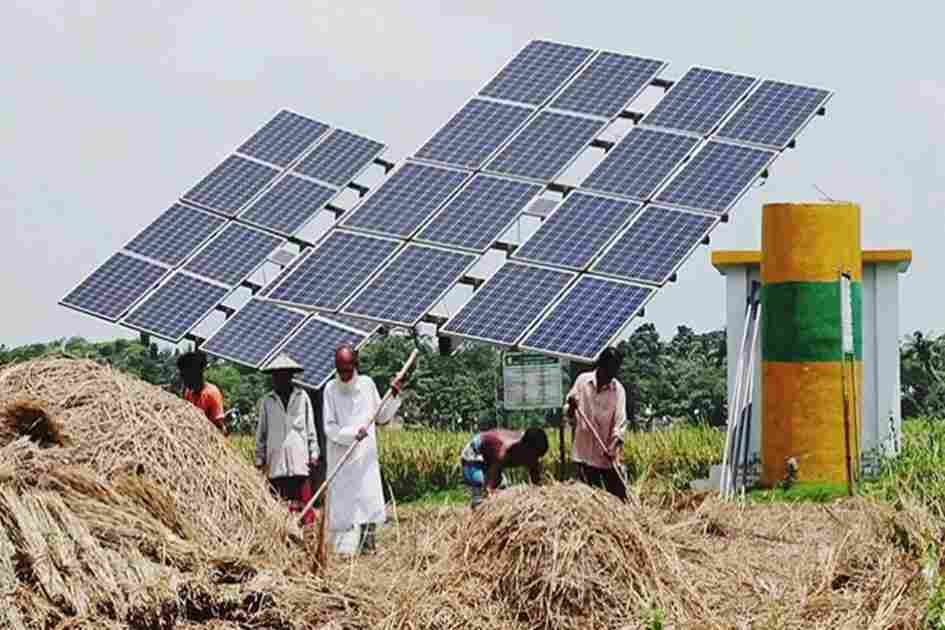



Bangladesh’s acclaimed off-grid solar scheme is spawning a lead pollution crisis as old batteries fail, enter informal smelting and expose millions especially children to toxic fumes, contaminated soil and water nationwide today.
Bangladesh’s internationally praised off-grid solar programme is facing a serious backlash as ageing systems, failing batteries and poor-quality components fuel a growing public health and environmental crisis, exposing millions, particularly children, to toxic lead pollution.
Over the past two decades, the solar home system programme has brought electricity to around 18 to 20 million rural people, earning global recognition as a model for clean energy access. Between 2003 and 2018, more than 4 million systems were installed nationwide, mainly in remote villages, char areas and coastal regions beyond the reach of the national grid.
Today, many of those systems are ageing and failing.
As Bangladesh accelerates its renewable energy transition, experts warn that the legacy of neglected solar home systems must be addressed urgently. Without safe recycling, accountability and long-term planning, the promise of clean energy risks leaving behind a toxic shadow that threatens future generations. Infrastructure Development Company Limited (IDCOL) has announced plans to strengthen quality control and gradually shift to lithium-ion batteries for new installations, while the government prioritises solar mini-grids and rooftop systems. Discussions are also underway to establish a special fund to rehabilitate ageing solar home systems.
Environment, Forest and Climate Change Adviser Syeda Rizwana Hasan described lead and heavy metal pollution as a silent crisis and reaffirmed the government’s commitment to work with all stakeholders to eliminate lead poisoning by 2040.
Battery failures and broken promises
Battery malfunction has emerged as the most common complaint among users. Local technicians and households report that low-quality batteries and mismatched inverters are causing premature breakdowns, often within three to four years.
“We thought it was a one-time investment,” said Abu Taleb from Char Fasson in Bhola district. “Now every two or three years we have to replace batteries. For people like us, it is unbearable.”
Another resident, Mahmudur Rahman, said his system became useless after the battery failed and the supplier’s office disappeared, leaving him without warranty support.
A survey by the Centre for Policy Dialogue and national daily Samakal across 40 communities found that 77 per cent of solar home system failures were caused by battery problems, with additional issues linked to substandard inverters. Although IDCOL standards require batteries to last at least five years with warranty replacement, many partner organisations have exited the market, leaving rural households without recourse.
From clean energy to toxic pollution
As batteries fail, many enter informal recycling chains. Across districts such as Manikganj, Gopalganj and Madaripur, discarded lead-acid batteries are burned in illegal open-air smelting operations to extract lead.
Thick black smoke often rises at night from makeshift furnaces near rivers and farmland. Toxic fumes contaminate air, soil and water, while acidic wastewater flows into croplands and waterways. Residents report crop damage, livestock deaths and worsening health conditions.
“Lead pollution from old batteries and informal recycling is a silent environmental and public health emergency,” said Dr Md Kamruzzaman, Director General of the Department of Environment. “It harms children’s development, threatens adult health and contaminates our rivers, soil and food supply. Urgent action is needed.”
Operators admit that one tonne of discarded batteries can yield around 600 kilograms of lead, sold to industrial buyers despite the severe environmental and health risks.
A national health emergency
Bangladesh now ranks among the top four most lead-contaminated countries globally. An estimated 36 million children, around 60 per cent, have elevated blood lead levels. A joint study by icddr,b and Stanford University found that 98 per cent of 500 children aged two to four in Dhaka had concerning levels of lead in their blood.
Even low-level exposure can permanently impair children’s intelligence and behaviour. In adults, lead exposure increases the risk of heart disease, while pregnant women face higher risks of miscarriage and stillbirth.
The World Bank estimates that lead pollution costs Bangladesh about 28.6 billion dollars annually, equivalent to 6 to 9 per cent of GDP, through lost productivity, healthcare costs and long-term cognitive damage.
Toward a lead-free future
Civil society and youth groups are calling for urgent reforms and accountability.
“Bangladesh showed the world how off-grid solar could transform rural lives,” said Sohanur Rahman, Executive Coordinator of YouthNet Global. “But when systems fail and toxic batteries are dumped or burned, the burden falls on children, young people and marginalised communities. Clean energy cannot come at the cost of public health.”
Experts say the crisis reflects a failure to integrate environmental safeguards and end-of-life management into renewable energy initiatives.
“Solar energy could have been a major alternative amid gas, coal and oil shortages,” said energy expert Professor M Tamim. “Instead, we failed to ensure durability, accountability and safe end-of-life management.”
Bangladesh has set an ambitious target to eliminate childhood lead poisoning by 2040. YouthNet Global, Pure Earth Bangladesh, UNICEF and other partners are supporting a multi-sectoral action plan targeting major sources of lead exposure, including battery recycling, paints, cookware and adulterated turmeric.
Dr Farhina Ahmed, Secretary of the Ministry of Environment, Forest and Climate Change, said the government is finalising a National Strategy to address lead contamination. Once implemented, it will protect children, workers and vulnerable groups and mark a milestone toward a safe, healthy and sustainable future.
Energy Adviser Faozul Kabir Khan said, “We are learning from the failures of earlier solar home systems. Now we are focusing on quality standards, specifying what type of panels and batteries must be used. This is essential to restore public confidence in solar energy.”




