




For generations, Manta families have relied on rivers for survival, but climate pressures and exclusion from essential services are deepening their vulnerability and threatening cultural traditions.
Stakeholders have called for coordinated action to protect Bangladesh’s boat-dwelling Manta fisherfolk community as climate change, social exclusion and lack of access to basic services threaten their survival, livelihoods and cultural identity.
Living on boats along rivers in the southern regions of the country, many Manta families remain among the most marginalised river-dependent communities in Bangladesh. Displaced over generations by severe river erosion and climate change, they continue to face barriers to obtaining National Identity (NID) cards, land ownership, healthcare, education and government social safety-net programmes.
Community representatives said the lack of formal identity documents has left many Manta people unable to access essential public services, enrol children in education systems and benefit from government support programmes.
They also raised concerns that many Manta families struggle to survive during the government-imposed 22-day fishing ban, as some remain excluded from rice allocation programmes intended to support fishing communities during the restriction period.
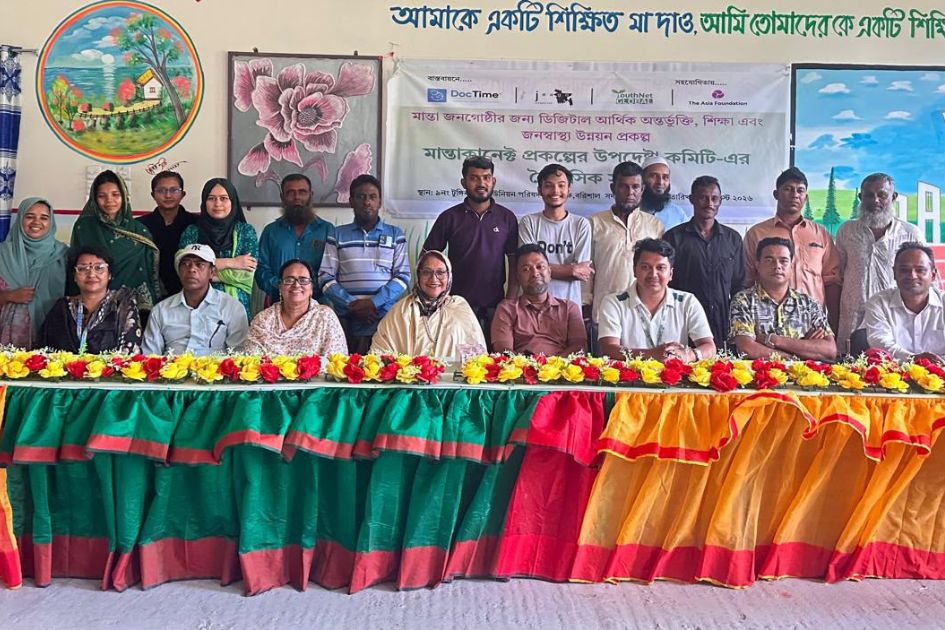
The concerns came to the fore at the quarterly advisory committee meeting of the MantaConnect Project held in the conference room of A R Khan School in Tungibaria Union of Barishal.
Implemented by YouthNet Global with support from The Asia Foundation, the project aims to improve access to healthcare, social protection, financial inclusion, essential public services and climate resilience support for the historically marginalised Manta population.
For generations, the Manta people have lived in close relationship with rivers, relying on fishing and traditional knowledge of waterways for survival. Their experience reflects generations of adaptation to changing river environments and their contribution to river-based ecosystems.
However, climate change and environmental degradation are now threatening the foundation of their way of life. Intensifying cyclones, rising salinity, river erosion, changing water patterns and declining fish stocks are reducing livelihood opportunities and increasing vulnerability among Manta families.
Participants at the meeting said the impacts are not limited to economic losses. The disappearance of fishing grounds, displacement from familiar waterways and decline of traditional practices are creating wider loss and damage, including non-economic losses such as erosion of cultural heritage, social networks, identity and connection to ancestral rivers.
“Earlier, the river provided everything we needed. But changing weather patterns, fewer fish and increasing disasters are making our traditional way of living more difficult every day,” said Nurbanu Begum, a Manta community representative.
They said frequent cyclones damage boats, fishing equipment and floating settlements, while salinity affects freshwater sources and aquatic ecosystems. Reduced fish availability has further increased economic pressure on families whose livelihoods depend on fishing.
The climate crisis has also created additional challenges for Manta women, who often face greater difficulties accessing healthcare, maintaining livelihoods and securing support after climate-related disasters.
Arifur Rahman Shuvo, General Secretary of YouthNet Global, chaired the meeting, while Nadirah Rahman, Chairman of Tungibaria Union Parishad and President of the MantaConnect Project advisory committee, attended as chief guest.
Members of the advisory committee, representatives of the Manta Development Committee, Union Parishad officials and Sajid Mahmud, Divisional Coordinator of YouthNet Global, were also present.
Highlighting a major achievement under the project, Nadirah Rahman said land had been arranged for a dedicated burial ground for the Manta community with government support, addressing a long-standing demand related to dignity and social recognition.
“Having a specific place for burial after death was a long-standing demand of the Manta community. Through various initiatives under the MantaConnect Project, we have been able to take effective steps in this regard,” she said.
She said the advisory committee would continue working to ensure equal access to services, social recognition and meaningful participation of the Manta people.
Jasim Sardar, President of the Manta Development Committee, called for stronger coordination among government agencies, local representatives and community organisations to address the interconnected social and climate challenges facing the river-dependent population.
Arifur said the Manta community should not be viewed only as beneficiaries of development initiatives but as rights holders with valuable knowledge and experience in adapting to river environments.
“The challenges faced by the Manta people are linked with climate change, social exclusion and limited access to essential services. Addressing these challenges requires collective action that recognises their rights, culture and contribution to society,” he said.
Through the MantaConnect Project, YouthNet Global has been connecting Manta families with healthcare services, social protection programmes, financial inclusion opportunities and awareness initiatives, while strengthening local leadership and climate resilience.
The meeting concluded with the adoption of a three-month action plan focusing on improving service delivery, strengthening institutional coordination and expanding social, economic and climate resilience support for the Manta community.
Stakeholders said the experience of the Manta people demonstrates why climate adaptation must go beyond infrastructure and include citizenship, social protection, cultural identity and recognition of the rights of communities living on the frontline of climate change.




