

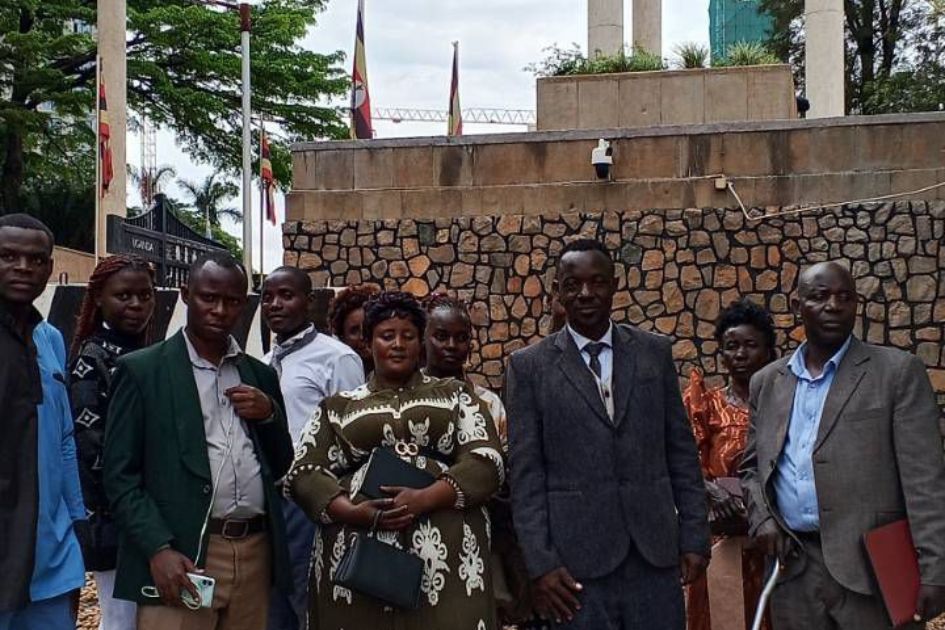



Activists in Uganda warn the sovereignty bill could harm rights, remittances and investment, urging a referendum and wider public consultation before Parliament proceeds with scrutiny.
Activists in Uganda’s Masaka region are calling for a national referendum on the proposed Protection of Sovereignty Bill 2026, arguing that the legislation could affect privacy rights, economic freedoms and diaspora participation in the country’s development.
The call was made during a stakeholder engagement meeting in Masaka aimed at sensitising citizens on the draft bill, which has already been tabled in Parliament and referred to the Committee on Defence and Internal Affairs and the Committee on Legal and Parliamentary Affairs for further scrutiny.
Social rights advocates said any law that could alter governance frameworks or restrict fundamental rights should be subjected to direct public approval.
“The ultimate power lies with the people. Where a law affects the basic structure of governance or restricts fundamental rights, a referendum should be considered,” said Alexander Lule, Uganda Law Society central region representative.
Lule said existing legislation, including the Anti-Money Laundering Act and the Anti-Terrorism Act, was already sufficient to address security threats, adding that the proposed bill risked duplicating legal provisions while raising human rights concerns.
He also raised concern over provisions that could classify Ugandans living abroad as “foreigners,” saying it could undermine constitutional citizenship rights and discourage diaspora investment.
“Diaspora remittances are a key pillar of the economy, outperforming many sectors including health and education. Any restrictions could affect livelihoods and discourage investment from Ugandans abroad,” he said.
Kayinga Muddu Yisto, coordinator of the Community Transformation Network (COTFONE), said the bill should be withdrawn, describing it as unnecessary legislation that could undermine social and economic rights.
He warned that tighter controls on foreign-linked funding could discourage foreign direct investment and remittance inflows, potentially increasing pressure on domestic taxation.
“We urge lawmakers to fully exercise their oversight role and consult widely with citizens. If the bill proceeds, it should be subjected to broader public engagement, including consideration of a referendum,” he said.
Kalungu district councillor Hajj Sowedi Mayanja said the proposal risked discouraging legitimate financial inflows into the country, including development funding for health, education and social services.
He said Uganda already has institutions such as the Financial Intelligence Authority and laws on money laundering that can monitor suspicious transactions without introducing additional restrictive legislation.
“We already have the legal and institutional framework to monitor financial flows. Ugandans are patriotic and do not need additional laws to demonstrate national loyalty,” he said.
Mayanja added that overly broad restrictions could affect Uganda’s efforts to achieve middle-income status by reducing investor confidence and external support.
The Protection of Sovereignty Bill 2026 was read for the first time on April 15 and seeks to provide for the protection of national sovereignty, regulate agents of foreign entities and establish a designated department responsible for registering and overseeing such actors.
It is currently under parliamentary committee review as lawmakers prepare detailed scrutiny and a report to the House.




