

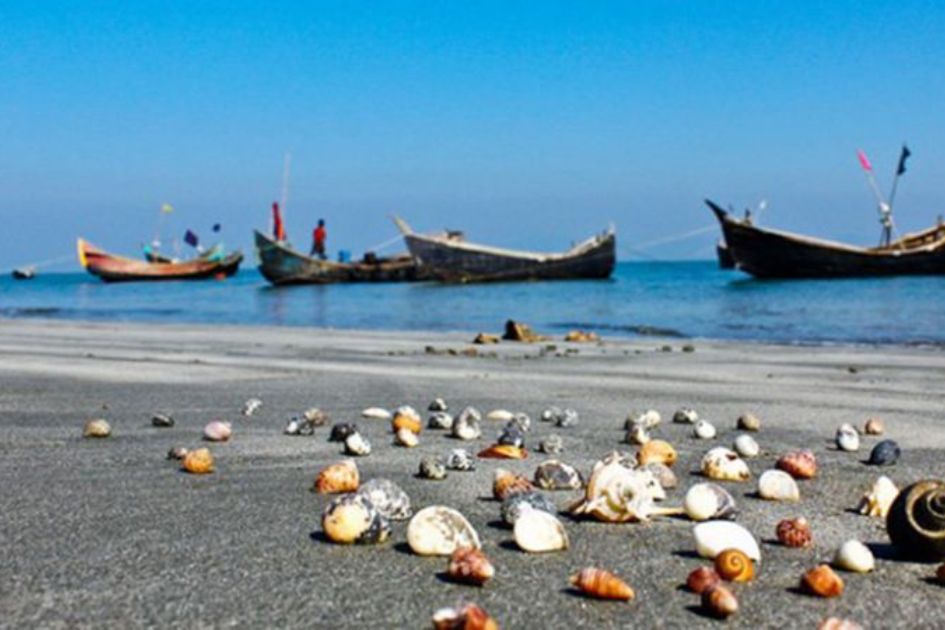

Bangladesh will maintain strict seasonal tourism limits on St. Martin’s Island to protect its fragile coral ecosystem, as tensions grow between conservation goals and local livelihoods dependent on visitor income.
Bangladesh will continue its restricted tourism policy for St. Martin’s Island, the country’s only coral-bearing marine ecosystem, as authorities say environmental recovery depends on sustained visitor controls.
Environment Minister Abdul Awal Mintu said the current framework, introduced in 2024 after years of inter-agency consultations, will remain in place to safeguard the island’s ecology.
Under the policy, tourist visits are limited to a maximum of 2,000 people per day from November to January, while access remains fully suspended from February to October to allow environmental regeneration.
Field assessments and scientific observations indicate improvements in biodiversity and ecosystem health following the nine-month annual closure period, the minister said.
“The island is getting the opportunity to naturally restore its environment, ecosystem and biodiversity during the extended closure period,” Mintu said in a written response to Deutsche Welle.
He warned that prolonged tourism activity beyond the regulated window could threaten the island’s long-term survival.
“If tourism exceeds three months, the existence of St. Martin’s Island will be at risk,” he said, describing it as a critical natural heritage site and a rare coral ecosystem in Bangladesh’s coastal waters.
Authorities argue that the controlled tourism model balances limited economic activity with urgent conservation needs in a climate-vulnerable marine environment.
However, the policy has sparked criticism from local residents and tourism-dependent businesses, many of whom rely heavily on seasonal visitor income. Community members say the extended closure period has significantly reduced earnings and increased economic hardship in the island economy.
St. Martin’s Island, located in the Bay of Bengal near the Myanmar border, is widely regarded as one of Bangladesh’s most ecologically sensitive coastal zones, with its coral reef system facing growing pressure from climate change, coastal erosion and human activity.
The debate continues over how to reconcile conservation priorities with livelihoods in one of the country’s most fragile island ecosystems.




