

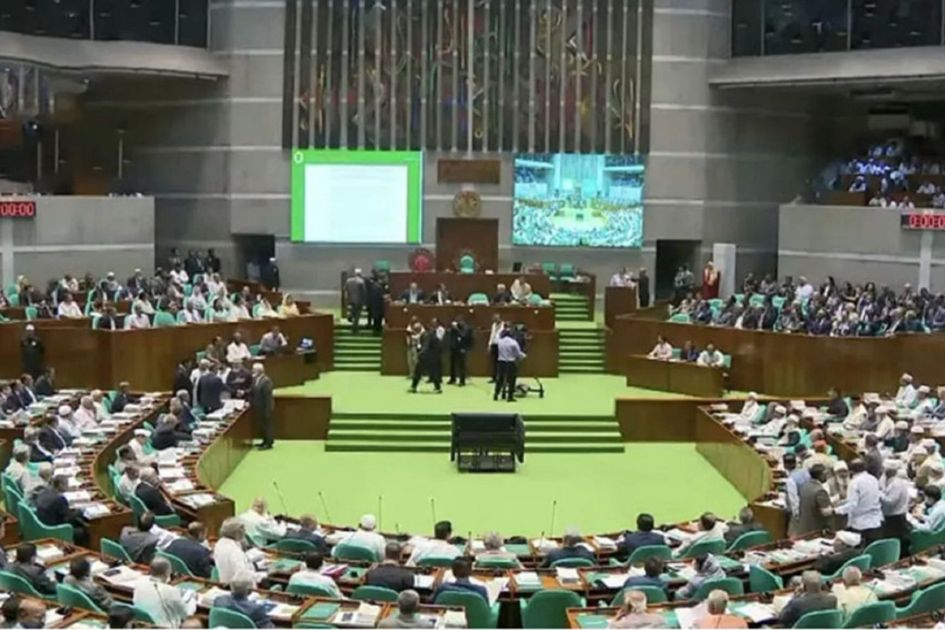



Bangladesh lawmakers unite across party lines to form a joint committee, aiming to address the worsening energy crisis through dialogue, policy review, and collaborative solutions to stabilize supply and prices.
Bangladesh’s parliament witnessed a rare display of political cooperation on Thursday as ruling and opposition parties agreed to form a 10-member joint committee to address the country’s ongoing energy crisis.
During the 20th day of the first session of the 13th National Parliament, lawmakers moved away from political confrontation and agreed on a structured dialogue mechanism aimed at resolving challenges in the power and energy sector.
Parliament Leader and Prime Minister Tarique Rahman signalled openness to opposition proposals and informed the House that a dedicated committee would be formed to review recommendations and incorporate viable solutions into government policy.
Following the announcement, Energy and Power Minister Iqbal Hasan Mahmud Tuku was named head of the government-side delegation. Other members from the ruling bloc include State Minister for Power, Energy and Mineral Resources Anindya Islam Amit, Whip A B M Ashraf Uddin (Nizam), MP Moinul Islam Khan Shanto from Manikganj-2 and MP Mia Nuruddin Ahmed Opu from Shariatpur-3.
The opposition was invited to nominate five members, a proposal welcomed by opposition leader and Jamaat-e-Islami chief Shafiqur Rahman, who confirmed that their list would be submitted shortly. The opposition later named five MPs, including Saiful Alam Khan (Dhaka-12), Nurul Islam (Chapainawabganj-3), Abdul Baten (Dhaka-16), Mohammad Abul Hasnat (Cumilla-4) and Mufti Maulana Abul Hasan (Sylhet-5).
Speaker Hafiz Uddin Ahmed said the initiative reflected the importance of bipartisan cooperation in addressing national challenges, adding that dialogue-driven policymaking could help overcome the energy crisis more effectively.
Sohanur Rahman, Executive Coordinator of YouthNet Global, said the parliamentary initiative should prioritise a just transition framework in addressing the energy crisis. “Energy policy decisions must ensure fairness for affected communities, protect livelihoods and align with climate justice and long-term sustainability,” he said.
Members of the new committee are expected to work jointly to identify policy gaps, evaluate opposition proposals and recommend actionable steps to stabilise Bangladesh’s energy sector amid ongoing supply and pricing pressures.




