




The Yerevan summit will deliver the first global assessment of progress under the Kunming-Montreal Global Biodiversity Framework, testing whether countries can close implementation gaps before 2030.
Finance, genetic resources and implementation support are expected to dominate as nations prepare for the first global review of the landmark nature pact.
South Africa will unveil its negotiating priorities for the upcoming UN Biodiversity Conference (COP17) on Monday, with biodiversity finance, fair benefit-sharing and stronger international cooperation set to feature prominently in its preparations.
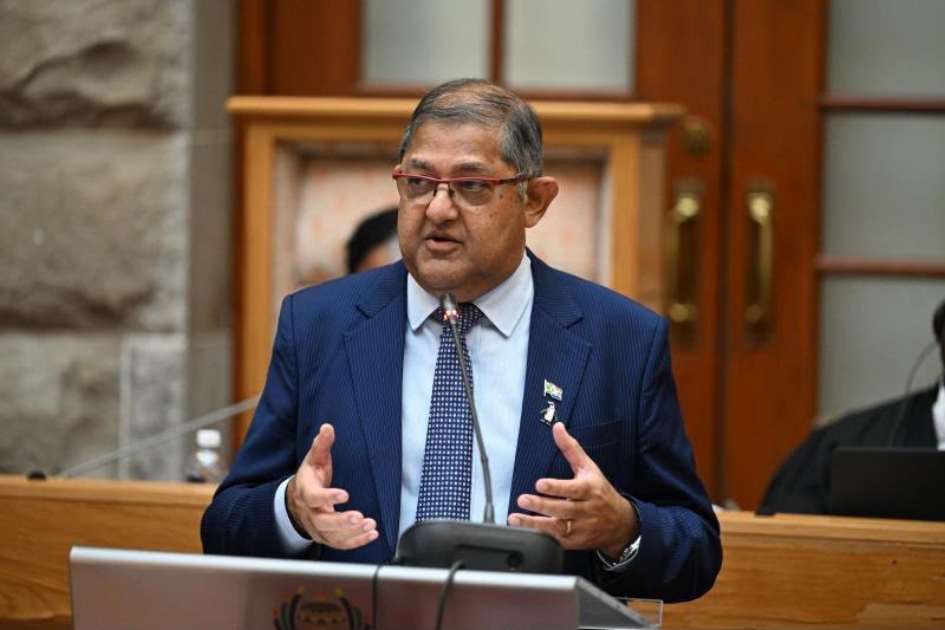
Deputy Minister of Forestry, Fisheries and the Environment Narend Singh will brief the media on October 12, ahead of the conference scheduled for October 19-30 in Yerevan, Armenia. The virtual briefing will run from 2pm to 3pm local time and will be followed by a question-and-answer session with journalists.
The briefing comes at a critical moment as governments prepare to assess collective progress on the Kunming-Montreal Global Biodiversity Framework, adopted in 2022 to halt and reverse nature loss by 2030.
“The conference will conduct the first global review of collective progress in implementing the Kunming-Montreal Global Biodiversity Framework,” the Department of Forestry, Fisheries and the Environment said in a statement issued on October 8.
Singh and senior officials are expected to update the media on South Africa’s implementation efforts and explain its stance on several contentious issues, including biodiversity financing, technical and institutional support, digital sequence information and access to genetic resources.
Digital sequence information, which refers to genetic data derived from biological resources, has emerged as a major issue in global biodiversity governance. Developing countries have increasingly pushed for arrangements to ensure that benefits from the use of genetic resources are shared fairly, particularly with the countries and communities that conserve biodiversity.
Finance is another flashpoint. In Yerevan, countries will examine whether existing commitments and implementation mechanisms are sufficient to meet agreed conservation targets.
The framework sets 23 targets for 2030, including conserving at least 30 per cent of the world’s land, inland waters, coastal areas and oceans and restoring degraded ecosystems. COP17, held under the theme “Taking Action for Nature”, will draw on national biodiversity reports and other assessments to identify achievements, gaps and areas requiring stronger cooperation.
For biodiversity-rich developing nations, the stakes are high as they try to balance ecosystem protection with economic development, sustainable resource management and equitable access to conservation finance.
The summit will bring together governments, scientists, Indigenous Peoples and civil society organisations. It will run alongside meetings of the parties to the Cartagena Protocol on Biosafety and the Nagoya Protocol on Access and Benefit-sharing, placing genetic resources and benefit-sharing firmly within the wider negotiations.
With fewer than four years left to meet the 2030 targets, COP17 is expected to test whether governments can turn ambitious pledges into measurable conservation results. South Africa’s briefing will offer an early signal of how one of Africa’s major economies intends to approach financing, technology and the fair sharing of biodiversity benefits.




