

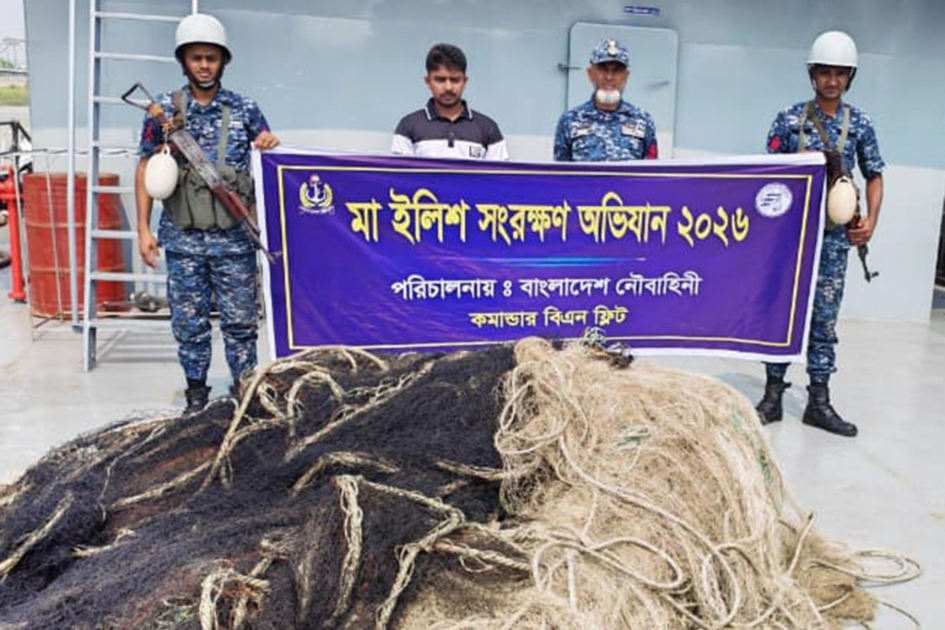



The 22-day campaign bans hilsa fishing and related trade as naval patrols target breeding grounds, inland rivers and maritime waters to curb illegal fishing during the peak spawning season.
The Bangladesh Navy has deployed ships and personnel across sea, coastal and river areas as a 22-day nationwide campaiThe 22-day campaign bans hilsa fishing and related trade as naval patrols target breeding grounds, inland rivers and maritime waters to curb illegal fishing during the peak spawning season.gn to protect spawning hilsa begins on October 8, the navy said.
The “Mother Hilsa Conservation Campaign-2026” will run until October 29 during the peak breeding season of the fish. During the campaign, the catching, transportation, storage, buying, selling and exchange of hilsa will be completely prohibited.
All fishing vessels in designated marine fishing areas have also been barred from catching hilsa and all other fish species during the campaign, according to the government directive.
The Navy said its ships and contingents have been deployed for patrol and monitoring operations in nine districts under the “In Aid to Civil Power” arrangement to enforce the government’s measures.
Continuous surveillance is also being conducted in the deep sea using Navy ships and maritime patrol aircraft to prevent the illegal entry of domestic and foreign fishing vessels and fishermen into the country’s waters.
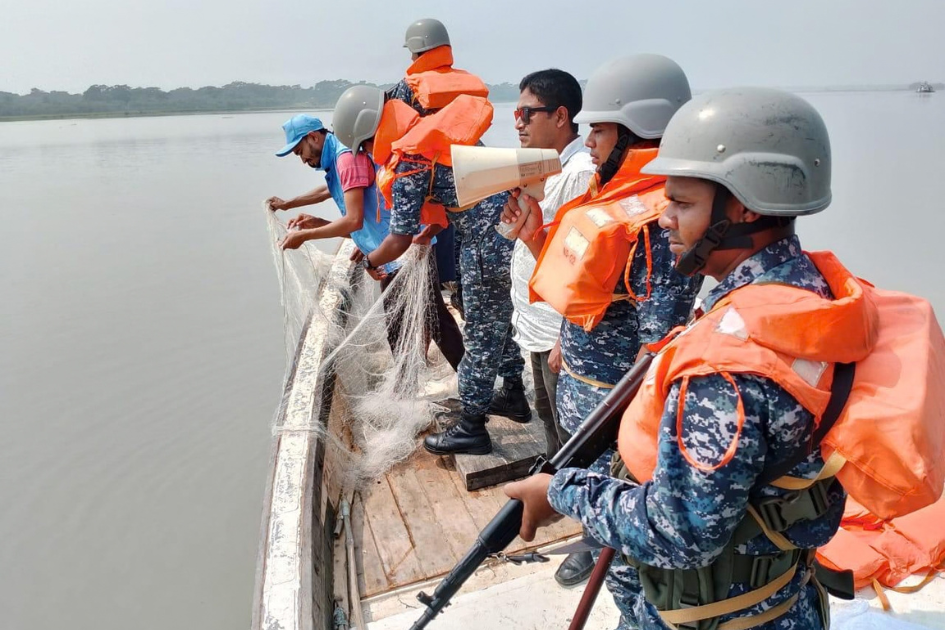
Ships, craft, boats and contingents from the Bangladesh Navy fleet have been deployed in the sea, coastal areas and the country’s inland rivers, including the main hilsa breeding grounds.
The Navy said it would work closely with local administrations, the armed forces, the Bangladesh Coast Guard, naval police and fisheries authorities to prevent illegal hilsa fishing and the entry of foreign fishing trawlers.
During the campaign, strict legal action will be taken against individuals and mechanised fishing vessels involved in hilsa fishing in violation of the restrictions. Awareness campaigns will also be conducted.
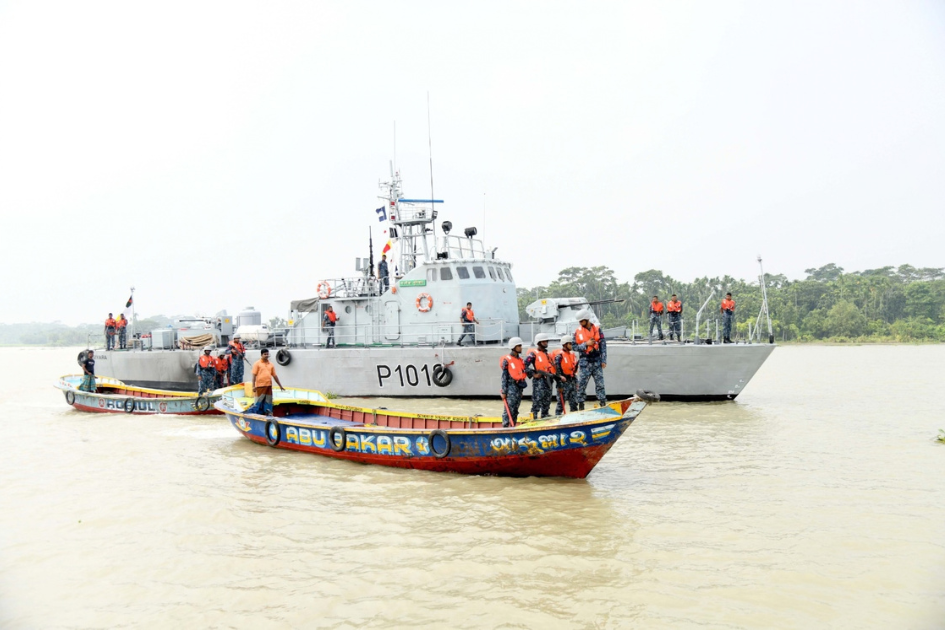
The Navy said it has regularly played a role in protecting hilsa breeding grounds, creating favourable conditions for uninterrupted breeding and conserving hilsa as a national economic resource.
It said it would continue working to ensure safe hilsa breeding in Bangladesh’s maritime waters and inland rivers and to protect the country’s fisheries resources.




