




The initiative aims to strengthen young people’s understanding of climate finance, adaptation and climate justice, helping bring youth perspectives into national policymaking and international negotiations.
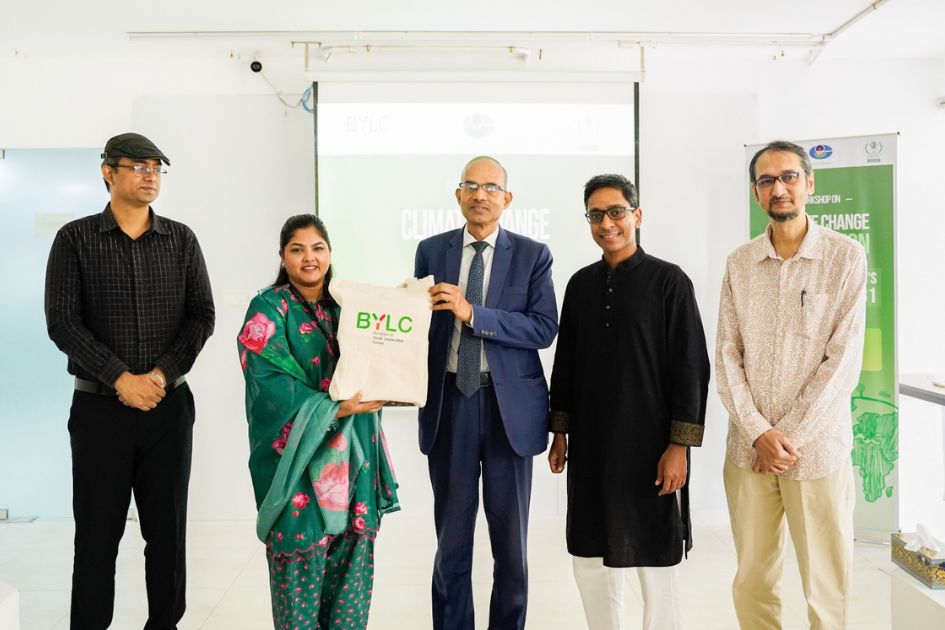
More than 50 young people committed to climate action took part in a workshop in Dhaka on Friday aimed at preparing them to understand and participate in international climate negotiations ahead of COP31 in Antalya, Türkiye, this November.
The workshop, titled Climate Change Negotiation, was organised by the Bangladesh Youth Leadership Center (BYLC), Bangladesh’s first leadership institute, with the Department of Environment (DoE) under the Ministry of Environment, Forest and Climate Change and the Alliance for Sustainable Development Foundation (ASDF). It was held at BYLC headquarters in Dhaka.
Some of the participants will attend COP31.
Bangladesh is one of the countries most vulnerable to climate change, with rising seas, stronger cyclones, floods and extreme heat already threatening lives and livelihoods across the country, organisers said.
The workshop focused on the need for young people, who will live longest with the impacts of climate change, to understand how global negotiations work, where emissions come from and how the world is responding.
Sessions covered the UNFCCC process, the Paris Agreement, Nationally Determined Contributions (NDCs), climate finance, adaptation, loss and damage and leadership for climate justice. Participants also practised negotiation strategies and discussed climate challenges facing Bangladesh.
Dr. Fazle Rabbi Sadeque Ahmed, Adviser to the Climate Change and Disaster Management Division at the Center for Environmental and Geographic Information Services (CEGIS), was the chief guest.
“Study past COP negotiations to understand countries’ priorities, compromises and outcomes. These lessons are vital to negotiating a more just and resilient future for Bangladesh,” he said.
Mirza Shawkat Ali, Director (Climate Change and International Convention) at the Department of Environment, said young negotiators needed to develop skills in negotiation.
“Young people must learn the art of climate negotiation,” he said. “Meaningful change does not come from raising our voices alone. It comes from listening, building common ground and finding solutions that work for everyone.”
Ejaj Ahmad, Founder and Executive Chairperson of BYLC, said climate literacy was essential for young people in Bangladesh.
“For a country as climate vulnerable as Bangladesh, climate literacy is no longer optional. Every young Bangladeshi must understand climate science, where emissions come from, how we can reduce them, how we must adapt and how climate finance works. Decisions made at global negotiations will shape our youth’s lives for decades. They need the knowledge and confidence to influence those decisions. Building this capacity is about long term thinking. We are preparing a generation that will lead Bangladesh through the climate challenges of this century,” he said.
The sessions were facilitated by senior government officials and climate experts, including Md Ziaul Haque, Additional Director General (PRL) at the Department of Environment; Md. Yusuf Mehedi, Assistant Director at the Bangladesh Climate Change Trust under the Ministry of Environment, Forest and Climate Change; and Md. Mahbub Hasan, Founder and Executive Director of ASDF.
BYLC and its partners aim to build lasting climate capacity among young Bangladeshis and bring their perspectives into national climate policymaking. Their goal is to make Bangladesh’s representation at COP31 and beyond more informed and inclusive.




