


Switzerland is seeking to close gaps in energy infrastructure security as military capacity remains limited, leaving companies responsible for protecting facilities against emerging threats.
The Swiss government is preparing new legal requirements for operators of critical energy infrastructure, requiring them to strengthen protection against sabotage and drone attacks as the armed forces cannot defend all facilities.
The Swiss Federal Office of Energy (SFOE) is drafting a legal framework that would oblige companies in the energy sector to introduce safeguards against physical and electromagnetic threats, the agency told the Swiss News Agency Keystone-SDA on Monday in response to an enquiry.
The move comes as Switzerland currently has no additional legal provisions specifically governing the physical protection of energy infrastructure.
The government identifies sabotage, drone attacks, rocket-propelled grenades and arson as the main threats to nuclear power stations and dams. Swiss newspaper Blick was the first to report on the planned measures.
The SFOE said the proposed framework aims to address gaps in existing legislation governing the protection of critical energy infrastructure. However, it would not give private operators additional powers, as the authority to use force remains exclusively with the relevant state authorities.
Under the proposed arrangements, operators could strengthen buildings, install sensors and protective nets, and maintain stocks of spare parts.
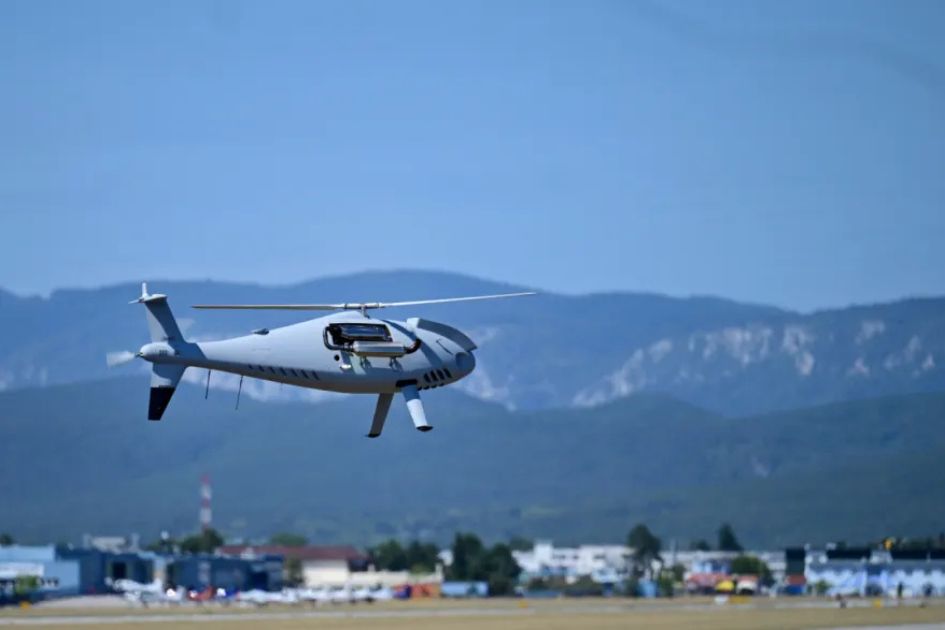
However, they would not be authorised to shoot down suspicious flying objects or detain suspected individuals. At present, employees who spot a drone can only alert the police, which often arrives after the aircraft has already left the area.
The limitations have prompted parliamentarians to call for changes to the law. They want electricity suppliers to be allowed to deploy interception drones or jamming devices during emergencies.
The defence ministry has previously rejected expectations that the Swiss Armed Forces would be able to protect every power facility against aerial threats.
In future, the military is expected to have the capacity to defend an area such as the Mittelland, as well as individual sites, against aerial attacks for weeks at a time.
However, the government acknowledged in its defence guidelines published in May 2026 that protecting every electricity supply facility to the same high standard simultaneously would exceed the resources and operational capacity of the armed forces.
“Simultaneously protecting all electricity supply sites to the same high standard of protection will not be possible with the resources and other tasks of the Swiss Armed Forces,” the government said.
It therefore placed primary responsibility for protecting the facilities on their operators.
However, questions over which authorities have jurisdiction during incidents below the threshold of war remain unresolved. The Security Committee of the House of Representatives has called for the establishment of a national reporting centre for drone sightings.