

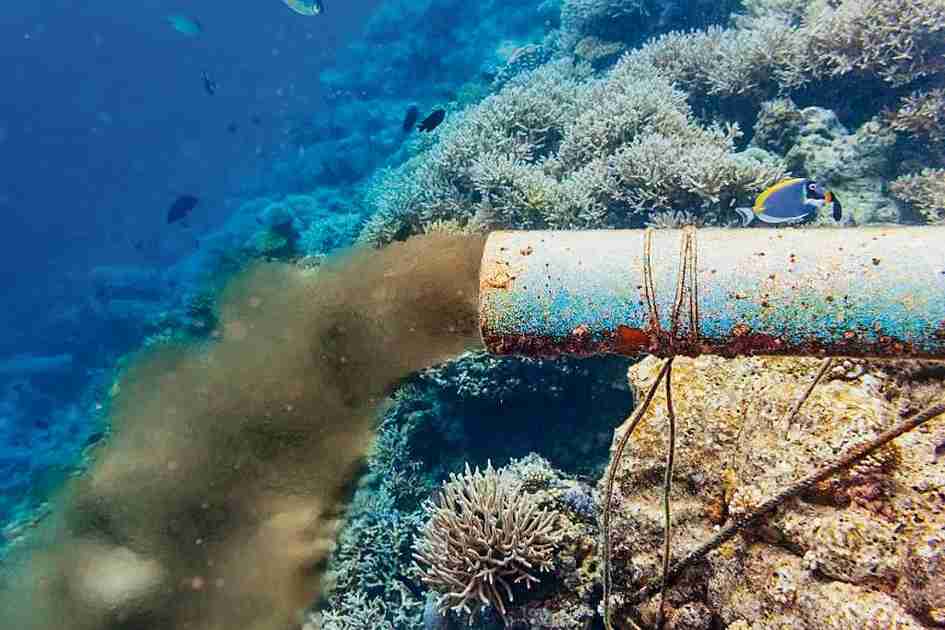



India’s environment ministry has proposed easing coastal zone rules to allow storage of LAB, N-Paraffin and CBFS, reversing earlier restrictions over pollution, fire and ecosystem risks.
The Ministry of Environment, Forest and Climate Change (MoEFCC) has proposed lifting restrictions on the handling and storage of certain hazardous chemicals, including Linear Alkyl Benzene (LAB), N-Paraffin and Carbon Black Feedstock (CBFS), within Coastal Regulation Zone (CRZ) areas.
The move would mark a significant shift from the CRZ Notification of 2019, which prohibited the receipt, handling and storage of these substances because of their potential environmental and safety risks.
To implement the proposal, the ministry will need to amend provisions of the 2019 Coastal Regulation Zone Notification governing mainland coastal areas, as well as the Island Coastal Regulation Zone (ICRZ) regulations that apply to island territories such as the Andaman and Nicobar Islands and Lakshadweep.
Under the existing 2019 rules, LAB, N-Paraffin and CBFS were categorised as hazardous or petroleum-derived chemicals due to concerns over marine pollution, fire hazards, groundwater contamination and ecological damage to sensitive coastal ecosystems.
According to a draft notification issued by the Central Government, several State Coastal Zone Management Authorities sought permission to allow the receipt and storage of the three chemicals within CRZ areas. The matter was subsequently referred to the relevant Expert Appraisal Committee (EAC) for examination.
After reviewing the proposal, the EAC concluded that the petroleum products could be added to the approved list under Annexure-II of the CRZ Notification, 2019. The annexure currently permits the storage of specific substances including crude oil, liquefied petroleum gas (LPG), liquefied natural gas (LNG), methanol, paraxylene, naphtha, bitumen and selected fertiliser raw materials.
The committee later recommended allowing the receipt and storage of LAB, N-Paraffin and CBFS in CRZ areas.
The proposal follows a reassessment by the National Coastal Zone Management Authority (NCZMA), which had previously classified the three substances as highly hazardous. Upon review, the authority concluded that LAB, N-Paraffin and CBFS are less hazardous than several substances already permitted in coastal zones.
During its 48th meeting held on September 26, 2025, the NCZMA examined the issue and, after detailed deliberations, unanimously recommended allowing the receipt and storage of LAB, N-Paraffin and CBFS within CRZ areas.
This article is republished from The New Indian express.




