

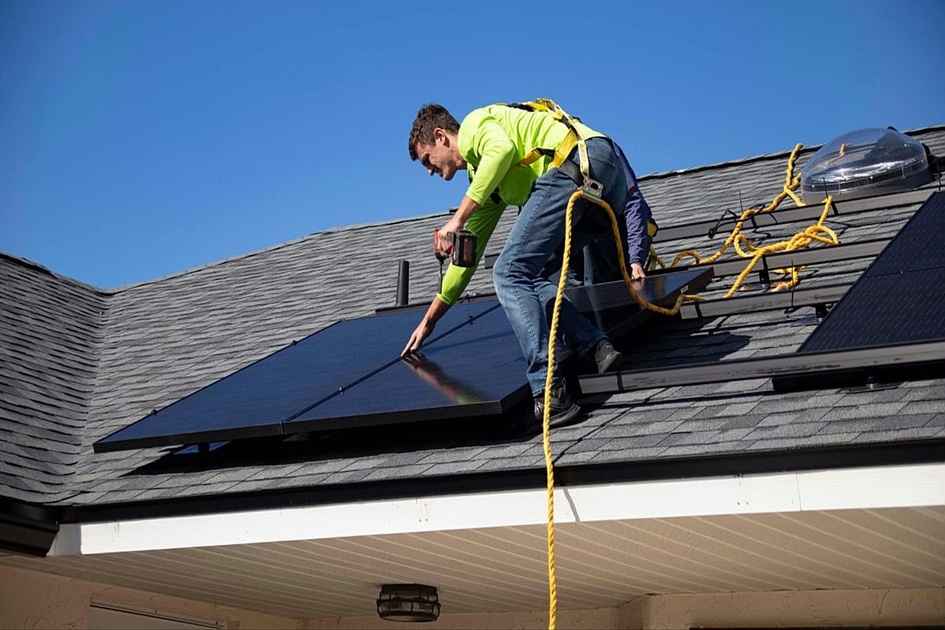



Driven by rooftop systems, solar farms and clean energy policies, Germany’s solar expansion underscores how renewable deployment can strengthen energy security and support climate goals.
Germany generated more electricity from solar power in the first half of 2026 than some countries produce from major renewable sources, marking another milestone in Europe’s transition toward a cleaner and more resilient energy system.
According to an analysis by the Fraunhofer Institute for Solar Energy Systems (ISE), Germany’s installed solar capacity has climbed to around 124.9 gigawatts, rising from approximately 118 gigawatts at the beginning of 2026.
The country generated an estimated 43.2 terawatt hours (TWh) of solar electricity during the first half of 2026, according to reports from PV Tech. Solar power accounted for an estimated 18.2 percent of Germany’s total electricity generation during the period, representing a significant increase compared with the same period last year.
The latest figures highlight Germany’s accelerating shift toward renewable energy as the country seeks to reduce fossil fuel dependence, strengthen energy security and advance its climate commitments.
The expansion has been driven by a combination of large scale ground mounted solar farms and millions of rooftop solar installations, which are increasingly becoming a central part of Germany’s electricity system.
The growth has been supported by long term renewable energy policies, incentives for rooftop installations and rising public and private investment in clean power infrastructure.
Energy analysts say the rise of solar power demonstrates how rapid renewable deployment can reshape national energy systems while delivering wider environmental and economic benefits.
Beyond increasing clean electricity generation, the growth of solar energy is expected to contribute to improved air quality, lower greenhouse gas emissions and greater energy independence by reducing reliance on imported fossil fuels.
Germany’s solar expansion also reflects the growing importance of distributed renewable energy, where households, businesses and communities contribute directly to the energy transition through rooftop solar systems.
The country’s progress offers a broader lesson for nations pursuing clean energy pathways: large scale transformation can emerge through a combination of ambitious policies, technological innovation and millions of individual actions.
As countries worldwide face rising energy costs, geopolitical uncertainty and climate risks, Germany’s solar expansion demonstrates that renewable energy growth can move from ambition to reality when supported by policy, investment and public participation.
Germany’s experience shows that rapid renewable expansion can strengthen energy security while supporting climate goals, offering lessons for countries seeking to reduce dependence on imported fossil fuels and build a more sustainable energy future.
Sources: Fraunhofer Institute for Solar Energy Systems (ISE), PV Tech




