

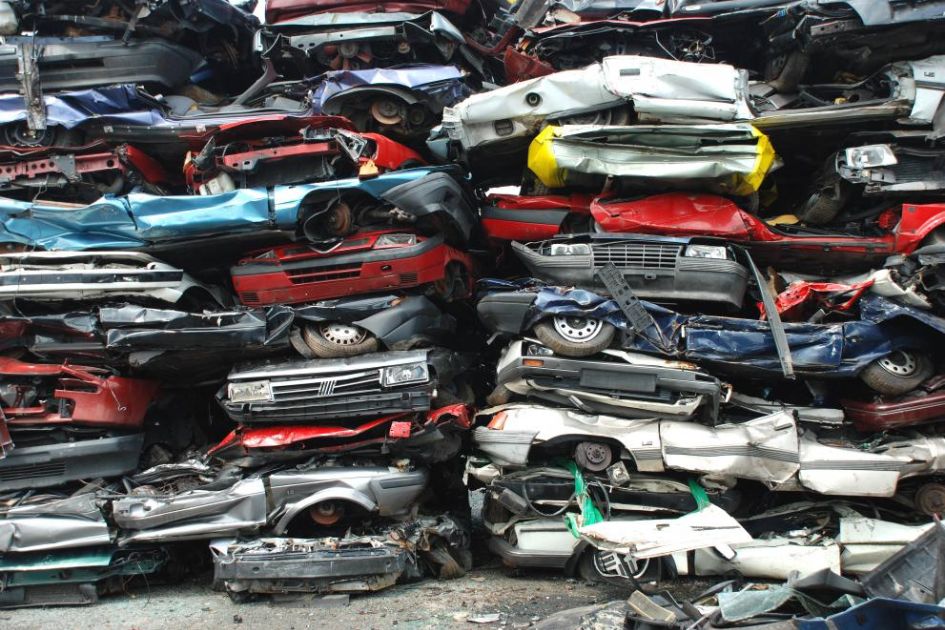



The regulation sets recycled-content targets, strengthens producer responsibility and traceability, and limits exports of end-of-life vehicles to support resource recovery across Europe.
New European Union rules aimed at making the automotive sector more circular entered into force on Thursday, introducing requirements to make vehicles easier to dismantle, reuse, recycle and recover while increasing the use of recycled materials.
The End-of-Life Vehicles (ELV) Regulation revises rules governing the design, production, collection and end-of-life treatment of vehicles. It seeks to improve resource efficiency, increase the recovery and reuse of valuable materials and enhance the environmental performance of vehicles throughout their lifecycle.
The rules are also intended to help secure a more stable supply of secondary raw materials, reducing Europe’s dependence on imported virgin resources and supporting a more resilient industrial base.
The regulation requires vehicle design to facilitate dismantling, reuse, recycling and recovery. It also improves the information available on the removal and replacement of components during a vehicle’s use and at the end of its life.
The measures are expected to help the automotive and recycling industries recover higher-quality components and materials more efficiently.
The regulation establishes mandatory targets for recycled plastic content in new vehicles, requiring 15 percent from 2032 and 25 percent from 2036. The European Commission will also establish recycled content targets for steel and aluminium, which should apply from 2033.
The recycled content requirements are intended to create a market for secondary raw materials by providing longer-term certainty for investors and manufacturers. The regulation is designed to encourage investment in recycling capacity, keep valuable materials within the European economy, strengthen industrial resilience and reduce dependence on imported virgin raw materials.
It also introduces stronger measures for the collection and traceability of vehicles reaching the end of their life. Reinforced traceability requirements, stronger enforcement and clearer criteria distinguishing used vehicles from end-of-life vehicles are intended to improve implementation across EU member states.
New measures will promote the recovery of critical raw materials from end-of-life vehicles, particularly aluminium, copper and rare earth elements, to facilitate their reuse and recycling in the EU.
From mid-2031, only roadworthy vehicles may be exported outside the EU under the new rules, aimed at preventing end-of-life vehicles from being exported as second-hand vehicles.
The regulation also strengthens Extended Producer Responsibility, requiring producers to contribute to the costs of collecting and treating end-of-life vehicles.
By making producers responsible for the end-of-life phase of vehicles they place on the market, the framework creates incentives for more sustainable vehicle design and helps ensure that collection, dismantling and recycling systems are properly financed.
It also strengthens cooperation between producers and waste management operators and extends the framework to additional vehicle categories, including lorries, buses and motorcycles.
The ELV Regulation modernises the existing framework by revising Directive 2000/53/EC on end-of-life vehicles, known as the ELV Directive and adopted in 2000, and Directive 2005/64/EC on the type-approval of motor vehicles with regard to their reusability, recyclability and recoverability, known as the 3R type-approval Directive and adopted in 2005.
“The new End-of-Life Vehicles Regulation sets a new European standard for how vehicles should be designed, produced and recovered. This is about more than recycling – it is about securing critical materials and making our automotive sector truly circular. Every car that is dismantled, every tonne of steel, aluminium, copper or plastic that is recovered, is a step towards a more resilient Europe,” Jessika Roswall, Commissioner for Environment, Water Resilience and a Competitive Circular Economy, said.
“The End-of-Life Vehicles Regulation is not just about waste, it is about resilience and Europe’s industrial future. It helps cut our dependencies on external suppliers, strengthens Europe’s economic security and keeps strategic resources within the EU. That is not only good environmental policy – it is hard-headed industrial policy,” Stéphane Séjourné, Executive Vice-President for Prosperity and Industrial Strategy, said.
The entry into force of the regulation marks a revision of the EU’s rules on vehicle end-of-life treatment, with measures focused on increasing the recovery, reuse and recycling of materials and components and reducing reliance on imported primary raw materials.




