

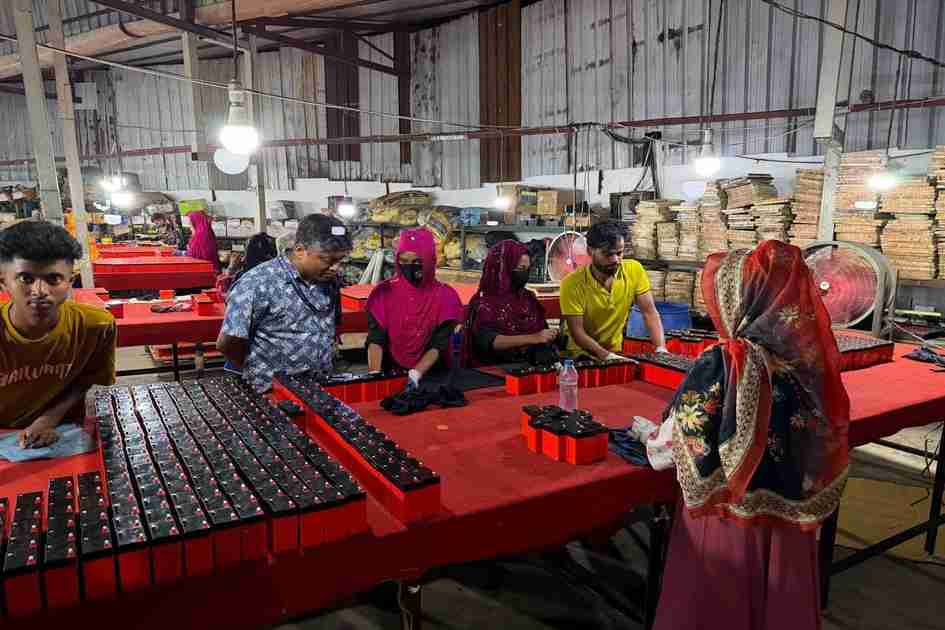



Factory inspectors identified serious deficiencies in fire protection, electrical safety and occupational health, while residents renewed calls for stronger oversight of lead-related industrial activities and stricter environmental enforcement in Bhaluka.
A lead acid battery recycling battery facility in Bangladesh’s industrial hub of Bhaluka, Mymensingh, has been ordered to suspend operations after authorities identified serious workplace safety and occupational health violations, while local residents and workers continue to raise concerns over alleged non-compliance, hazardous exposure risks, and environmental impacts linked to lead-related industrial activities in the area.
The enforcement action against Wan Xiang Industries Ltd. was taken by Bangladesh’s Department of Inspection for Factories and Establishments (DIFE) following an inspection that found major safety gaps involving workplace conditions, electrical systems, fire protection, and potential exposure to hazardous substances.
While DIFE’s suspension order relates specifically to Wan Xiang Industries Ltd. ,some community allegations concern broader lead-acid battery-related activities in the area. It was not immediately clear whether the concerns raised by residents regarding lead-acid battery recycling operations referred specifically to Wan Xiang Industries Ltd. or other facilities operating nearby.
Villagers in Bhaluka have organised a human chain protest demanding action against an alleged unauthorised lead-related industrial facility. Residents alleged that the facility was operating on land belonging to the Forest Department without proper approval. They said the area is agriculturally important and expressed concerns that industrial pollution could affect farmland, ecosystems, and community health. The claim regarding the use of Forest Department land could not be independently verified immediately.
The protest was attended by local residents and community representatives, including Abul Kashem, child rights organiser Nayan Howlader, former union council member Abdul Rouf, Hafiz Uddin, Abul Bashar, Shahjahan Khandaker, and Ujjal Sarker. They called for stronger monitoring and immediate action to protect the environment and public health.
Wan Xiang Industries Ltd., a foreign-invested battery manufacturing facility located in Bhaluka, Mymensingh, was established in Bangladesh in 2015 as a fully foreign-invested company. The factory manufactures and markets deep-cycle batteries used in Bangladesh’s electric three-wheeler sector, including vehicles commonly known as easy-bikes and electric rickshaws. The facility produces the widely distributed “DONG LI BATTERY” brand for the Bangladeshi market.
Located at Jamirdia, Dobalia Para (Ward No-05), Near Seedstore, Hobirbari, Bhaluka Police Station, Mymensingh-2240, Bangladesh, the factory is one of the notable battery production facilities in the region.
Wan Xiang Industries Ltd. could not immediately be reached for comment regarding the suspension order or concerns raised by local residents.
Fire and Electrical Safety Risks Identified
The DIFE action followed an on-site inspection conducted on May 10, 2026, by DIFE Labor Inspector Md. Abdullah Al Mamun alongside Deputy Inspector General Ahmad Masud.
According to the inspection findings, the facility had multiple non-compliances under the Bangladesh Labour Act, 2006, creating significant risks to worker safety and occupational health.
The DIFE directive stated that several generators and boiler-related units were installed in temporary open-air tin-shed structures without adequate fire-resistant protection. Inspectors warned that the arrangement posed significant fire and explosion risks due to insufficient protective infrastructure.
The inspection team also identified exposed main distribution boards (MDBs), unsafe and uninsulated electrical wiring, absence of required thermal testing records, inadequate earthing certification, and insufficient integrated fire safety arrangements.
DIFE officials said these safety gaps increased the risk of electrical accidents, fires, and workplace injuries if corrective measures were not taken.
Concerns Over Lead Exposure and Workplace Air Quality
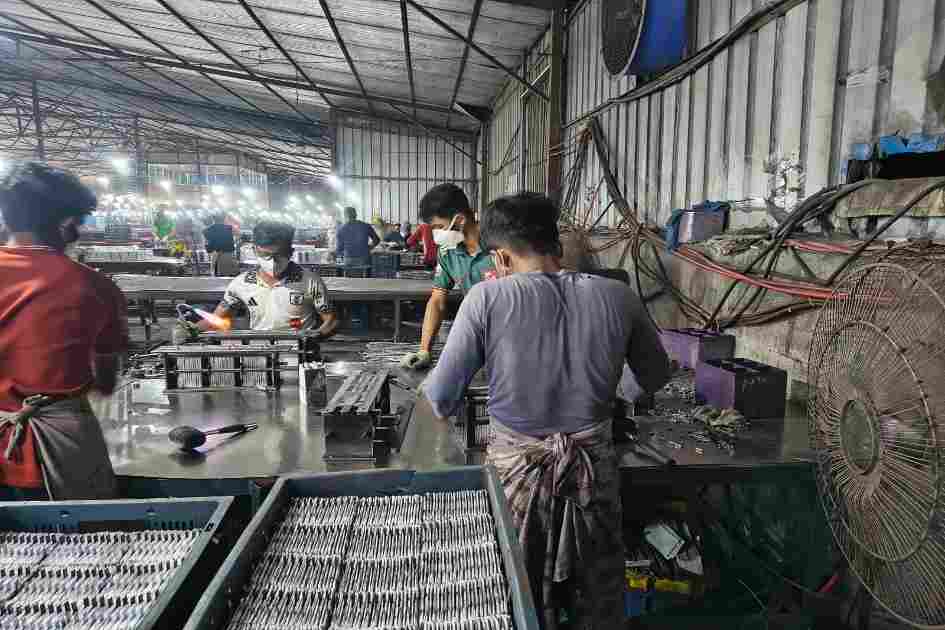
The inspection also raised concerns over occupational health conditions in several production areas, including lead plate casting, welding, oxide production, charging, finishing and assembly, lead recycling, and lead production sections.
Inspectors reported that workers in these areas were exposed to lead-contaminated dust and toxic fumes due to inadequate ventilation and the absence of effective air treatment systems.
Workers in battery manufacturing are particularly vulnerable to lead exposure, which can cause serious long-term health impacts if protective equipment, ventilation systems, medical monitoring, and workplace safety measures are inadequate.
Lead exposure is a recognised occupational health risk in battery production and recycling industries worldwide.
DIFE Orders Immediate Corrective Action
Using its authority under Sections 61(2) and 85(3) of the Bangladesh Labour Act, 2006, DIFE ordered the suspension of operations in the identified hazardous sections and prohibited the use of specified equipment and production areas until safety requirements are fulfilled.
The order, issued by Labor Inspector Md. Abdullah Al Mamun and the inspection authority, applies to the factory management, including Chairman Zuo Guizhen and Managing Director Wang Yunnan.
The company has been instructed to undertake several corrective measures, including:
Constructing dedicated fire-rated enclosures for generators and boiler plants in accordance with safety requirements.
Conducting comprehensive electrical system upgrades, including certified thermal testing and safety assessments by qualified professionals.
Arranging mandatory blood-lead level testing and medical fitness evaluations for workers exposed to lead-related hazards.
Installing effective air treatment plants to improve indoor air quality and ensure compliance with workplace safety standards.
DIFE said the factory will only be allowed to resume operations after completing the required corrective actions and receiving clearance through a formal re-inspection process.
Regulatory Agencies Notified
Copies of the suspension order have been sent to relevant government agencies, including the Ministry of Labour and Employment, the Deputy Commissioner’s Office in Mymensingh, Industrial Police-5, and the Department of Environment, to support monitoring and enforcement.
The involvement of the Department of Environment reflects the broader importance of monitoring industrial pollution, environmental protection, and compliance in areas where hazardous materials are handled.
The developments in Bhaluka highlight the challenge Bangladesh faces in ensuring that industrial growth is matched by strong workplace protections, environmental safeguards, and effective enforcement mechanisms.
Community Calls for Stronger Enforcement
Despite regulatory action and repeated warnings over workplace and environmental risks, local residents and workers have alleged that some lead-acid battery-related operations in the area continue to fail to meet labour and safety requirements.
Community members said workers and nearby residents are facing the consequences of inadequate safety measures, including potential exposure to hazardous substances, unsafe working conditions, and possible environmental pollution.
The concerns raised by local residents and workers reflect a 12-year-long struggle for stronger oversight, accountability, and protection from potential workplace and environmental risks associated with lead-acid battery-related activities in the area.
Residents and labour advocates have called for stronger monitoring, transparent enforcement, and immediate action to ensure that industries handling hazardous materials comply fully with Bangladesh’s labour, occupational health, and environmental regulations.
Residents have urged the Department of Environment to take urgent enforcement measures, conduct necessary assessments, and ensure that industries handling hazardous materials comply with environmental regulations to prevent further risks to public health, agriculture, and local ecosystems.
Bangladesh’s Lead-Free Roadmap and the Challenge of Enforcement
The developments in Bhaluka come as Bangladesh moves forward with its efforts to address lead pollution through a proposed by National Strategy for Lead-Free Bangladesh and Multi-Year Action Plan (2025–2035).
Last week, Environment Minister Abdul Awal Mintoo, MP, chaired a review meeting on the draft strategy, developed in partnership with UNICEF, focusing on combating lead pollution and promoting sustainable development.
As Bangladesh advances its lead-free roadmap, experts warn that effective enforcement, regular testing, safer recycling practices, and stronger monitoring systems will determine whether children, workers, and communities are adequately protected from the harmful impacts of lead exposure.
As the country expands manufacturing capacity, labour organisations, environmental advocates, communities, and regulators continue to call for stronger factory monitoring, improved safety standards, and greater accountability to protect workers and surrounding communities from industrial risks.




