


Authorities shut an illegal lead smelting unit in Dhamrai, fined its owner and ordered tree planting, highlighting Bangladesh’s worsening lead pollution crisis and risks to nearby communities.
Authorities in Bangladesh have shut down three illegal battery-smelting factories in Dhamrai Upazila in a late-night operation highlighting the country’s escalating lead pollution crisis.
The drive, carried out on Thursday night in Maloncho (Bhararia Union) and Saha Belishwar (Sutipara Union), targeted facilities involved in extracting lead from used batteries, an extremely hazardous process that releases toxic fumes and contaminates air, soil and water.
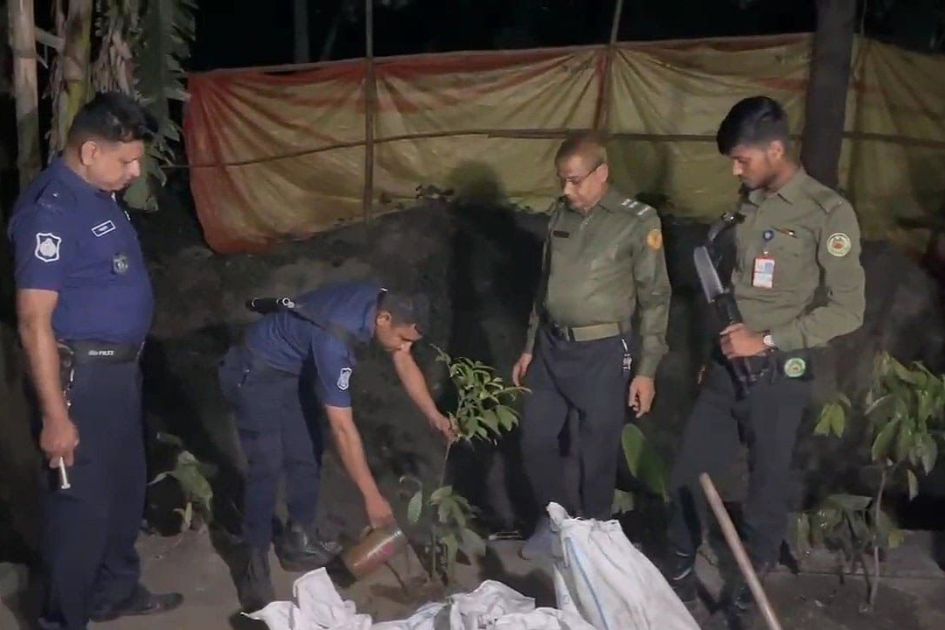
Led by Upazila Nirbahi Officer Al Mamun and Assistant Commissioner (Land) Ridwan Ahmed Rafi, officials found two factories inactive. However, one was operating at the time of the raid. Authorities immediately extinguished the furnace, shut down the facility and fined the owner 50,000 Bangladeshi Taka.
In a restorative step, the factory owner, Azizul Hakim, was instructed to plant five saplings on-site and take responsibility for their care, an effort aimed at promoting environmental accountability.
“Illegal lead production is extremely harmful and cannot be tolerated,” said Assistant Commissioner Ridwan Ahmed Rafi, adding that enforcement drives will continue.
Bangladesh is among the most lead-contaminated countries globally. According to the 2020 Toxic Truth report by Pure Earth and UNICEF, around 36 million children, nearly 60 percent of the country’s total, are affected by lead exposure, largely due to informal battery recycling and unregulated industries.
Experts warn that such operations often run near vulnerable communities, exposing residents, especially children, to severe health risks, including cognitive damage and long-term developmental impacts.
Sohanur Rahman, Executive Coordinator of YouthNet Global, said the crackdown must go further:
“Enforcement is critical, but Bangladesh also needs safer recycling systems and a just transition that protects both public health and workers’ livelihoods.”
Authorities say similar operations will continue as pressure grows to address toxic pollution alongside broader environmental and climate priorities.




