

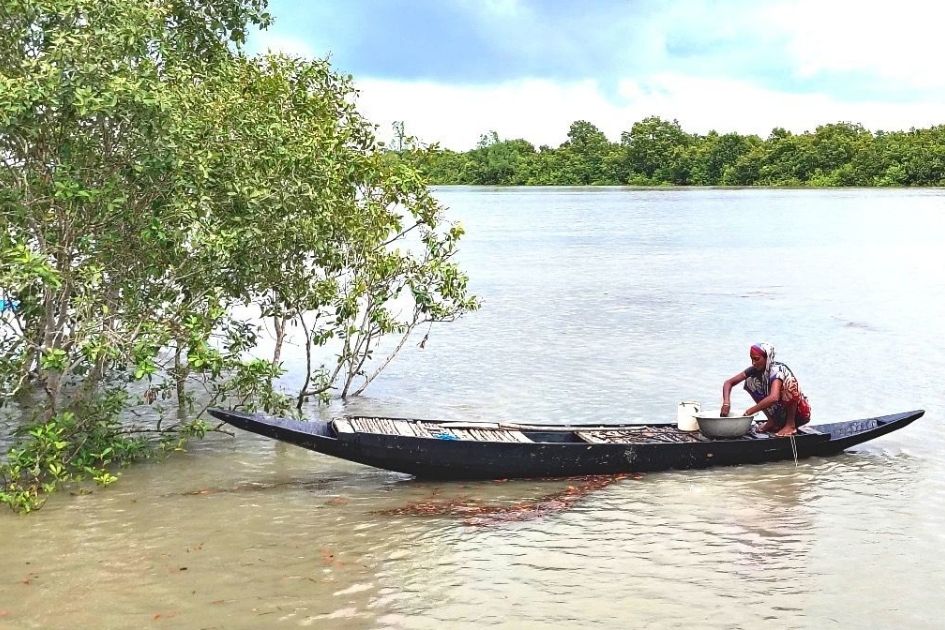



Seasonal restrictions on forest and marine resources in Bangladesh’s southwest leave families facing unemployment, debt pressure and unequal wages, pushing women into demanding low-paid labour.
Sabina Khatun, from East Kalinagar in Munshiganj of Shyamnagar upazila in Bangladesh’s southwestern Satkhira district, has become a living example of the occupational crisis facing coastal communities.
Her husband, Abdus Salam, is a fisher dependent on the Sundarbans. When forest passes, permits or access are suspended, Salam is forced to remain at home without work because of government restrictions.
But daily household expenses and instalments on loans from NGOs and moneylenders do not stop during the ban.
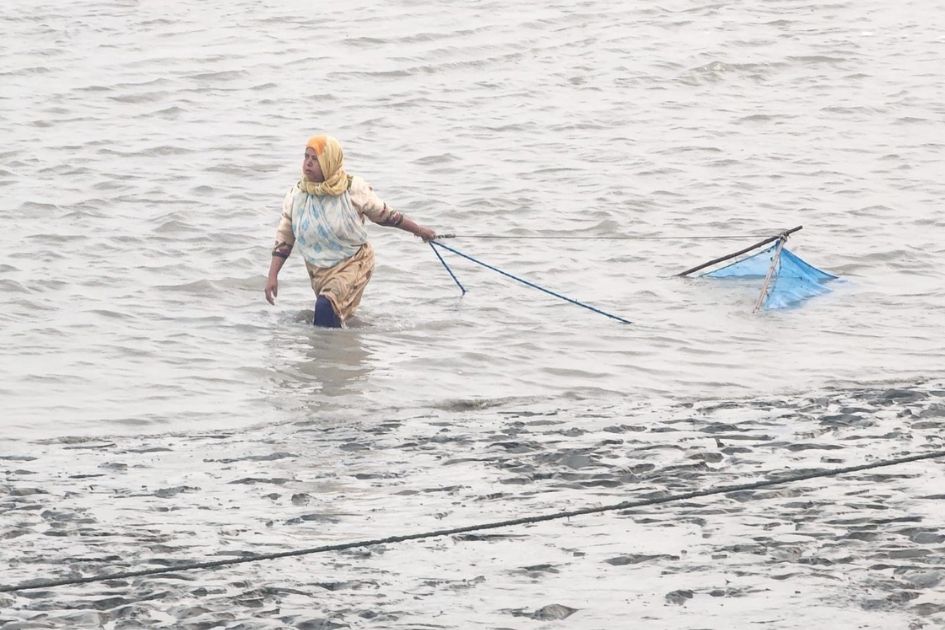
“When the forest is closed, my husband cannot work. But we still have to meet household expenses and repay our loan instalments,” Sabina said. “So I am forced to work for wages in other people’s shrimp farms, burning under the sun and getting soaked in water. Rice used to be cultivated in freshwater, but salinity has destroyed the farmland. Physical labour in shrimp farms is the only alternative work left.”
The fortunes of thousands of people in Shyamnagar, Ashashuni and Kaliganj upazilas of Satkhira are determined by the tides of the Sundarbans.
To protect breeding grounds and biodiversity, the Bangladesh Forest Department imposes restrictions on access to the forest twice a year. From June to August, for three months, tourism and the harvesting of all forest resources are suspended. Crab harvesting is also banned in January and February for two months.
In addition, fishing in the Bay of Bengal is prohibited for 58 days.
Forest-dependent communities, however, say government restrictions trigger a silent economic crisis across the coast whenever access to the forest or the sea is suspended.
With few alternative jobs available locally and limited skills for other occupations, most men become completely unemployed during these periods, leaving women to shoulder the main responsibility for keeping their families afloat.
According to Forest Department sources, around 6,500 registered fishers, woodcutters and honey collectors depend on the Satkhira Range, while more than 150,000 people depend indirectly on the forest.
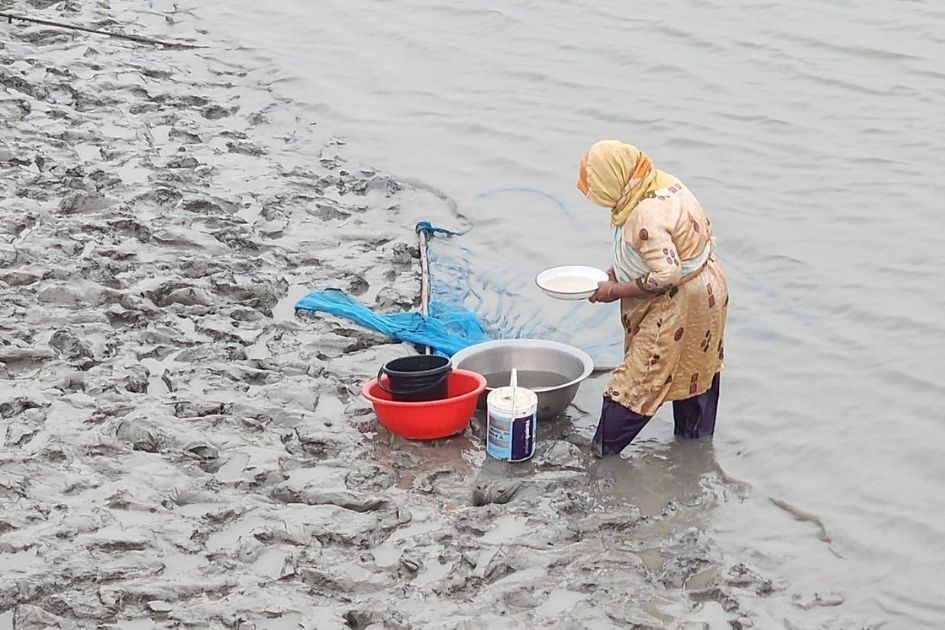
Government restrictions on resource extraction are imposed at specific times of the year to protect the Sundarbans’ biodiversity and wildlife and to support scientific research.
During June, July and August, tourism and all forms of forest resource extraction are completely suspended. In January and February, crab fishing is prohibited because of the crab breeding season, although fishing and the harvesting of other resources remain permitted during that period.
Lack of skills, jobs and lower wages for women
Nepal Sana, a forest-dependent resident of Munshiganj, described the hardship faced by local families.
“We have been catching fish and crabs in the Sundarbans since childhood. We have no skills for any other work,” he said. “The number of jobs available in shrimp farms is limited and the wages are extremely low. As a result, men cannot find work unless they go to Khulna or Dhaka to drive rickshaws or work in brick kilns. Families are forced to send women out for daily wage labour.”
Although employment opportunities emerge for women during the coastal crisis, they are also creating conditions for severe labour exploitation.
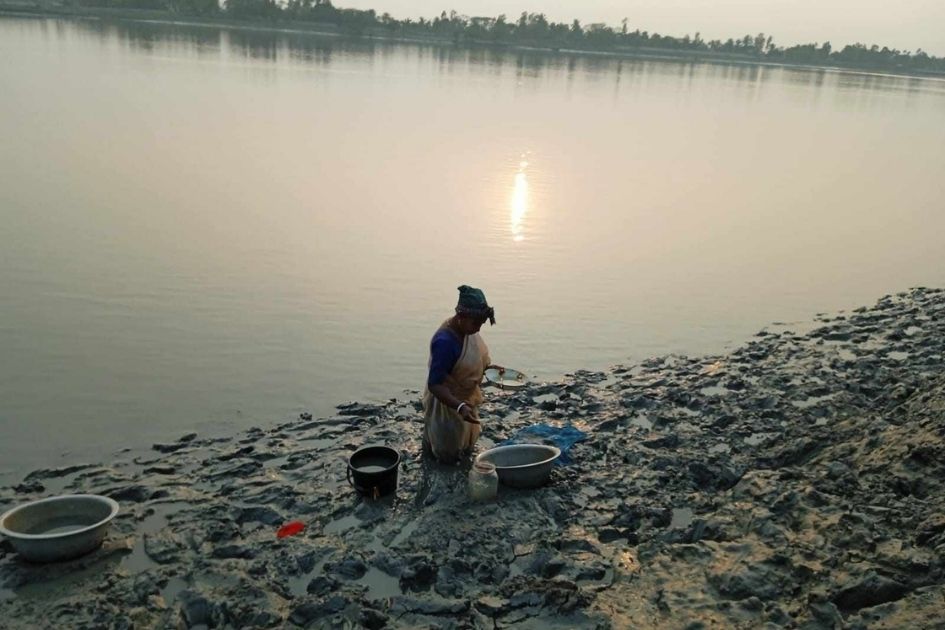
Several local women workers, including Shefali Bibi and Rahima Buli Dasi, said men receive between 400 and 500 taka a day for work for which women are paid only 250 to 300 taka despite performing the same physical labour.
Because women’s wages are lower, local shrimp farm owners are also more interested in hiring women instead of male workers.
The need to provide food for their families and meet instalment payments to moneylenders forces women to take on physically demanding work for these discriminatory low wages.




