

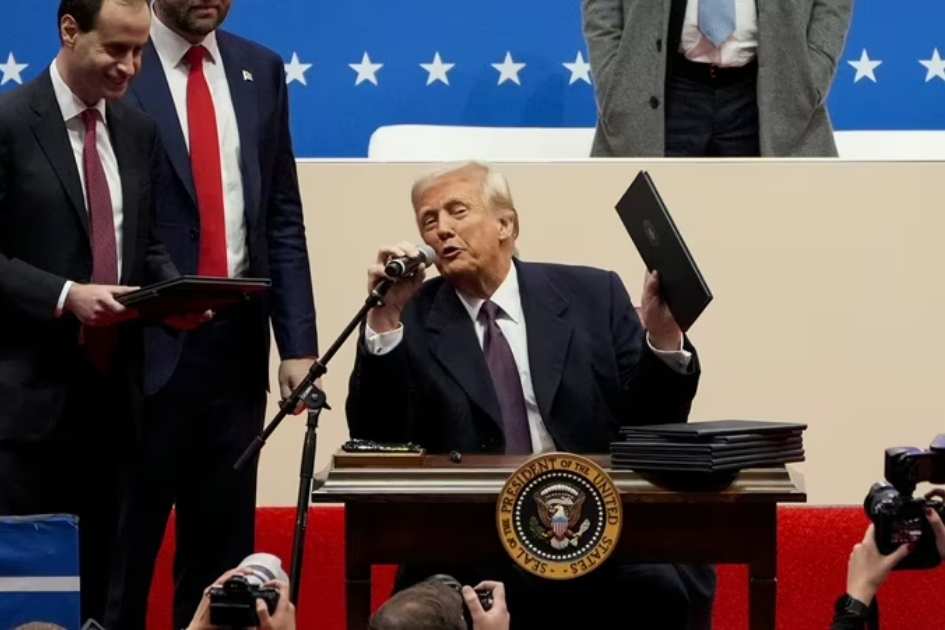



The United States will leave the UN climate convention in 2027 after the Trump administration filed withdrawal notice drawing criticism and raising concerns over weakened international cooperation on climate action.
The United States will formally withdraw from the United Nations Framework Convention on Climate Change on February 27, 2027.
The administration of Donald Trump has already submitted an official notice to the United Nations confirming the decision.
UN Secretary-General António Guterres said the UN treaty depository had received Washington’s formal notification to withdraw from the global climate pact.
Adopted in 1992 at the Rio Earth Summit, the UNFCCC is the cornerstone of international efforts to combat climate change and address its impacts.
Once the withdrawal takes effect, the United States will become the first country to formally exit the convention.
The United States is currently the world’s second largest emitter of greenhouse gases.
The decision has drawn strong criticism from climate leaders and international observers.
Reacting to the move, Simon Stiell called it a “colossal own goal.”
He warned that stepping back from global climate cooperation could harm the US economy and weaken international efforts to tackle worsening climate disasters such as wildfires, floods and droughts.
The United States had already withdrawn from the Paris Agreement earlier this year.
The landmark agreement aims to limit global warming to well below 2 degrees Celsius above pre-industrial levels.
The Trump administration said the decision to leave the UN climate convention and several other international bodies is part of a broader policy shift.
These include the Intergovernmental Panel on Climate Change and the Green Climate Fund.
The White House claims these organizations undermine US sovereignty and economic interests.
With the withdrawal, Washington will no longer be required to submit greenhouse gas emissions inventories.
It will also not be obliged to provide financial contributions under the climate convention.
Despite leaving the UNFCCC framework, the United States is expected to remain involved in several international negotiations with climate implications.
These include talks on a global treaty to curb plastic pollution and discussions on emissions pricing in the shipping sector.
Experts say the United States could potentially rejoin the climate convention in the future under a different administration.
However, legal uncertainty remains over whether reentry would require a new two thirds approval from the US Senate.




