

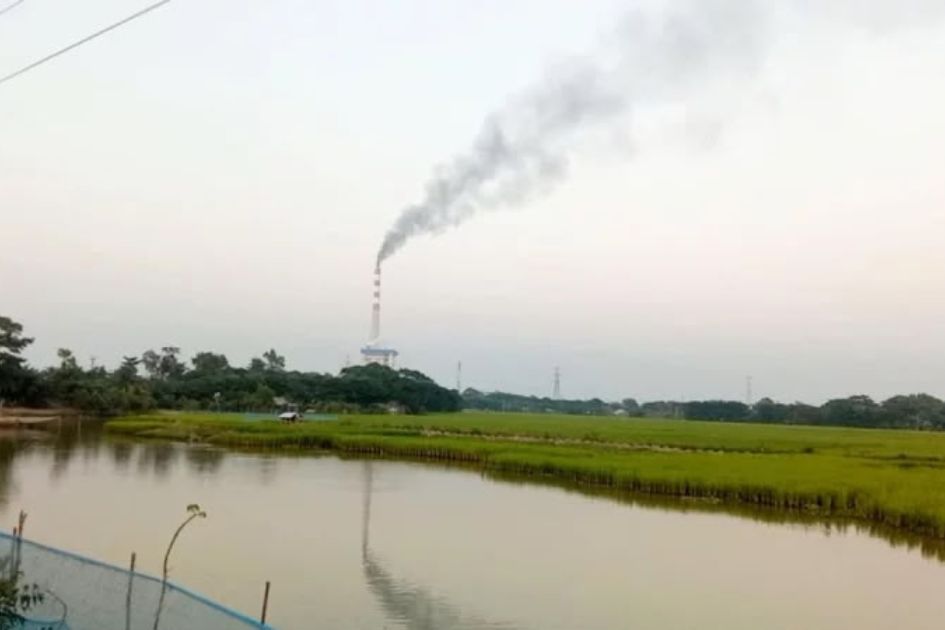



Communities near Barguna’s 307MW coal plant report health problems and declining fisheries, prompting calls for independent monitoring, stronger pollution controls and protection of coastal ecosystems.
Residents in Barguna raise alarms over health impacts, fisheries decline and ecosystem pressure as experts call for stronger environmental safeguards.
For generations, the Payra River has sustained fishermen, farmers and coastal families in Taltali. Today, as a coal-fired power plant operates nearby, residents are asking whether development can deliver electricity without threatening their health, livelihoods and fragile coastal environment.
Nearly two decades after Cyclone Sidr devastated Bangladesh’s southern coast, communities in Taltali say they are facing a new set of challenges linked to the operation of a coal-fired power plant built near the mouth of the Payra River.
The 307-megawatt Barishal coal-fired power plant was developed to expand electricity generation and support Bangladesh’s economic growth. However, community members, environmental advocates and researchers have raised concerns over alleged pollution, declining fisheries, coastal erosion, health risks and possible impacts on the region’s sensitive ecosystem.
The debate in Taltali reflects a wider challenge facing climate-vulnerable countries: how to expand energy access while ensuring that communities already exposed to climate impacts do not carry additional environmental and social costs.
Taltali Power Plant: Key facts
- Location: Taltali Upazila, Barguna, Bangladesh
- Capacity: 307 megawatts
- Fuel: Coal
- Commercial operation: January 2022
- Developer: China Resources, with Bangladeshi company Isotex holding a 4 percent stake
- Estimated project cost: Around Tk 4,500 crore
- Nearby ecosystems: Tengragiri mangrove forest, Payra River estuary and Bay of Bengal coastal zone
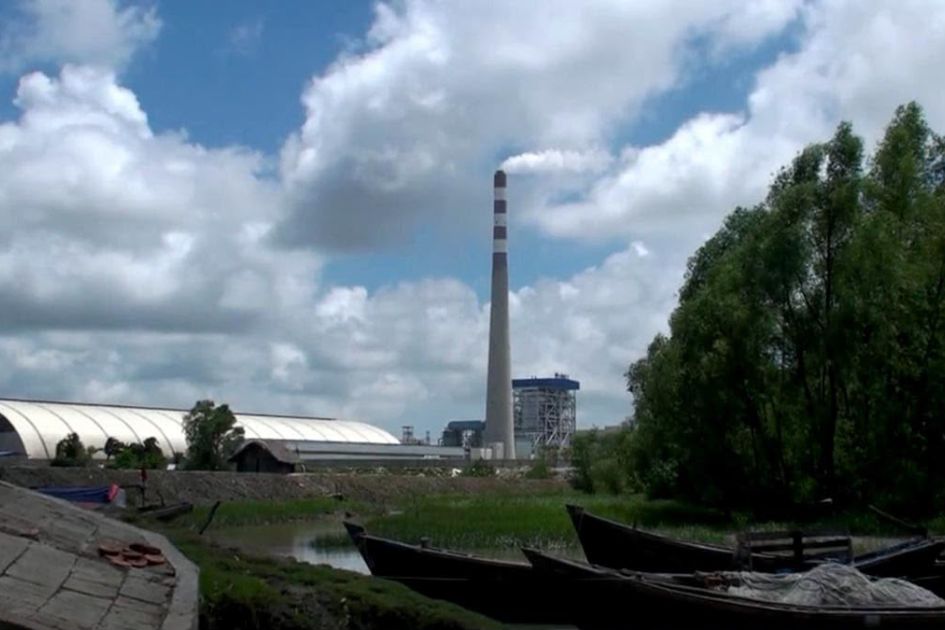
The plant is located in Ankhujanpara village near the Payra River estuary, where the Payra and Bishkhali rivers meet the Bay of Bengal. It is also situated close to the Tengragiri forest, one of Bangladesh’s important mangrove ecosystems, along with the Haringhata forest area and Shubho Shondha beach.
The region is already experiencing the effects of climate change, including rising sea levels, cyclones, coastal erosion and salinity intrusion. The mangrove forests surrounding the area serve as natural coastal protection systems, storing carbon, reducing storm impacts and supporting biodiversity.
Health concerns emerge among nearby communities
People living close to the power plant report increasing health concerns, including skin diseases, respiratory problems and other illnesses since the facility began operations.
Community members allege that coal dust, industrial emissions and possible changes in water quality have affected daily life, especially for children, elderly people and families dependent on local natural resources.
Idris Ali, a resident of Taltali, said his five-year-old daughter developed skin problems and breathing difficulties following the plant’s operation.
“Electricity is important, but we are worried about the health impacts on our children,” he said.
A physician at Taltali Upazila Health Complex said the number of patients suffering from skin diseases and asthma had increased in recent months. Environmental experts noted that coal-fired power plants require strict monitoring because pollutants such as sulphur dioxide, particulate matter and heavy metals can pose health risks if not properly controlled.
A local survey of 21 women living near the plant found that 17 had symptoms of skin disease, according to a community-based report. Health records cited in the report also showed an increase in skin infection cases after the plant began operation.
Community representatives and environmental activists have called for independent monitoring to determine whether industrial activities are contributing to environmental and health changes in the area.
Fisherfolk fear changes in river ecosystem
For generations, fishing communities in Taltali have depended on the Payra and Bishkhali rivers for income and food security. Local fishermen say declining fish availability has created economic hardship.
Community members and environmental activists allege that coal transportation activities and industrial waste management practices may have affected river conditions.
“Earlier, the river was full of fish. Now, many fishermen return with empty nets,” said Monirul Islam, a fisherman from Taltali.
Mir Mohammad Ali, a marine fisheries expert at Sher-e-Bangla Agricultural University in Dhaka, warned that pollutants linked to coal-based electricity generation could threaten aquatic biodiversity.
“Heavy metals and harmful chemicals can affect aquatic life, disrupting fish growth and reproduction, which may eventually impact food security and the coastal economy,” he said.
Researchers have also warned that thermal discharge and industrial pollutants from fossil fuel-based power facilities can affect aquatic ecosystems if not properly managed.
Mangrove ecosystem under pressure
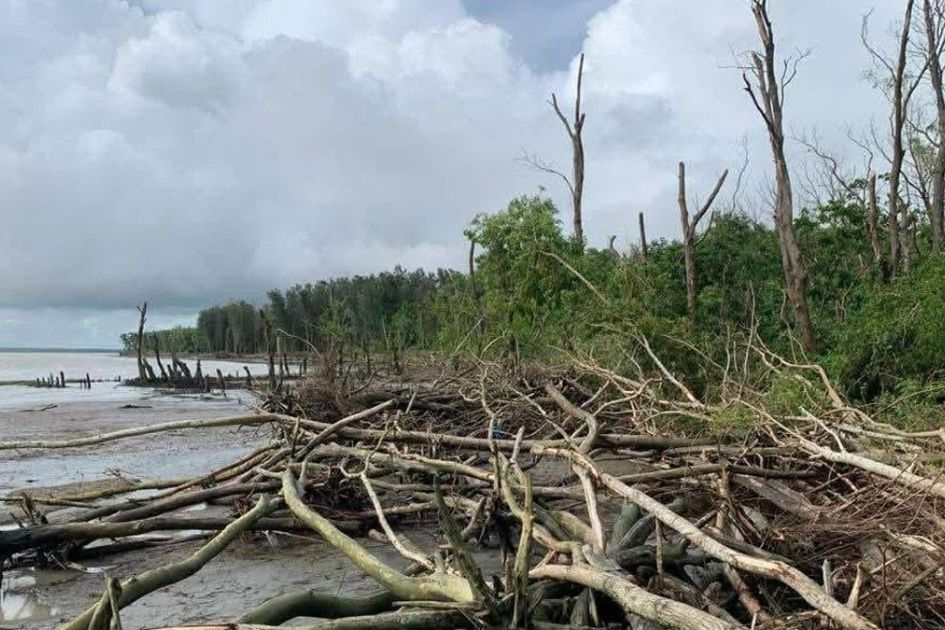
Environmental organisations have raised concerns about the possible impact of the power plant on the nearby Tengragiri mangrove ecosystem.
Mangroves are among the world’s most important coastal climate adaptation systems, protecting communities from storms, storing carbon and providing habitats for wildlife and marine species.
Environmental advocates argue that emissions, coal ash and heated water discharge from thermal power generation could place additional pressure on forests, soil quality and wildlife.
Professor Mohammad Masudur Rahman of Patuakhali Science and Technology University in southern Bangladesh said energy development must be balanced with environmental protection.
“Electricity generation is essential for meeting development needs, but reducing environmental damage is equally important for protecting biodiversity and communities,” he said.
Beach erosion threatens tourism potential
Shubho Shondha beach in Taltali was once considered a potential tourism destination, but local activists say severe erosion is threatening its future.
Mohammad Arifur Rahman, Taltali coordinator of environmental organisation Dharitri Rokkhay Amra (DHARA), said more than half of the beach had already been lost to erosion.
Calls for transparency and accountability
Environmental organisations have called for transparent environmental assessments, regular air and water quality monitoring, stronger pollution control measures and meaningful participation of affected communities.
Residents have also raised concerns over waste management and coal transportation practices. A local report alleged that waste materials were found near roads, agricultural land and riverbanks, while coal transportation was not always carried out with adequate protection.
Questions sent to the power plant authorities, project developers and relevant government agencies regarding environmental compliance, pollution control measures and waste management practices had not received a response at the time of publication.
Bangladesh Power Development Board Chairman Engineer Md Rezaul Karim said he was not aware of specific compliance concerns and requested evidence before action could be considered.
The operating company PowerChina did not respond to repeated emails seeking comments on the allegations.
A test for Bangladesh’s just transition
Bangladesh faces a complex energy challenge. The country needs reliable electricity to support economic growth while reducing climate risks and protecting communities living on the climate frontline.
A just transition means moving towards cleaner and more sustainable energy systems while ensuring that vulnerable communities, workers and local economies are not left behind.
Climate advocates argue that future energy investments must prioritise renewable energy, environmental protection and meaningful participation of affected communities. For families living along the Payra River, the future of development will be measured not only by megawatts generated, but also by whether their children can breathe clean air, drink safe water and continue the livelihoods passed down through generations.




