

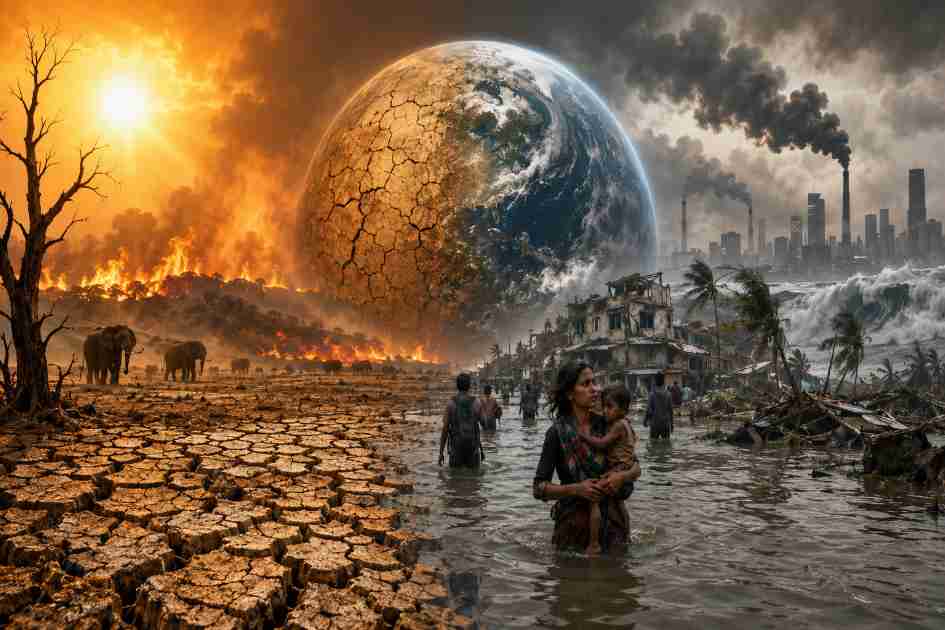



GEO-7 projects rising emissions, resource extraction and ecosystem loss could deepen poverty, hunger and water stress, while urging governments to reshape economies, energy systems and food production.
Oppressive heat, accelerating species extinctions and pollution-filled skies could define the world’s future unless humanity takes dramatic action to confront a series of rapidly worsening environmental crises, according to a new report from the United Nations Environment Programme (UNEP).
The seventh edition of the Global Environment Outlook (GEO-7) presents a stark picture of the coming decades, but its authors say the gravest outcomes can still be avoided if countries rapidly take meaningful action on climate change, nature, land and biodiversity loss, and pollution and waste.
“With a whole-of-government, whole-of-society effort humanity can still turn the ship around,” said Maarten Kappelle, Chief of Service in UNEP’s Office of Science. “But if countries continue to drag their collective feet, billions of people will face an uncertain future, especially those in the developing world.”
Prepared by nearly 300 scientists, GEO-7 modelled what the planet could look like in 2050 if countries continued three environmentally destructive practices: polluting, releasing greenhouse gases and destroying natural spaces.
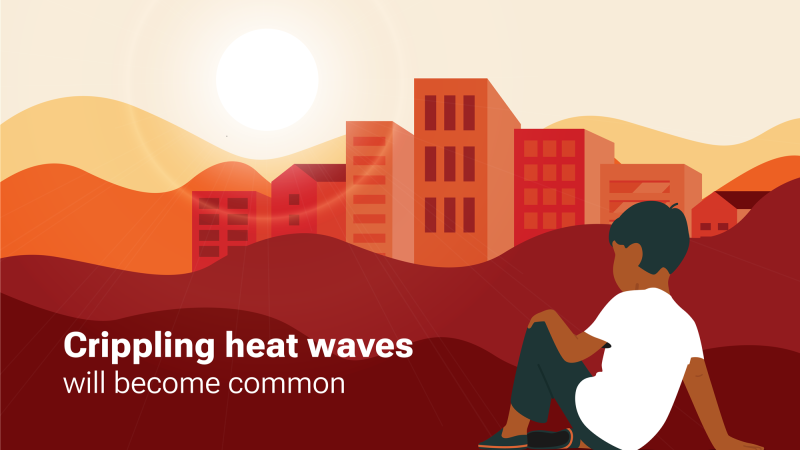
Among its projections, annual planet-warming greenhouse gas emissions are expected to reach 75 billion tonnes by 2050, nearly 50 per cent higher than today.
The increase would further destabilise the climate and drive a surge in heatwaves, which are projected to affect nearly everyone on Earth, or about 9.2 billion people, by 2050. Almost no part of the planet would remain untouched by extreme heat.
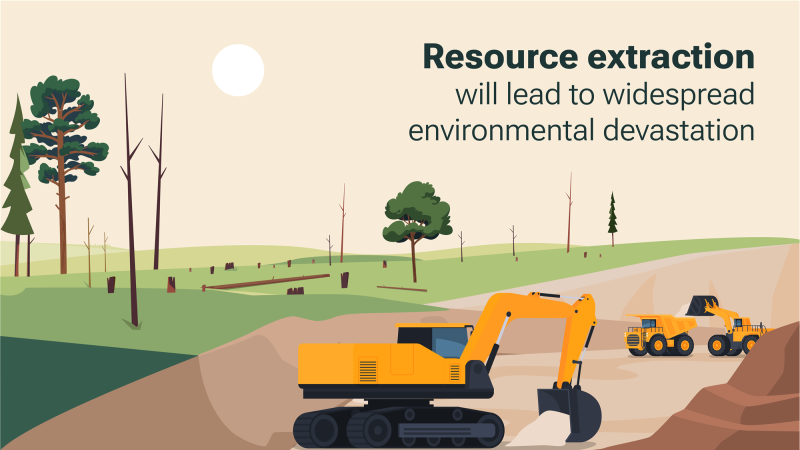
Human demand for raw materials is also projected to rise sharply. By 2050, people will be extracting 165 billion tonnes of raw materials from the Earth each year, more than 60 per cent above 2020 levels.
GEO-7 says extracting those metals, minerals and fossil fuels will destroy many natural spaces, further intensifying climate change and biodiversity loss.
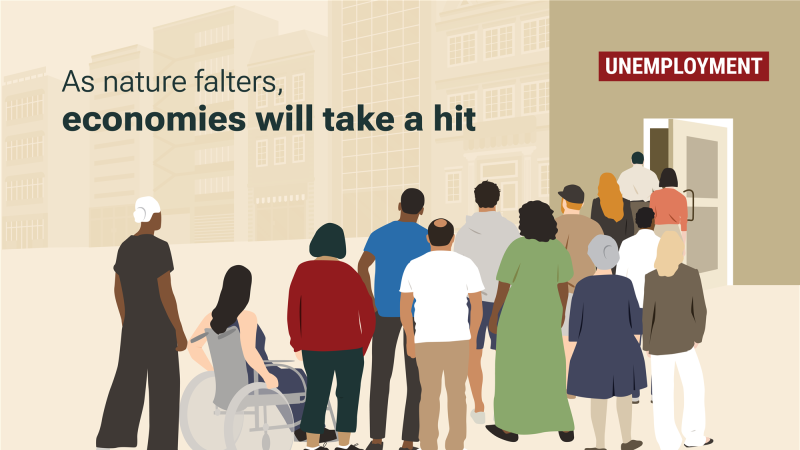
The economic consequences are also expected to be severe.
Climate change alone is projected to reduce global gross domestic product by 4 per cent annually by 2050. As temperatures continue to rise and the crisis deepens, the figure is expected to reach 20 per cent by 2100.
That would be only slightly less than the economic contraction suffered by the United States of America during the Great Depression of the 1920s and 1930s.
The downturn would be compounded by pollution and the disappearance of nature, with poorer people expected to bear the greatest burden as the gap between rich and poor continues to widen.
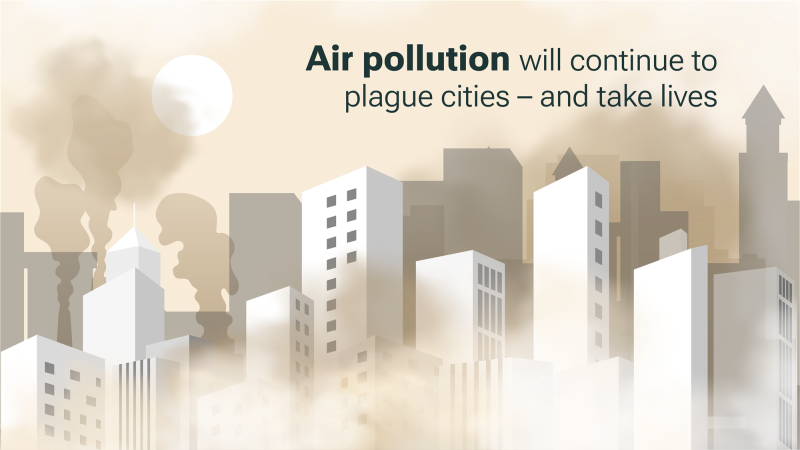
Air pollution is projected to decline slightly by 2050, according to GEO-7. But increasing urbanisation means the absolute number of people exposed to airborne pollutants will continue to rise.
By 2050, 4.2 billion people are expected to regularly breathe dangerous levels of PM 2.5, a particularly harmful pollutant. The report estimates that deaths linked to air pollution will cost the global economy US$18-25 trillion through 2060.
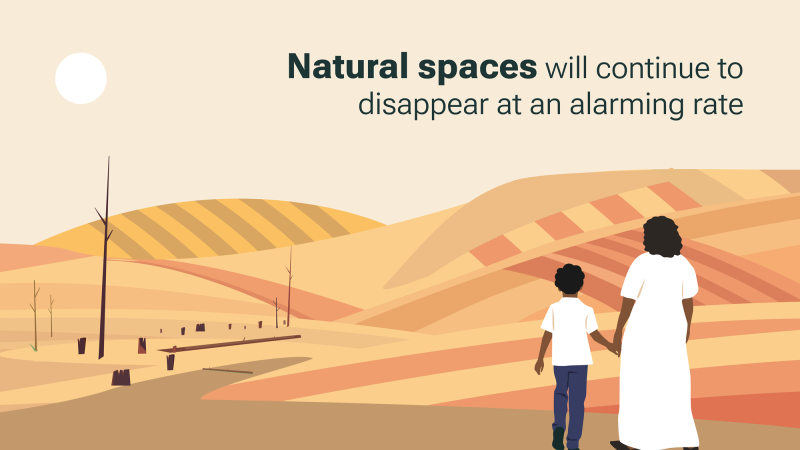
Natural ecosystems are also expected to suffer major losses.
The world is projected to lose 1 million square kilometres of forests, peatlands and other natural spaces, largely because of the expansion of cropland needed to feed a growing global population with an increasing appetite for meat.
As ecosystems disappear, the planet’s mean species abundance, a single measure capturing the diversity and distribution of life, is expected to fall by 3 per cent.
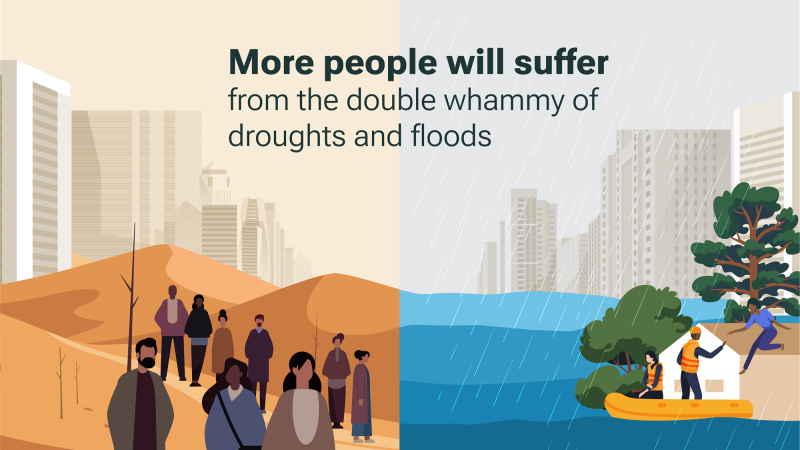
Unchecked climate change will also expose around 1.1 billion additional people to heavy rainfall and another 900 million people to intense drought by 2050.
The combined effects are expected to push up to 132 million people into poverty and place another 24 million people at risk of hunger by 2040. By 2050, 3.3 billion people, one third of the planet, are projected to face water stress.
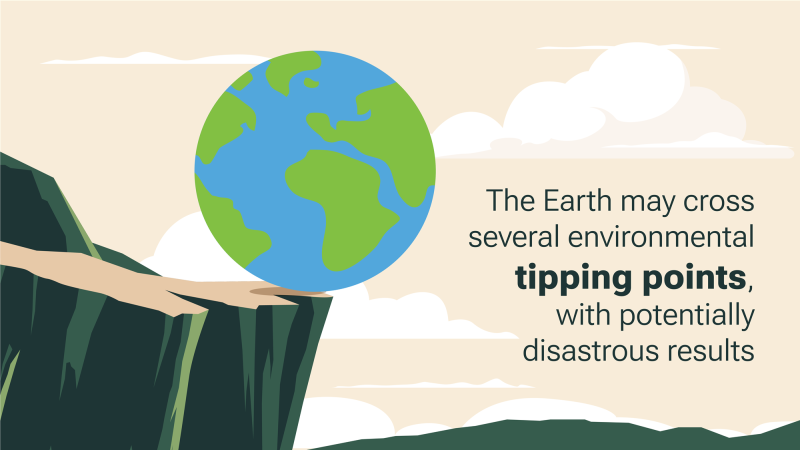
GEO-7 also warns that the world is approaching a series of climate-related thresholds from which there may be no return.
The Greenland and Western Antarctic ice sheets could collapse, causing sea levels to rise by 10 metres. Thawing permafrost could release massive quantities of methane, a powerful greenhouse gas, further accelerating warming.
The Amazon rainforest could wither into a savannah, depriving the planet of one of its most important carbon sinks, while nearly every warm-water coral could disappear, devastating marine ecosystems and threatening fisheries worldwide.
Ocean currents and the Jet Stream could also be affected, potentially throwing the climate into disarray.
Despite the scale of the projected damage, GEO-7 argues that the planet’s future is not predetermined.
Humanity still has time to tackle climate change, nature loss and pollution, but doing so will require urgent and unprecedented changes in how countries govern their economies, manage materials and waste, generate energy, produce food, use raw materials and treat the environment.
More on those changes will be covered in the next story in the GEO-7 series, scheduled for publication on Dec 22.
The Global Environment Outlook series was launched in 1997 and provides an assessment of the state of the natural world as well as a blueprint for policymakers seeking to create a healthier planet.
Its seventh edition, titled A Future We Choose, was released in December 2025.
The article is republish from the UN Environment Programme.




