

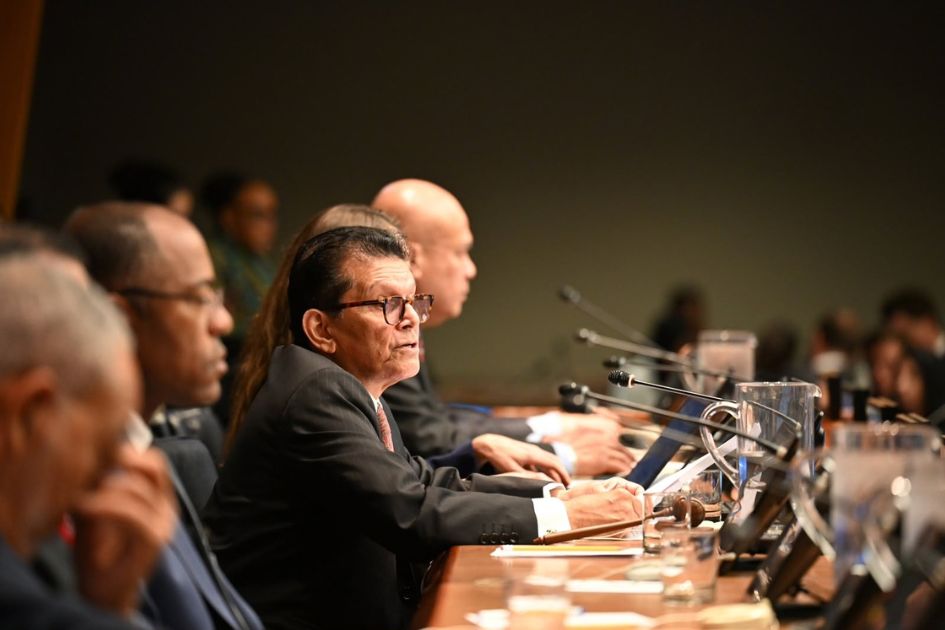



The UN declaration highlights the growing international focus on protecting vulnerable coastal nations through climate action, finance and safeguards for sovereignty.
The United Nations General Assembly on Thursday adopted its first political declaration on sea-level rise, with Assembly President and Bangladesh Foreign Minister Khalilur Rahman urging countries to translate commitments into action for vulnerable coastal nations.
Speaking at a high-level meeting at UN headquarters, Khalilur said rising seas posed a threat to small island states, low-lying river deltas and major coastal cities, while the impacts were not shared equally.
Countries with the fewest resources often faced the greatest risks, he said.
“Bangladesh knows that danger well,” Khalilur said, warning that a one-metre rise in sea level could inundate about 4,000 square kilometres of the country. He added that climate impacts, including rising seas, could force more than 13 million people to move within Bangladesh by 2050.
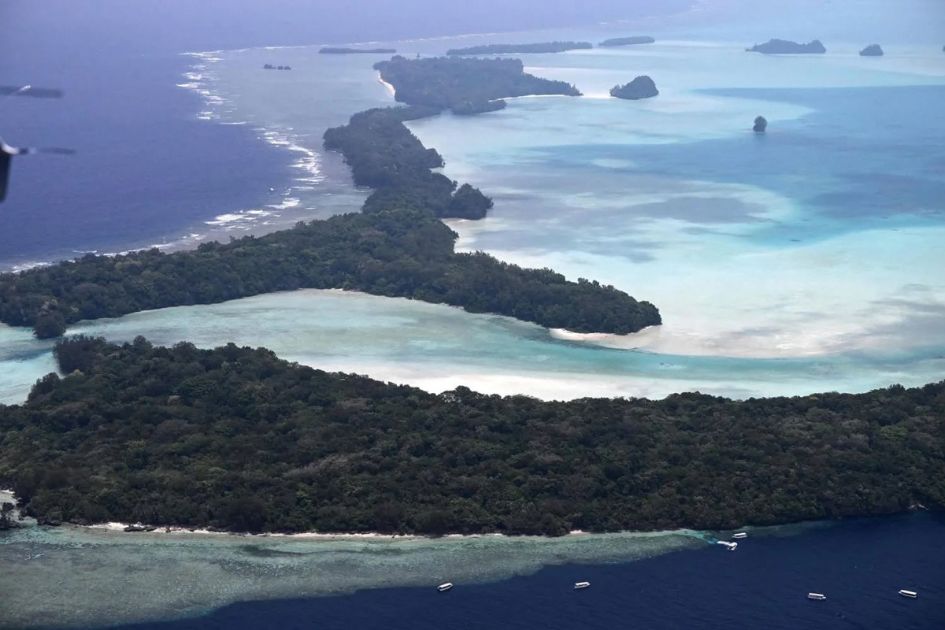
The declaration calls for stronger cooperation on reducing emissions, climate adaptation and climate finance. It also supports preserving established maritime zones and the continuity of statehood as coastlines retreat, issues that are of particular concern to small island nations.
Palau President Surangel Whipps Jr., speaking on behalf of the Alliance of Small Island States, described the declaration as a “genuine achievement” after decades of advocacy by island countries.
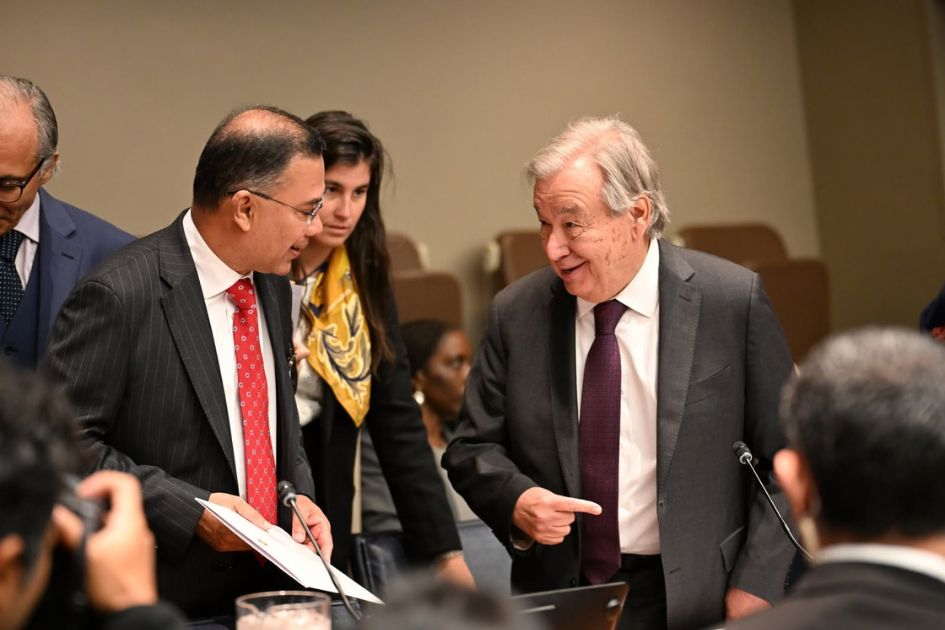
“Sea-level rise is measured in millimetres, but its toll is measured in millions of shattered lives, uprooted communities, and stolen futures,” UN Secretary-General António Guterres said.
Global mean sea level rose by 5.9 millimetres in 2024, faster than expected, according to NASA. The increase was largely driven by the expansion of warming ocean water.
Khalilur called for stronger coastal protection measures, mangrove and wetland restoration, early-warning systems and locally led adaptation efforts. He said developing countries could require $310 billion to $365 billion annually for adaptation by 2035.
International public adaptation finance for developing countries stood at $26 billion in 2023, he said.
The Bangladesh foreign minister called for more predictable and accessible funding, adequate support for the Fund for Responding to Loss and Damage and debt solutions that would create fiscal space for climate resilience.
During the UN General Assembly week, Bangladesh Prime Minister Tarique Rahman outlined four priorities for international climate action: faster and fairer emissions cuts to keep the 1.5°C goal within reach, predictable and accessible climate finance, wider access to climate technology and early-warning systems and stronger cooperation on climate-driven displacement, loss and damage.
He also highlighted Bangladesh’s plans to excavate about 20,000 kilometres of rivers and canals over five years, develop the Padma Barrage, modernise the Teesta Barrage and plant 250 million trees.
The country is targeting at least 20 percent renewable electricity generation by 2030, alongside efforts to expand green industry, cleaner transport and a national carbon market.’
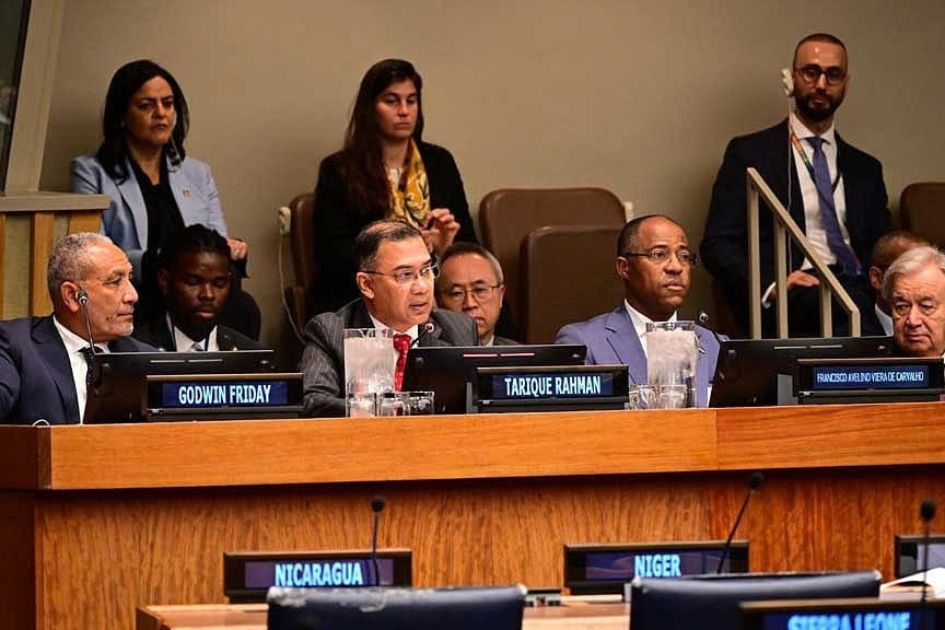
Rahman said adaptation alone would not be enough to address the scale of the threat. He called for changes in global emissions and consumption, supported by international cooperation to ensure vulnerable nations were not left behind.




