


Scientists warn a developing super El Nino could unleash catastrophic droughts, famine, disease outbreaks and extreme weather worldwide as rising ocean temperatures intensify one of Earth’s most dangerous climate patterns.
A potentially devastating super El Nino is moving toward Earth and could become one of the most severe climate events in recorded history, scientists have warned, raising fears of widespread droughts, crop failures, famine and deadly disease outbreaks across multiple continents.
Climate experts say the developing weather pattern may surpass the intensity of past El Nino events as ocean and atmospheric temperatures continue to rise under already warmer global conditions.
Historical records show that the 1877-78 El Nino was among the deadliest climate disasters ever experienced by humanity. Climate reconstructions indicate that water temperatures in a key region of the Pacific Ocean rose by as much as 2.7 degrees Celsius above normal during that period. Scientists say the seemingly small increase disrupted rainfall systems worldwide and triggered catastrophic consequences.
Researchers estimate that famine, starvation and epidemics linked to the event killed nearly four percent of the world’s population at the time. If a similar disaster were to strike today, the death toll could exceed 250 million people based on current global population figures.
Current forecasts suggest Pacific Ocean temperatures could rise more than 3 degrees Celsius above average by the end of this year. Scientists fear the approaching super El Nino could become even hotter and more destructive than the climate catastrophe that unfolded nearly 150 years ago.
Dipti Singh, associate professor at Washington State University, warned that several countries could once again face prolonged and simultaneous droughts similar to those seen in the 1870s.
“The major difference now is that the atmosphere and oceans today are already significantly warmer than they were in the 1870s,” Singh said. “As a result, El Nino-driven extreme weather could become far more dangerous and severe.”
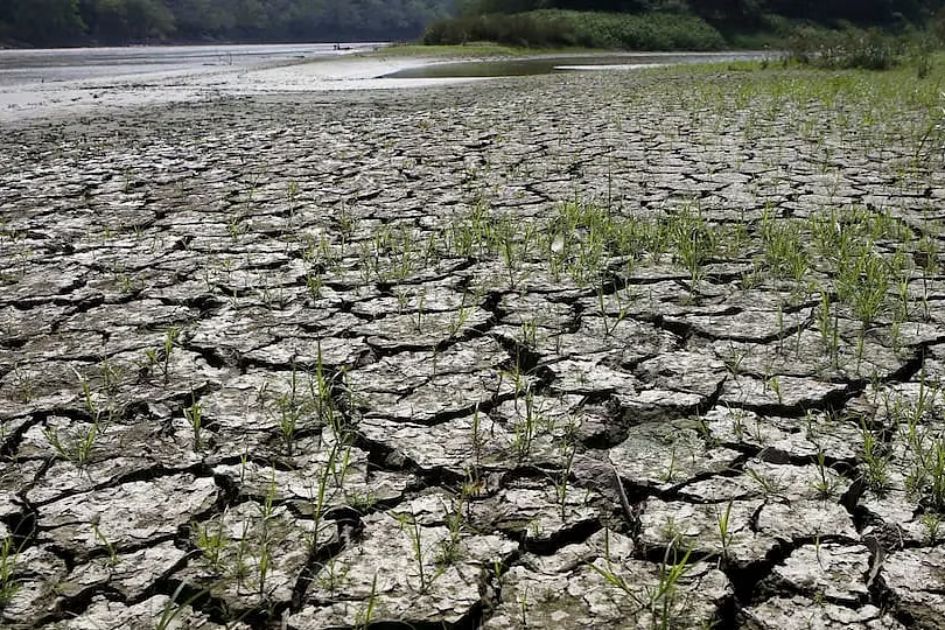
The 1877 super El Nino is widely regarded by experts as the first truly global climate disaster. Existing drought conditions intensified dramatically under the influence of the warming Pacific, destroying crops and agricultural systems across vast regions.
India was among the worst-hit areas after the monsoon rains largely disappeared, leaving millions facing starvation. Northern China experienced severe drought conditions that halted agricultural production. In Brazil, rivers dried up and farming systems collapsed.
Extreme drought and widespread wildfires were also reported across Africa, Southeast Asia and Australia.
Historians and climate researchers say the disaster weakened social systems in many countries and, in some regions, strengthened colonial and trade control structures. The crisis accelerated migration and exposed the fragility of the global food system in the face of climate shocks.
The famine-stricken populations later became vulnerable to deadly epidemics including malaria, plague, dysentery, smallpox and cholera.
Paul Roundy, a scientist at the State University of New York at Albany, said current conditions could lead to the largest El Nino event since 1877.
Renowned climate scientist Katharine Hayhoe also warned that the approaching El Nino could have a profound negative impact on human society, livelihoods and overall well-being.
El Nino-Southern Oscillation is a natural climate cycle that shifts every two to seven years between the warm El Nino phase and the cooler La Nina phase. During El Nino periods, warm water accumulated in the Pacific Ocean spreads outward and raises global surface temperatures.
The excess heat gradually moves into the atmosphere and can keep planetary temperatures elevated for months. Scientists classify an event as a super El Nino when sea surface warming exceeds 2 degrees Celsius.
Recent observations show that sea surface temperatures in the tropical Pacific are rising faster than at any other time this century.
Wilfran Moufouma Okia, head of climate prediction at the World Meteorological Organization, said climate models were now in broad agreement about the event’s development.
“All climate models are pointing in the same direction. We are highly confident that El Nino has begun and will continue strengthening in the coming months,” Okia said. “The models indicate this is likely to become an extremely powerful event.”
The report was originally published by The Daily Mail.




