




Spain’s worsening wildfire season is intensifying debate over climate resilience, disaster preparedness and emissions cuts as extreme heat and drought increase risks to communities.
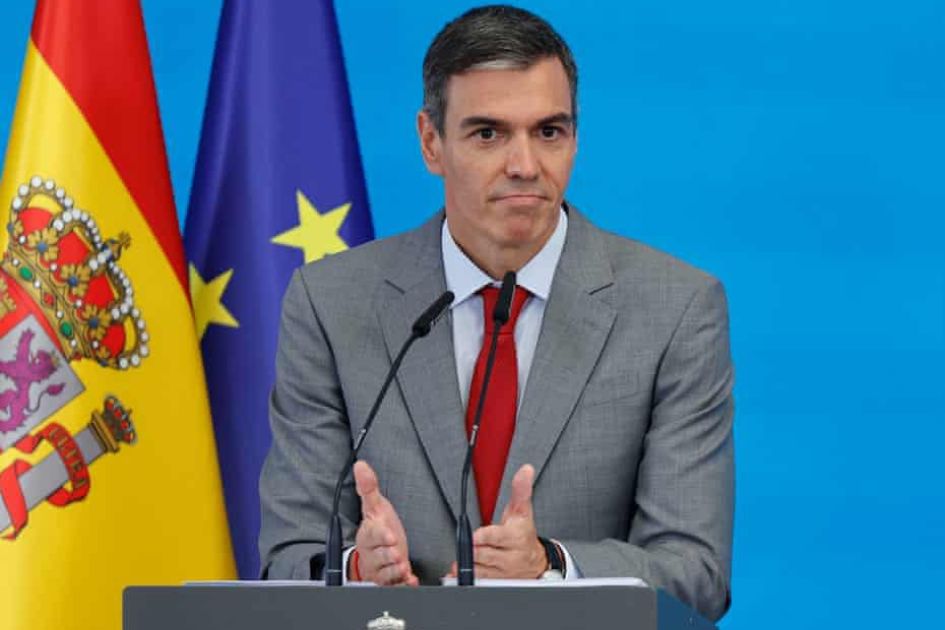
As flames continue to tear through Spain’s landscapes, destroying forests, threatening communities and placing emergency workers under extreme pressure, Prime Minister Pedro Sánchez has issued a stark warning: “The climate emergency kills.”
Speaking amid one of Spain’s most challenging wildfire seasons, Sánchez said the climate crisis is no longer a distant threat but a present-day reality requiring immediate action. He warned that governments cannot rely only on responding to disasters after they happen; they must also confront the root causes driving the crisis.
“The climate emergency kills,” Sánchez told reporters, repeating his warning from previous years. “And that’s why it’s not enough to address the consequences, which we do; what we have to do is reduce its causes, anticipate its effects, and, consequently, better prepare our country to protect people’s lives.”
According to preliminary monitoring data, more than 180,000 hectares of land have reportedly been affected by wildfires across Spain in the first seven months of 2026, renewing concerns over the country’s growing vulnerability to extreme climate events. The scale of destruction has intensified debate over whether current emergency responses are enough or whether deeper climate action is required.
Spain faces escalating climate threats as heat and drought intensify
Located on the southern frontier of Europe, the world’s fastest-warming continent, Spain faces escalating climate risks, including prolonged droughts, rising temperatures, desertification, changing rainfall patterns and increasingly dangerous wildfire conditions.
Climate scientists say human-caused global heating is increasing the likelihood of extreme heat, drying landscapes and creating conditions that allow wildfires to spread faster and burn more intensely. Experts also highlight a combination of factors, including rural depopulation, abandoned agricultural land and highly flammable vegetation, that can amplify wildfire severity.
The crisis has become both an environmental and political challenge. A recent state research institute survey found that 84% of Spaniards view the climate emergency as a real threat to human well-being and planetary health. However, political disagreements remain over the scale, causes and policy responses to the crisis.
Climate action sparks political divide in Spain
Sánchez has called for a broad “state pact” to strengthen Spain’s climate resilience, improve disaster preparedness and protect communities from future risks. Opposition parties, including the conservative People’s Party (PP), have criticized the government’s approach, arguing that climate discussions should not overshadow concerns about disaster management and prevention.
Some conservative and right-wing political groups have questioned aspects of climate policy and the interpretation of recent temperature trends, while climate researchers continue to emphasize the strong scientific evidence linking human activities, particularly fossil fuel emissions, to rising global temperatures and worsening climate extremes.
Communities and firefighters bear the growing cost of climate extremes
Beyond political debate, the consequences are being experienced by ordinary people. Rural communities face increasing pressure as drought, heat and wildfires threaten livelihoods, ecosystems, agriculture and local economies. Firefighters and emergency responders are working under increasingly dangerous conditions as extreme weather events become more frequent and intense.
Spain’s wildfire crisis is part of a wider global reality. While Spain is a developed economy with greater resources for adaptation, many climate-vulnerable countries across Africa, Asia and small island states face far greater risks with fewer resources to respond.
Spain’s crisis reflects a global climate warning
From Mediterranean Europe to climate-frontline communities in the Global South, rising temperatures are transforming once-in-a-generation disasters into recurring threats. The impacts of climate change are already reshaping lives, economies and ecosystems across continents.
The lesson from Spain’s wildfire crisis is clear: climate change is no longer a future scenario to debate; it is a present reality demanding action, accountability and global solidarity. Adaptation remains essential, but protecting future generations requires confronting the root causes of global warming and reducing the emissions driving the climate crisis.




