




The uranium delivery is part of a nine-consignment fuel programme, as commissioning work on Rooppur’s first unit also advances with successful safety-system testing.
A cargo aircraft carrying uranium fuel for Bangladesh’s Rooppur Nuclear Power Plant has departed Russia for Dhaka and is expected to arrive at Hazrat Shahjalal International Airport at around 11:30 pm on Friday, according to Bangladesh’s Ministry of Science and Technology.
The aircraft will make a stop in India before continuing to Dhaka, ministry sources said.
The shipment had previously been scheduled to arrive on September 24, but the delivery was cancelled despite preparations by the Russian and Bangladeshi authorities.
Multiple sources familiar with the matter said a total of nine consignments of nuclear fuel will be brought to Bangladesh for the Rooppur plant. Seven cargo shipments will be for the second unit while two will be used for refuelling the first unit.
Russia’s state nuclear corporation Rosatom has said the full fuel supply is expected to be completed by December.
Meanwhile, significant progress has been made in the commissioning of the first unit of the Rooppur plant.
A pressure-operated relief valve test was successfully completed on Wednesday morning at a pressure of 16 megapascals.
Rosatom said in a message on Thursday that the test, which began on Tuesday night after a fault was repaired, was successfully completed on Wednesday morning.
The test was conducted from both the main control room and the emergency control room. It assessed the operation of the control valves as well as the performance and response of the relevant main safety valve.
During the test, engineers monitored the opening and closing of the valves, alarms and various related technical aspects.
The test was carried out in accordance with approved procedures and the required safety conditions, Rosatom said.
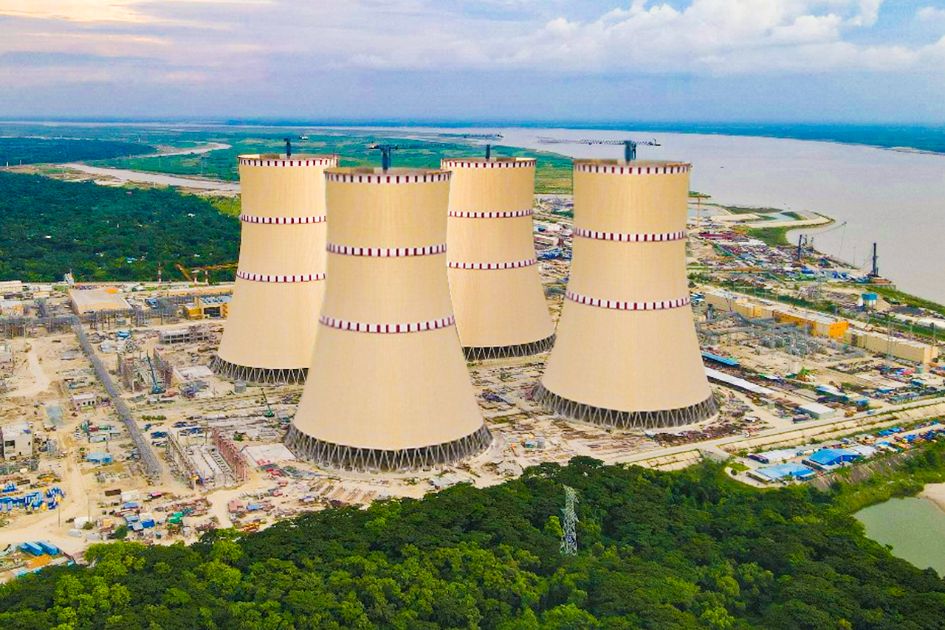
Rosatom and its partner companies are building the Rooppur Nuclear Power Plant in Ishwardi, Bangladesh’s Pabna district, with financial and technical support from Russia.
The two-unit plant has a combined generation capacity of 2,400 megawatts.




