

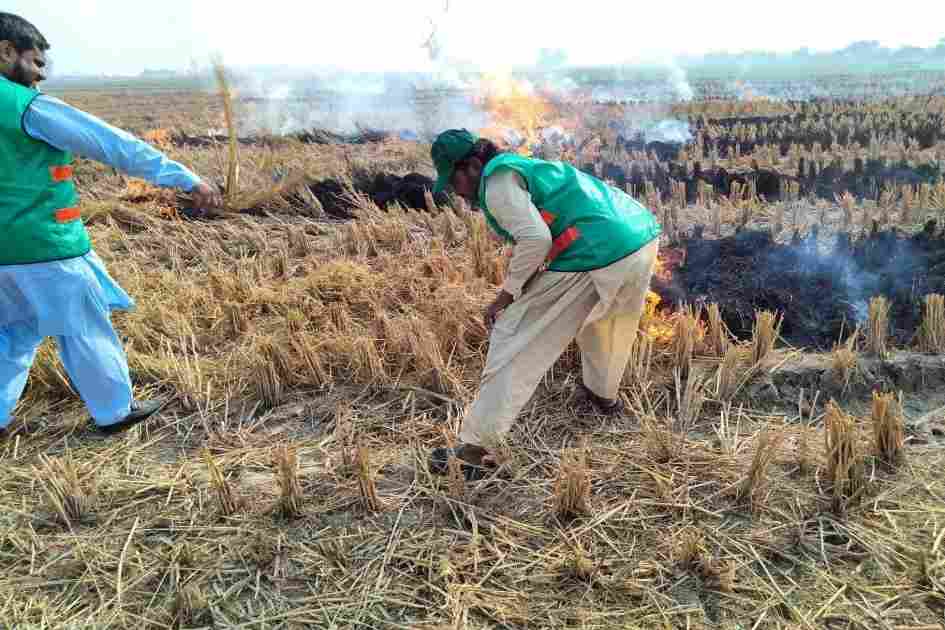



Pakistan ranks most polluted in 2025, followed by Bangladesh, as global air quality worsens. Climate change, wildfires and poor monitoring intensify PM2.5 risks, threatening health across South Asia and beyond.
Pakistan has been ranked the world’s most polluted country in 2025, with concentrations of fine particulate matter (PM2.5) reaching up to 13 times the World Health Organization (WHO) safe limit, according to the annual report by Swiss air quality firm IQAir. Bangladesh followed closely in second place while Tajikistan took third. Chad, which was the most polluted country in 2024, fell to fourth, though experts noted this drop is likely due to gaps in data rather than genuine improvement.
The report, covering 143 countries and nearly 9,500 cities, revealed that only 14 percent of global cities met WHO air quality standards last year, down from 17 percent in 2024. The decline is attributed to climate change effects, wildfire smoke and chronic pollution, particularly in regions that had historically experienced lower PM2.5 levels. Canadian wildfires contributed significantly to elevated air pollution across the United States and even parts of Europe.
South Asia remains the world’s most polluted region. Pakistan, Bangladesh and India ranked first, second and sixth among countries while 83 cities from these nations, along with Nepal, were among the 100 most polluted globally. India’s Loni, a town bordering Delhi, was recorded as the world’s most polluted city, with an average PM2.5 level of 112.5 micrograms per cubic metre. Delhi, the world’s most polluted capital, recorded an annual average of 99.6 micrograms, nearly 20 times the WHO safe guideline. Seasonal crop burning, vehicular emissions and stagnant winter air caused pollution spikes near 460 micrograms in November 2025, prompting authorities to close schools, restrict construction and temporarily ban diesel generators.
IQAir noted that extensive monitoring in India has revealed a widespread pollution problem, describing the country as a “victim of its success in monitoring.” The more data collected, the more pollution is exposed, highlighting the importance of comprehensive monitoring to understand the full extent of air quality issues. In Pakistan, monitoring coverage is smaller but the country still topped the list for the highest annual average PM2.5. Across the Indo-Gangetic plain, patterns of seasonal pollution peaks, particularly from crop burning and urban emissions, remain consistent.
Globally, wildfire events severely worsened air quality in regions with historically low pollution, including parts of North America. Meanwhile, wetter and windier La Niña conditions helped countries such as Laos, Cambodia and Indonesia achieve significant reductions in PM2.5 concentrations. Countries like Australia, Iceland, Estonia and Panama maintained air quality within WHO guidelines. On the other end of the spectrum, French Polynesia and Nieuwoudtville in South Africa were identified as the cleanest locations in the world, with annual PM2.5 concentrations of just 1.8 and 1 microgram per cubic metre, respectively.
The IQAir report also highlighted persistent data gaps, particularly in Africa and West Asia. The US decision to halt public reporting from embassy and consulate air quality sensors in March 2025 weakened monitoring in 44 countries and left six countries without any reliable air quality coverage, depriving millions of access to real-time pollution information.
The report serves as a stark reminder that clean air is a fragile resource. Climate Change, transboundary pollution, wildfires and chronic urban emissions continue to threaten public health on a global scale. Without immediate action and stronger regional cooperation, the world’s most vulnerable populations, particularly children, will continue to face long-term health consequences from prolonged exposure to unsafe air.
Sohanur Rahman, Executive Coordinator of YouthNet Global, emphasized the human impact of these figures, saying, “Air pollution is not just a number; it directly affects nutrition, health and the future of our communities. Regional cooperation and robust monitoring are essential to protect children and vulnerable populations.”




