

Kaptai hydropower output tops 200 MW as lake water levels rise

spot_imgspot_imgspot_imgspot_img

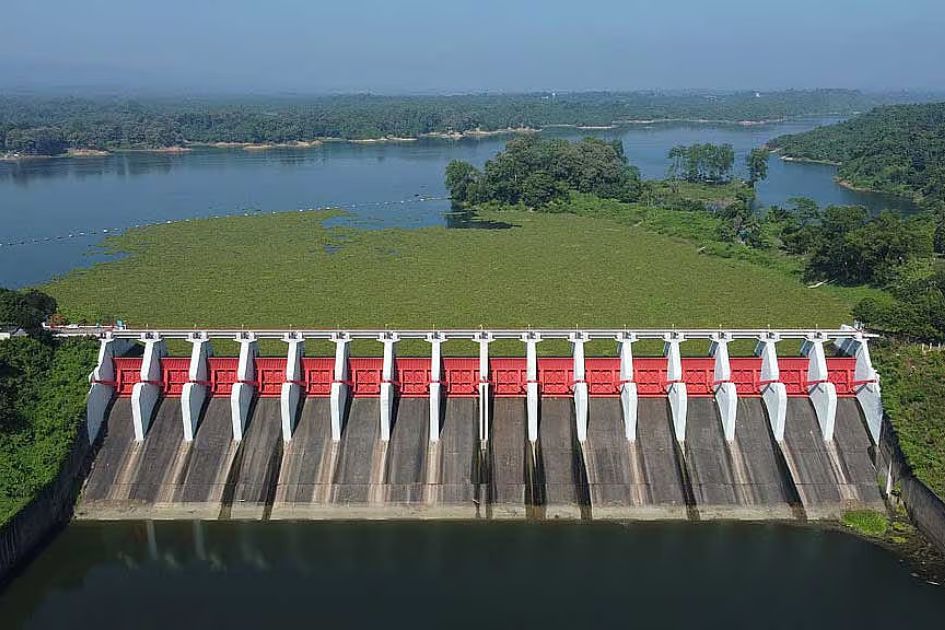
Rising water in Kaptai Lake has allowed all five generating units at the Karnaphuli Hydroelectric Power Station to increase output, with officials saying generation is expected to rise further if water levels continue climbing.

Electricity generation at the Karnaphuli Hydroelectric Power Station in Bangladesh’s Rangamati district has exceeded 200 megawatts after water levels in Kaptai Lake rose following a week of continuous rainfall.

The authorities at the Karnaphuli Hydroelectric Power Station said the plant’s five generating units were scheduled to produce 206 megawatts of electricity from Monday morning until the afternoon.

According to data from the power station’s control room, the water level in Kaptai Lake currently stands at 100.60 feet, compared with the normal level of 95.92 feet. The lake has a maximum storage capacity of 109 feet, while water levels between 105 and 107 feet are considered to be within the danger range.

Mahmud Hasan, manager of the Karnaphuli Hydroelectric Power Station, said the increase in the lake’s water level had enabled the plant’s five units to generate 206 megawatts of electricity.

“There is now more than 100 feet of water in the lake. As the lake’s water level rises, electricity generation at the power station will also increase,” he said.

This post is republished from bdnews24.com.

Latest News

EU rolls out new rules to make Europe’s car industry more circular

The regulation sets recycled-content targets, strengthens producer responsibility and...

Students plant 5,000 trees to protect Satkhira’s fragile coastlands

Organisers say youth-led planting in Ashashuni offers a practical...

Manikganj activists demand ban on paraquat, hazardous pesticides

Speakers urged stronger market monitoring, farmer awareness and support...

Bangladesh climate finance lab develops 35 GCF funding concepts

A five-day climate finance leadership lab in Gazipur has...

Asia-Pacific MPs call for universal health, climate and AI action

The Phnom Penh Communiqué puts equity, financing and safeguards...
spot_img
spot_img

Editor's Choice

Bangladesh’s wind power push stalls amid fossil fuel dependence and grid failures

“Catching the Wind: Why Bangladesh Still Fails to Harness...

The Climate Watch part of EJN project wins SOPA 2026 environment reporting award

The recognition marks another international milestone for The Climate...

The Climate Watch among 14 Asian newsrooms recognised in 2026 Osborn Elliott Prize citation

The Climate Watch has been internationally recognised through a...

Germany to give 52.5m euros to Bangladesh for climate change adaptation

Germany will provide Euro 52.5 million to Bangladesh for...
spot_img

Related Articles

Popular Topics
