





Sonapahar’s Jackfruit Festival highlights innovation, sustainable food research and the commercial potential of Bangladesh’s national fruit.
A student-led innovation in jackfruit-based snacks emerged as the biggest attraction at Sonapahar Eco Resort’s annual Jackfruit Festival on Friday, where visitors praised a newly developed jackfruit chip that organizers say could soon become Bangladesh‘s next homegrown snack success story.
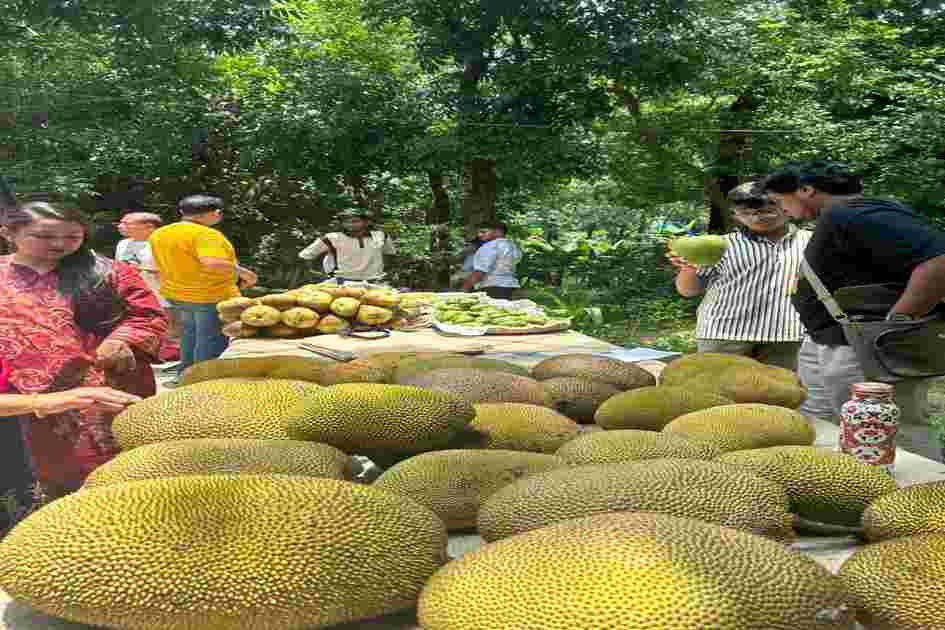
Held amid the scenic hills of Sonapahar in Chattogram, the festival celebrated Bangladesh’s national fruit and the natural bounty of the Chittagong Hill Tracts, drawing families, students, nature enthusiasts, food lovers and travellers from across the region for a day of food, culture and community engagement.
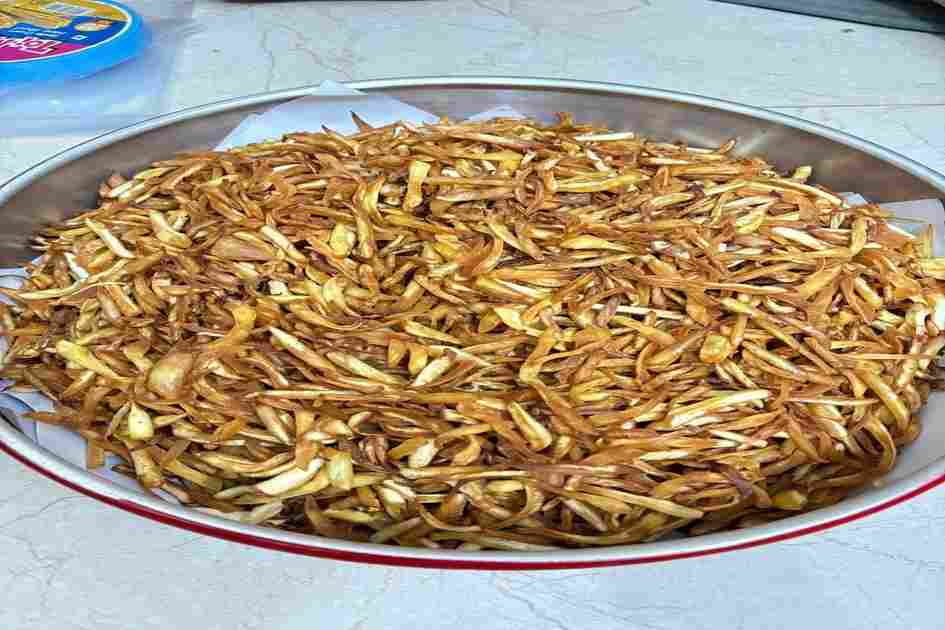
The event’s standout attraction was a live cooking demonstration by students from the Environmental Sciences Department of the Asian University for Women (AUW) under the AUW Green Bangle Project. Students Mehenu Marma, Diamond Tripura and Vimaliny Vigneshwaran introduced handcrafted jackfruit chips prepared on-site, attracting large crowds and earning widespread praise from festivalgoers.
Inspired by the long-established tradition of jackfruit chips in South India, where the fruit has long served as both a staple food and a valued nutritional resource, the students adapted the recipe with an emphasis on nutrition, hygiene and extended shelf life.
Visitors described the freshly prepared chips as exceptionally crunchy and naturally flavorful.
“We came for a lovely festival and we left talking about those chips,” one guest said. “They were perfectly crispy, not greasy at all. I genuinely could not stop eating them.”
According to the students and project coordinators, the chips were developed as part of an academic research initiative examining sustainable food systems and the commercial potential of indigenous fruits. The product combines hygienic production methods, quality ingredients and a process designed to preserve crispness for an extended period without relying on unnecessary preservatives.
Researchers involved in the project said the chips offer nutritional advantages over many conventional fried snacks. Rich in dietary fibre and naturally lower in saturated fat, they also contain nutrients commonly associated with jackfruit, including vitamin C, potassium and antioxidants.
The overwhelmingly positive reception has prompted organizers and faculty advisers to explore the possibility of a commercial launch. What began as an academic exercise is now being viewed as a potential market-ready product.
Beyond the culinary attraction, the festival featured a series of cultural performances celebrating the traditions and heritage associated with jackfruit. Musicians and performers entertained guests throughout the day, blending folk culture with contemporary artistic expression.
Visitors also enjoyed a wide variety of jackfruit-based dishes showcasing the fruit’s versatility. The menu included savoury curries, biryanis, desserts and refreshing beverages. While many dishes proved popular, the AUW jackfruit chips consistently attracted the longest queues and generated the most discussion among attendees.
The festival was open to the public and reflected the broad appeal of both the fruit and the event itself. The tranquil setting of Sonapahar Eco Resort, known for its rolling green hills and natural beauty, provided a picturesque backdrop for the celebration.
Sonapahar Eco Resort, widely recognized for promoting sustainable tourism in Bangladesh, said the festival reflects its commitment to environmental stewardship, local heritage and community engagement.
“The jackfruit is more than a fruit in Bangladesh, our national fruit, it is a symbol of abundance, resilience and our connection to the natural world,” a spokesperson for the resort said. “This festival was an opportunity to celebrate that and to support the brilliant young minds at AUW who are finding innovative ways to honour our traditions while looking to the future. The response from guests has been incredible and we could not be more proud.”
Representatives of the AUW Green Bangle Project also welcomed the outcome, saying the event demonstrated how academic research can generate practical solutions with real-world impact. Faculty members and project coordinators said the festival highlighted the potential for classroom and laboratory ideas to evolve into products and experiences that benefit communities.
Organizers said the Jackfruit Festival is expected to become a regular annual event, with plans already being considered to expand future editions. As interest continues to grow, the student-developed jackfruit chips may soon move beyond festival grounds and onto store shelves across Bangladesh.




