

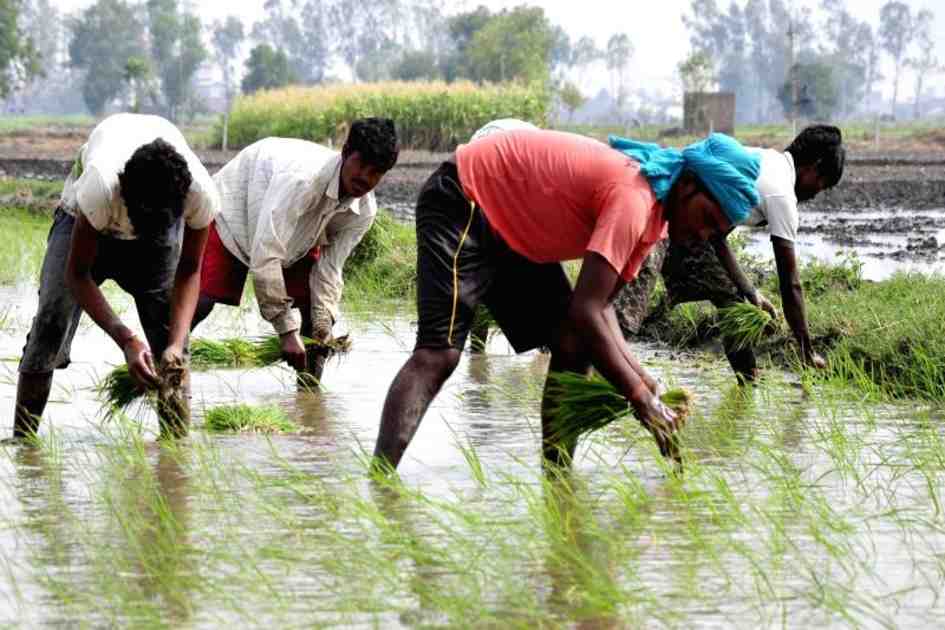



Climate Group warns India’s agriculture and food sectors face mounting climate risks, urging businesses, farmers and government to accelerate adaptation, strengthen resilience and support sustainable, low-emission food systems nationwide.
India’s agriculture and food sectors must urgently strengthen climate adaptation efforts as extreme heat, erratic monsoons and worsening groundwater stress threaten food supply chains, a leading climate organization has warned.
“Extreme heat, unpredictable monsoons, severe groundwater stress across the country are increasing the risk to food supply chains. Resilience in agriculture and food sectors is urgent and requires everyone’s participation from farmers to large businesses, industry associations and the government,” Divya Sharma, India Executive Director of the Climate Group, said.
Sharma spoke on the sidelines of the Climate Group Asia Action Summit and the Philanthropy Asia Summit held in Singapore from May 18 to May 20.
She said an industry-led coalition backed by the Climate Group is being developed to accelerate the shift toward sustainable food systems.
“The coalition is convening key actors across businesses and industry associations to increase demand and supply of nutritious, low emissions, sustainable food products,” Sharma added.
According to the Climate Risk Index, India is the world’s ninth most climate-vulnerable country.
Sharma said India has already demonstrated leadership in renewable energy expansion and transport electrification as part of efforts to reduce emissions. She noted the country is steadily progressing toward its target of generating 500 gigawatts of electricity from renewable sources by 2030.
India has also helped establish international initiatives such as the International Solar Alliance and the Coalition for Disaster Resilient Infrastructure, reflecting its push to scale up domestic climate action while strengthening international cooperation, she said.
At the same time, Sharma highlighted the challenges of decarbonizing India’s steel and concrete sectors, which are under pressure to boost production to support the country’s rapid economic development and rising prosperity.
“Decarbonizing India’s economy is extremely important, particularly amidst an uncertain global geopolitical environment and its impacts on national and international markets. With its trajectory though, the country is capable to achieve Net Zero before 2070,” she said.
The Climate Group has operated in India for 16 years and works on initiatives including the Smart Energy Coalition, Steel Zero and Concrete Zero, alongside subnational climate leadership efforts through the Under2 Coalition, which focuses on greenhouse gas emissions mitigation.




