

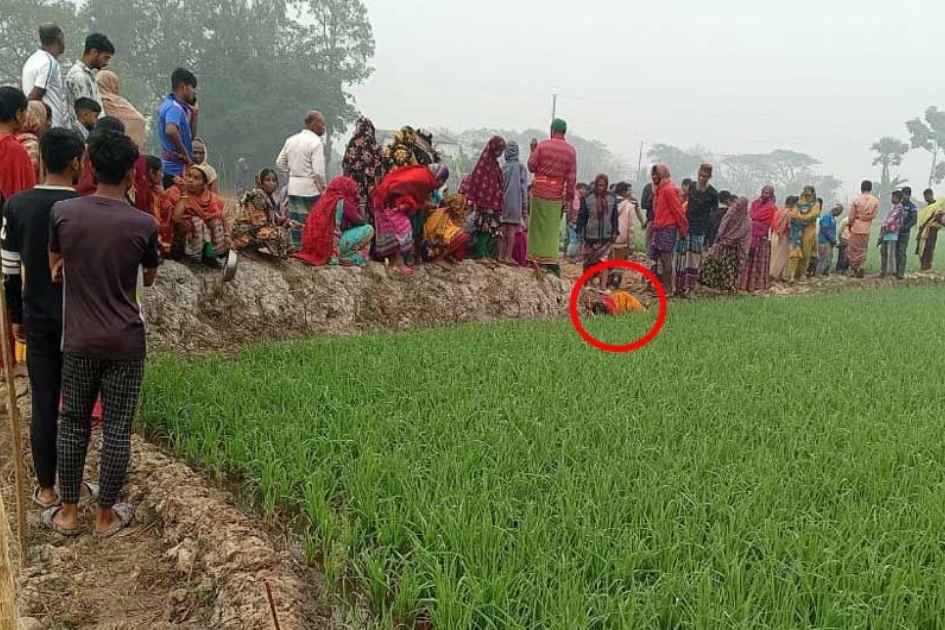



A woman’s death from an illegal electric trap in Khulna has spotlighted dangerous crop protection methods and escalating human-wildlife conflict in Bangladesh’s climate-vulnerable coastal communities.
A woman has died after being electrocuted by an illegal electric trap set up to protect crops in coastal Bangladesh, drawing renewed attention to dangerous farming practices and the growing conflict between people and wildlife in vulnerable rural areas.
Community leaders and rights advocates say stronger enforcement of laws along with support for farmers facing crop loss from pests and wildlife is essential to prevent further tragedies and reduce conflict between people and nature in coastal Bangladesh.
The incident occurred in Maheshwaripur Union under Koyra Upazila of southwestern Bangladesh, part of the climate-exposed coastal belt near the Sundarbans. The upazila is known for frequent crop damage caused by rodents and wildlife, which has led some farmers to resort to risky and illegal methods to protect their fields.
The victim, Latika Baidya, 40, wife of Barun Baidya of Maheshwaripur village, was found dead in a paddy field early Sunday, local sources said. She had gone out on Saturday evening to search for her cow but did not return home.
Family members and neighbors searched for her throughout the night. At dawn, relatives went to a paddy field owned by a local farmer, Nirud Roy, where they discovered her body lying in the field. The family has accused the landowner of setting up an electrified wire around the field.
Police said officers were sent to the scene after receiving the report. “We have dispatched a police team to the spot. Legal action will be taken if a written complaint is filed,” said Shah Alam, investigation officer of Koyra Police Station.
In many rural areas, farmers illegally connect electric wires around crop fields to deter animals and rodents. However, the practice is prohibited and has repeatedly resulted in fatal accidents.
Local residents say such deaths are not new in the area. Last year, three members of the same family, a father, mother and son, were killed in Charamukha village under South Bedkashi Union after coming into contact with an electrified wire set beside a paddy field.
In another incident on October 23, a 36-year-old man named Abdur Rahman died after being electrocuted by an illegal electric line in a field in the same upazila. Overall, at least six people lost their lives in similar incidents in the area last year.
Local human rights activist Mostafizur Rahman said using electric connections in farmland is completely illegal and extremely dangerous.
“Farmers have no right to take human lives in the name of protecting crops,” he said. “Authorities must raise awareness among farmers and provide training on safer and alternative methods including effective rodent control.”
Environmental youth leader Sohanur Rahman, Executive Coordinator of YouthNet Global, said the incident reflects a deeper crisis affecting coastal communities.
“This tragic death shows how human and wildlife conflict is intensifying in climate-vulnerable coastal areas. Farmers are struggling to protect their crops but illegal electric traps are putting both people and biodiversity at risk,” he said. “We urgently need community awareness, stronger enforcement and safe sustainable solutions for crop protection.”




