

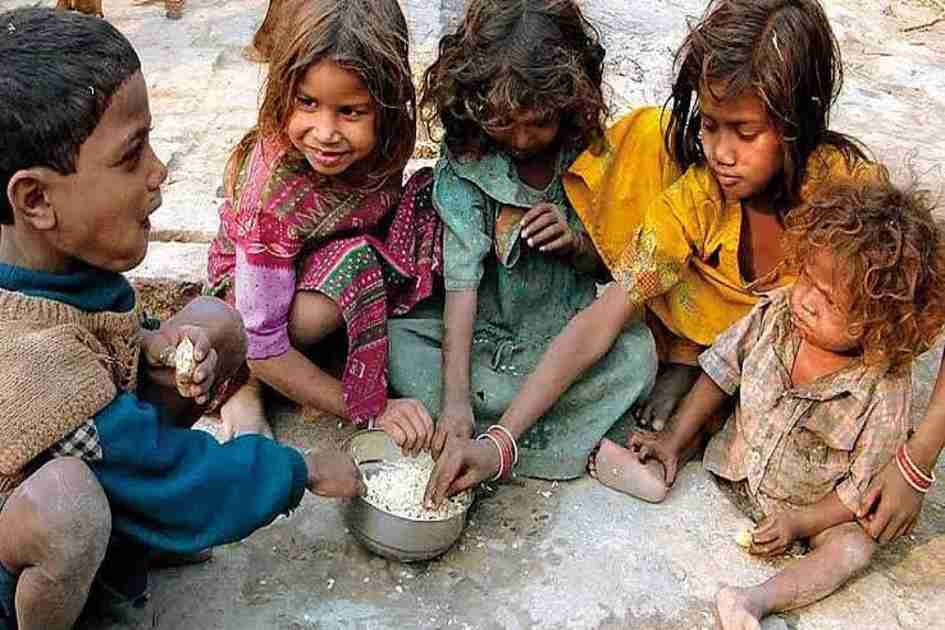



Shrinking farmland, soil decline, climate stress and waste are exposing how Bangladesh’s hunger challenge goes far beyond demographics, demanding smarter production, storage and dietary choices.
Like many developing nations, Bangladesh is seeing its population grow at a fast pace. Making sure everyone has access to enough safe food has become one of the most pressing challenges the country faces today. The United Nations Food and Agriculture Organization identifies four pillars of a sound food security system: availability, access, utilization and stability. A recent report found that even though Bangladesh’s food security situation improved somewhat at the start of 2025, more than 15 million people were still living with severe food insecurity. That raises an uncomfortable question. Is population growth alone to blame for our food crisis, or do broader failures in food management and structural weaknesses share equal responsibility?
Over the past two to three decades, Bangladesh’s population has grown substantially, and per capita food demand has climbed several times over as a result. A study by the Bangladesh Rice Research Institute projects that by 2050 the population will reach around 215.4 million, requiring roughly 44.6 million tons of rice a year, a target achievable only if cultivable rice land does not shrink further. While the country is largely self-sufficient in rice, it remains heavily dependent on imports for other essentials. Wheat, various pulses and edible oil are imported in large volumes, putting serious pressure on foreign currency reserves.
As the population grows, unplanned urbanization is spreading to house more people. Industrialization, road construction and riverbank erosion are all eating into arable land at an alarming rate. According to the Bangladesh Bureau of Statistics, cultivable land fell from 2.008 million acres to 1.983 million acres between 2020 and 2023, a one percent drop in just three years, the steepest decline in a decade.
Even as farmland shrinks, output per acre has risen considerably over the past few decades thanks to high-yielding seed varieties, expanded irrigation and farm mechanization. But that upward trend in productivity is now beginning to stall. Decades of heavy and poorly regulated use of chemical fertilizer and pesticide have left harmful pests more resistant while steadily degrading the soil’s natural fertility.
Agricultural research suggests the health of Bangladesh’s soil is now under serious threat. Beneficial soil microbes and organic matter have declined sharply. Groundwater is also under strain, with excessive extraction pushing water tables lower each year. Climate change is compounding all of this. Rising sea levels are increasing salinity in farmland across the south, while the north battles prolonged drought, sudden flooding and intense heatwaves that disrupt harvests. One Intergovernmental Panel on Climate Change projection suggests that by 2050, the combined effects of shifting rainfall patterns, rising temperatures, floods, drought and salinity could reduce rice and wheat production in Bangladesh by around 8 percent and 23 percent respectively, compared to 1990 levels.
The farmers who grow the country’s food are themselves in a difficult position. Rising costs for fertilizer, seed and fuel, combined with unfair prices for their harvests, are pushing many into losses. As a result, young people are turning away from farming altogether, leaving the sector increasingly dependent on older farmers. Most farming households in Bangladesh are smallholders with very limited land, which means the pressure from disappearing farmland falls hardest on exactly the people least equipped to absorb it. Meanwhile, food price inflation is eroding the purchasing power of ordinary citizens, hitting the poor hardest and deepening the cycle of poverty.
A significant share of the food we work so hard to produce ends up wasted through our own mismanagement. According to the food minister’s statement in parliament, citing the United Nations Environment Programme Food Waste Index 2024, Bangladesh loses around 3.5 million tons of food every year. Weak supply chains, a lack of cold storage and poor market management mean that a large amount of produce is lost before it ever reaches consumers. At the consumer end too, particularly in restaurants and at social events, enormous quantities of prepared food are thrown away, a wasteful habit the country can ill afford during a food crisis.
Nutrition rarely gets the attention it deserves in conversations about food security. Having enough calories does not automatically mean people are properly nourished. Bangladesh Bureau of Statistics data bears this out. In 2021, per capita availability of fruit stood at just 11.15 grams and vegetables at 6.48 grams, both far below what nutritionists recommend. Bangladeshi diets remain overwhelmingly rice-centered. From a nutrition science standpoint, reducing this dependence on rice in favor of alternative grains and a more diverse diet is long overdue. Shifting away from meat toward more plant-based protein would also carry real benefits, both environmentally and for personal health.
Natural farming methods could offer a valuable path toward restoring soil health and biodiversity. Without chemical fertilizers and pesticides, production costs fall and long-term environmental sustainability improves. But the approach has real limitations too. Yields often drop in the early stages of transition, which could trigger immediate shortfalls given the scale of the population’s food needs. Rather than relying solely on natural farming, a balanced combination of science-based modern agriculture and natural methods is likely the more realistic path forward.
Comparing the past two to three decades with the present reveals some stark contrasts. Technology and yields have certainly improved, but so have import dependence, farmland loss, climate risk and food waste, all rising in parallel. On the nutrition front, both calorie and nutrient deficits were common in the past. Today calorie availability has improved, but fruit and vegetable availability still falls short of what is needed, meaning nutritional gaps persist.
Taken together, the evidence makes clear that Bangladesh’s food security crisis is complex and multi-layered. Pinning it entirely on population growth does not hold up. Population growth is certainly a major challenge, but so are the continuing loss of farmland, the adverse effects of climate change, soil degradation, widespread food waste, weak supply chains and economic inequality. With the population expected to approach 215 million by 2050, there is no alternative to changing current trends. Securing the country’s food future will require protecting farmland, restoring soil health, cutting food waste, blending science-based and natural farming methods and building healthier dietary habits. Only with the right policies and better management in place can Bangladesh build a future that is both free of hunger and properly nourished.




