

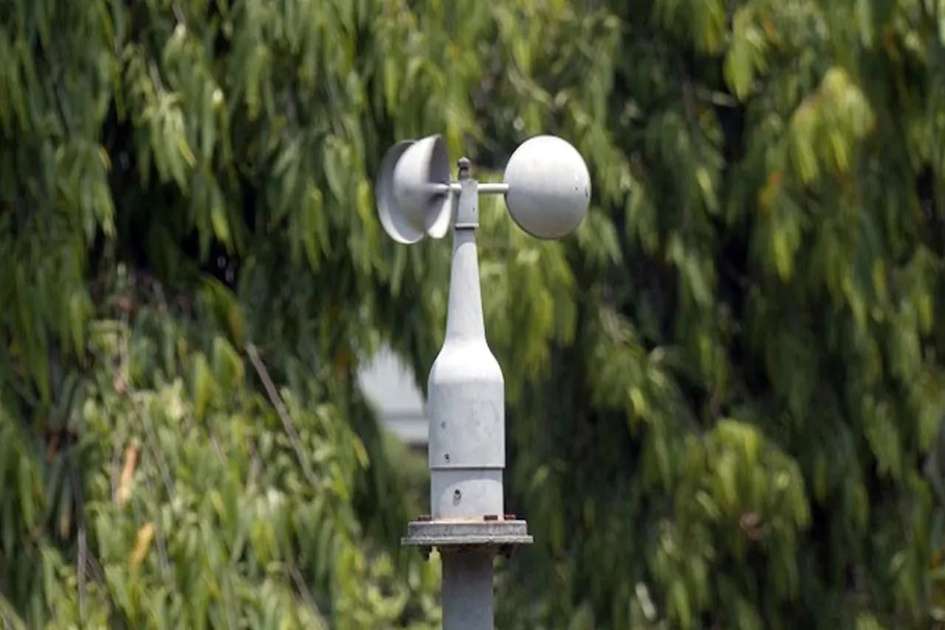

Misplaced emergency contact details, compromised data portals and stalled radar stations have exposed governance and maintenance gaps in Bangladesh’s climate adaptation and disaster risk systems amid rising floods, landslides and extreme rainfall.
Faulty helpline, hacked government websites and inactive weather radars expose vulnerabilities in the disaster preparedness of one of the world’s most climate-vulnerable nations
As Bangladesh faces severe flooding, landslides and extreme rainfall, the country’s disaster warning system has come under intense scrutiny after cyberattacks targeted key weather and water monitoring platforms while all five Doppler weather radars remained out of operation.
For a nation on the frontline of climate change, the failures have raised serious questions over the reliability of emergency information systems designed to protect millions of vulnerable people from increasingly frequent and intense weather disasters.
Bangladesh, one of the world’s most climate-vulnerable countries, is experiencing rising climate risks, including floods, cyclones, river erosion, heatwaves and extreme rainfall. With millions of people living in flood-prone and coastal areas, accurate and timely early warning systems are considered a critical defence against climate disasters.
Unemployed youth becomes unofficial weather helpline operator
The crisis was highlighted by an unusual discovery: the emergency contact number displayed on the official website of the Bangladesh Meteorological Department, the government agency responsible for weather forecasting and meteorological services, did not belong to any government office or meteorologist. Instead, it was the personal phone number of an unemployed young man in Savar, on the outskirts of Dhaka.
For nearly two and a half years, Masud Rana, a resident of Shimulia union in Ashulia, Dhaka, has been receiving calls from citizens and journalists seeking weather updates.
“I do not know how my number was added to the official website as an emergency contact. For the last two and a half years, people have been calling me every day to know about the weather, and I have been answering them as much as possible,” Rana said.
Rana said he has been struggling financially due to unemployment and believes the authorities should recognise his contribution.
“For two and a half to three years, I have been receiving people’s calls. Since the Meteorological Department used my number and I patiently responded to everyone, they should at least give me a job,” he said.
Cyberattacks expose digital security gaps
The helpline controversy emerged as Bangladesh faced another major setback: cyberattacks on two important government websites on July 10, the radar platform of the Bangladesh Meteorological Department and the Hydrology Department website of the Bangladesh Water Development Board, the government agency responsible for water resources management.
American Meteorological Society member and Bangladeshi-origin meteorologist Mostafa Kamal Palash confirmed the incident, saying that while the main meteorological website remained operational, the radar platform had been targeted, disrupting access to live weather information.
Screenshots showed that the Rangpur radar website was displaying unrelated content instead of real-time weather data. The Hydrology Department website was also hacked, with offensive messages and images posted.
Online users speculated about the possible identity of the attackers, but no independent confirmation has been made.
Officials later regained control of the websites. However, experts said the incident highlighted weaknesses in protecting critical government digital infrastructure.
Five Doppler radars remain inactive
The cyberattack came amid growing concern over Bangladesh’s entire Doppler radar network.
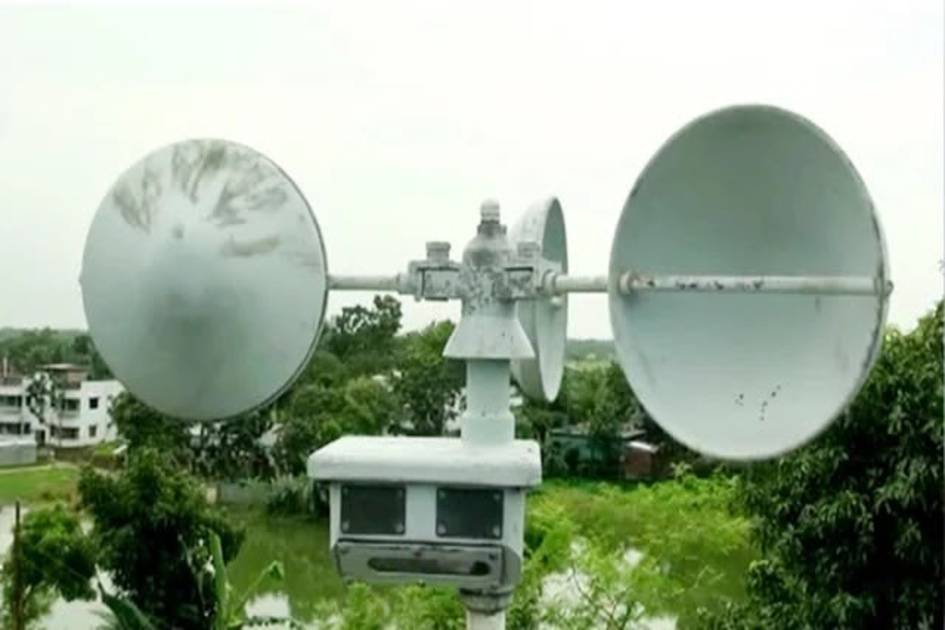
The Bangladesh Meteorological Department operates five radar stations in Dhaka, Rangpur, Moulvibazar, Cox’s Bazar and Khepupara in Patuakhali. However, all are currently facing operational problems.
Experts warn that the failure of these systems is particularly concerning at a time when Bangladesh is witnessing more frequent extreme weather events.
The Rangpur radar, which became operational after more than a decade of inactivity, stopped working again on June 17.
Mohammad Mostafizur Rahman, head of Rangpur Meteorological Office, said the problem was related to the radar’s electricity supply system.
“Our previous conventional radar became completely unusable, and a new Doppler radar was installed. It had been running for about a year. On June 17, our AVR electricity power supply system developed an internal problem,” he said.
“Since it is under warranty through JICA, we have informed them. They tried to solve the issue through video conferencing, but it has not been resolved yet,” he added.
Coastal communities face greater risks
The Cox’s Bazar radar, one of the country’s most important systems for monitoring cyclones and Bay of Bengal weather patterns, has remained inactive since August 2023.
Md Abdul Hannan, assistant meteorologist at Cox’s Bazar Meteorological Office, said the radar had not been restored despite efforts.
“Since August 2023, the radar has been out of operation. Our engineers have tried, but it has not become active,” he said.
“We collect observations through the radar and send them to Dhaka, as well as to local administration and journalists. Now we cannot provide that information, so that work has stopped,” he added.
The Khepupara radar in Patuakhali has also been inactive for around eight years, despite its importance for coastal communities vulnerable to cyclones and storm surges.
Debate over the importance of radar
Officials said several radars became inactive because of outdated equipment, expired warranties and difficulties in obtaining spare parts.
Nurul Karim, deputy director (acting) of the Bangladesh Meteorological Department, said radar was only one component of forecasting.
“Radar is not the main tool for forecasting; it is only a supporting instrument. Every radar has a specific lifespan. Three radars have exceeded their operational life, and work is underway to replace them,” he said.
Former BMD director Samarendra Karmakar said forecasts could continue using other tools but acknowledged the importance of radar for immediate warnings.
“Forecasts can still be made even if radars are not functioning, provided there are skilled meteorologists. Other tools are available, including weather maps and satellite images,” he said.
“If radar is available, it improves nowcasting, or short-term, precise and immediate forecasting. During thunderstorms, if we can see the movement animation, it becomes easier to determine where the storm is heading and when it will reach an area,” he added.
“Earlier, during the monsoon season, people rarely died from such events. But now 15 to 20 or even 30 people die during the rainy season. That is why restoring these radars is urgent,” he said.
Climate and weather researcher Mostafa Kamal Palash of Canada’s University of Saskatchewan said modern forecasting depends heavily on radar technology.
“Weather forecasts are never 100 percent accurate because they are based on probability models. However, Doppler radars collect new information every five minutes,” he said.
“For events like thunderstorms, hailstorms and severe storms, accurate information is only possible through radar. There is no alternative to radar in modern weather forecasting systems,” he added.
Climate adaptation requires stronger warning systems
Sohanur Rahman, executive coordinator of YouthNet Global, said the weaknesses in Bangladesh’s weather forecasting infrastructure must be viewed through the wider lens of the climate crisis and the country’s urgent adaptation needs.
“As climate change intensifies extreme weather events, reliable forecasting and early warning systems are no longer optional; they are a lifeline for millions of people on the frontline of the climate crisis. Strengthening weather monitoring capacity is a critical part of climate adaptation, disaster risk reduction and protecting vulnerable communities,” Rahman said.
He said climate-vulnerable countries need investment not only in emergency response but also in resilient infrastructure, technology and locally accessible climate information.
“Communities cannot adapt to what they cannot anticipate. Accurate, timely and accessible weather information empowers people to prepare, protect their livelihoods and reduce climate-related losses and damages,” he added.
A warning beyond technology
The failures have raised broader questions about governance, maintenance and accountability in Bangladesh’s disaster preparedness system.
For a country already facing the growing impacts of climate change, the breakdown of warning infrastructure is not merely a technical problem; it is a matter of public safety.
As extreme weather events intensify, Bangladesh’s ability to protect its people will increasingly depend on whether its warning systems can be restored, secured and properly maintained.
The skies may eventually clear and damaged systems may eventually return online. But experts warn that delays in fixing these vulnerabilities could result in avoidable losses of lives, livelihoods and public trust.




