




Adolescent girls and youth leadership can bring renewed momentum to climate risk reduction efforts, State Minister Sheikh Faridul Islam said, emphasizing that awareness and collective civic engagement can influence policy decisions.
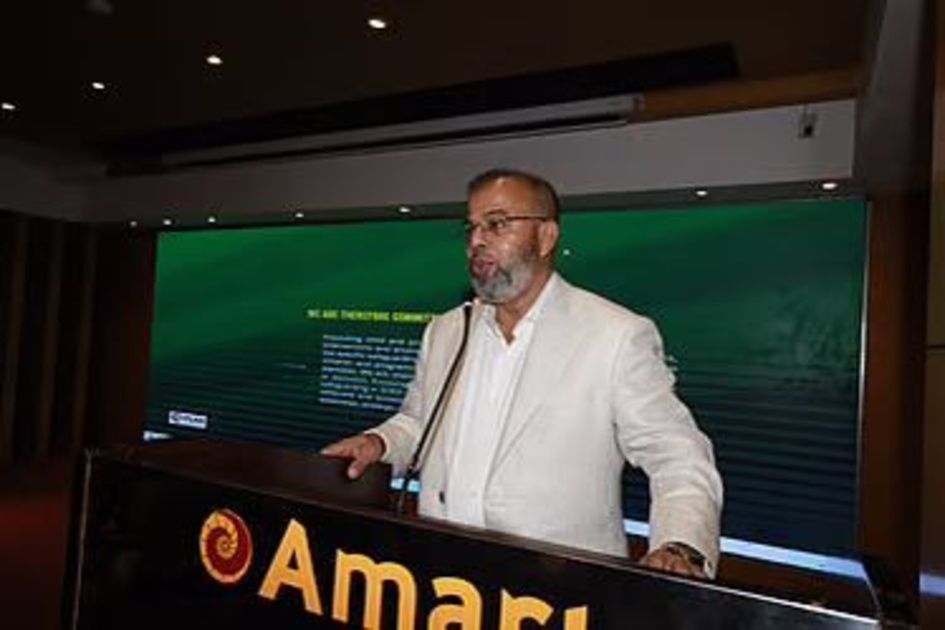
Speaking as the chief guest at the launch of the “Durbar Kanya Programme Model” organized by Plan International in Gulshan, Dhaka, he said his experience during the movement against the Rampal power plant demonstrated how sustained public awareness and advocacy can shape government thinking.
“If young people take initiative, the government is compelled to listen,” he said.
The minister said major climate adaptation and nature-based solution programmes are already underway under government planning, including large-scale afforestation initiatives and river and canal re-excavation efforts. He reiterated that these programmes are part of broader national adaptation strategies rather than new announcements.
He stressed that climate impacts differ across regions of Bangladesh and therefore require locally tailored responses. Coastal, riverine, hill and flood-prone areas face distinct vulnerabilities, he said, highlighting Khulna, Bagerhat, Satkhira, Barguna, Patuakhali and Bhola as areas requiring stronger climate resilience interventions.
The State Minister, speaking in his capacity linked to the Ministry of Environment, Forest and Climate Change, also identified pollution and waste management as growing challenges. He referred to the impact of industrial waste on agricultural land and called for stronger enforcement and greater youth engagement in tackling environmental degradation, particularly plastic pollution.
He cited recent plastic waste removal efforts in Cox’s Bazar as an encouraging example of environmental action and public participation.
On river management and infrastructure development, he expressed concern over the ecological pressures facing major river systems. Referring to the Padma River, he said its flow dynamics had already been significantly altered and cautioned that future infrastructure projects should carefully consider environmental and riverine impacts to avoid placing further stress on natural systems.
Earlier in the programme, Kabita Bose introduced the “Durbar Kanya Programme Model,” describing it as a long-term vision and approach rather than a standalone project. She said it aims to position adolescent girls not only as beneficiaries but also as future leaders in climate adaptation and resilience building.
She emphasized that climate impacts are unevenly distributed, with coastal girls, char dwellers and women in haor regions facing distinct and heightened vulnerabilities. She called for inclusive, context-specific and locally grounded solutions to ensure effective climate action.
The event in Dhaka brought together environmental practitioners, development professionals, embassy representatives and youth leaders, reflecting growing emphasis on youth participation in Bangladesh’s climate resilience agenda.




