

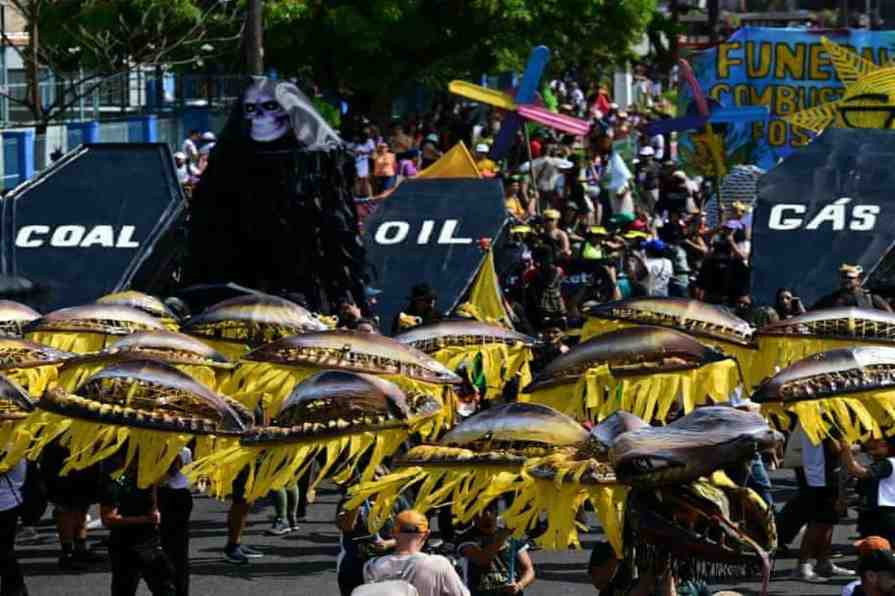



A growing North-South alliance is demanding a clear fossil fuel phase-out roadmap at COP30, as Brazil pushes an accelerated negotiation plan to secure early breakthroughs on climate finance and transition language, setting the stage for one of the summit’s defining political battles.
A broad coalition of countries from both the Global North and South united on Tuesday at COP30 to demand a clear, time-bound global roadmap to transition away from fossil fuels, as host nation Brazil intensified diplomatic efforts to secure an early breakthrough on the summit’s toughest negotiating tracks.
Brazil’s presidency stunned delegates with an ambitious two-stage strategy that kept negotiations running well past midnight. The plan aims to lock in an initial package of agreements by Wednesday, including language on transitioning away from fossil fuels and long-delayed climate finance commitments, before pushing remaining files to conclusion by Friday. One European negotiator called the move “bold and risky,” warning it could raise expectations faster than consensus can form.
Momentum accelerated after the release of the first draft of the “Global Mutirão Decision” on Tuesday morning. Inspired by Brazil’s concept of collective work, the draft consolidates long-stalled issues spanning climate finance, transparency, trade, and the widening gap between current national climate plans and the emissions cuts needed to keep warming to 1.5°C. Importantly, the document includes optional wording on “transitioning away from fossil fuels,” appearing for the first time in the formal COP30 negotiating text.
Pressure grew at a packed press conference where high-level representatives from Germany, the UK, the Marshall Islands, Sierra Leone, Kenya and others stood side by side to demand stronger language. Marshall Islands climate envoy Tina Stege warned the current text is “far too weak” and must be fortified and adopted. UK Energy Secretary Ed Miliband insisted that a fossil fuel roadmap “must be at the heart of COP,” while youth leader Marcele Oliveira described the effort as “the most important mobilization for climate justice of our generation.”
Bangladeshi youth activist Sohanur Rahman welcomed the rare show of unity, saying the era of fossil fuels is clearly drawing to a close. He stressed that countries like Bangladesh need a roadmap that is just, equitable, and backed by real, accessible finance rather than symbolic pledges.
UN Secretary-General António Guterres returned to Belém on Tuesday and is expected to meet President Luiz Inácio Lula da Silva to reinforce global climate governance and multilateral cooperation. Negotiations continued late into the night as disagreements persisted across key areas. The draft text contains several unresolved options on finance, including a proposed “Belém Facility for Implementation” to help developing nations convert national climate plans into bankable project pipelines.
Other sections remain blank, underscoring the depth of division. Rachel Cleetus of the Union of Concerned Scientists said the draft reflects “real progress” but still falls short of the scale of ambition required at this COP.
Even so, the inclusion of fossil fuel transition language is widely viewed as a significant breakthrough. Whether Brazil’s accelerated negotiating strategy can deliver a final deal will become clearer in the coming days as ministers attempt to narrow political gaps before the week’s end.




