




Two child drownings in Kurigram during Eid highlight Bangladesh’s silent drowning crisis, driven by poor supervision, unsafe water access and climate risks, underscoring urgent need for community-based prevention measures.
Eid celebrations in northern Bangladesh turned deadly when two young children drowned in separate incidents, highlighting persistent water-related risks in rural communities. In both villages, what should have been a day of joy quickly turned into grief and shock.
As families in Kurigram mourn their loss on what should have been a day of celebration, these tragedies underscore a broader national and climate reality: protecting children from drowning is not only a safety issue but also a crucial part of building climate-resilient communities across Bangladesh.
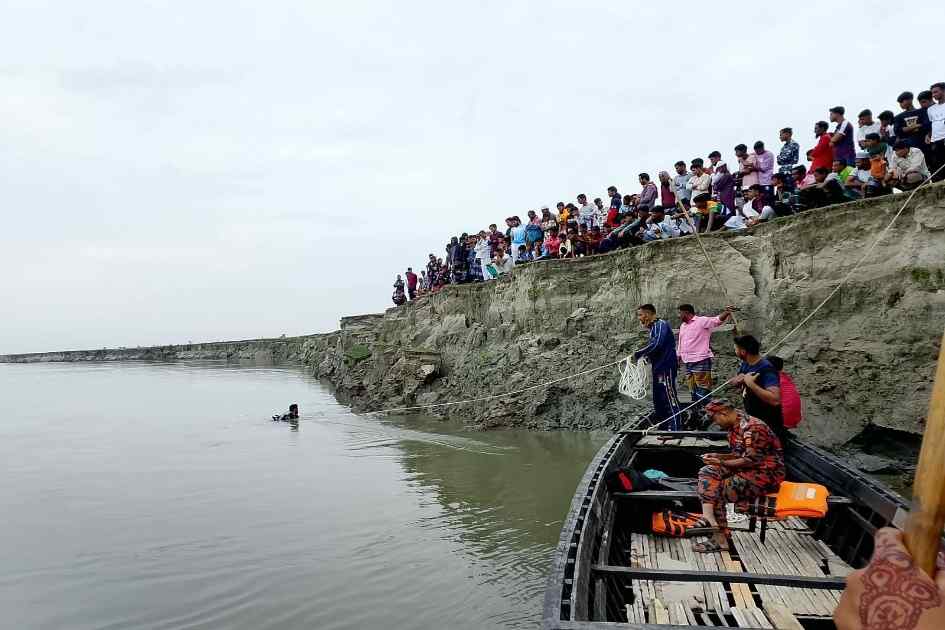
In Char YouthNet village under Jatrapur Union along the Brahmaputra River, six-year-old Munna, also known as Ainul, went missing on Friday afternoon after falling into the river while playing near a moored boat. A second child who witnessed the incident ran home to alert relatives, prompting villagers to rush to the scene. Despite immediate efforts, Munna could not be rescued.
Local sources said the absence of trained divers and overnight rescue efforts delayed the search. On Eid morning, teams from the Fire Service conducted several hours of searching, but the child remains missing. Residents fear strong river currents may have carried him downstream, and authorities have urged nearby river areas including Roumari and Chilmari to assist in the search.
In a separate incident on Saturday morning, a 20-month-old toddler named Momin drowned in a pond in Hirarvita village in Nageshwari upazila. Police reported that Momin, the son of Delwar Hossain, had recently learned to walk and was playing in the yard while his father attended Eid prayers and his mother was busy with household work. The toddler wandered unnoticed to the pond’s edge and slipped into the water. Family members later found his body floating and recovered him, but he could not be revived. Local police confirmed that an unnatural death case has been filed.
“Child drowning is one of the most preventable causes of death in Bangladesh,” said Sohanur Rahman, Executive Coordinator of YouthNet Global. “We urgently need community-based safety systems, awareness and trained responders, especially in riverine areas. Climate change and rising river levels make locally led adaptation and risk reduction more important than ever.”
Scale of a silent crisis
Drowning remains one of the leading causes of death among children in Bangladesh, yet it is largely unnoticed and underreported. A lack of comprehensive policy and limited public awareness continues to put thousands of children at risk every year. Government data show that drowning is the second leading cause of death among children under five.
Estimates suggest that between 14,000 and 18,000 children lose their lives to drowning annually, with around 30 children dying each day. Experts note that nearly 80 percent of these incidents occur within 20 meters of the family home, most often in ponds, ditches or nearby open water bodies. Inadequate supervision contributes to approximately 70 percent of deaths.
Bangladesh has one of the highest drowning rates in the world among children under five, highlighting the urgent need for coordinated national and community-level action.
Prevention and climate adaptation
Evidence shows that drowning is preventable through low-cost community-based solutions. Increasing awareness among families, teaching children basic swimming and water safety skills and ensuring safe childcare for young children can significantly reduce risks. National policies, sustained investment and local implementation are essential for effective prevention.
Bangladesh has played a leading role globally in raising awareness about drowning. The country co-sponsored the first United Nations resolution on drowning prevention, adopted on April 28, 2021, which led to the designation of July 25 as World Drowning Prevention Day. The annual observance highlights the devastating impact of drowning on families and communities while promoting practical life-saving measures.
Climate Change is intensifying river floods, erosion and unpredictable water levels, increasing drowning risks in riverine communities. “Locally led adaptation measures, such as community watch programs, early warning systems and safe play areas, are essential to protect children in vulnerable areas,” added Sohanur Rahman.
Implementing low-cost interventions, providing safe play and childcare facilities and promoting swimming and water safety education can save thousands of lives annually. Integrating these strategies into climate adaptation plans strengthens community resilience and safeguards children as river communities face increasingly volatile water conditions.




