

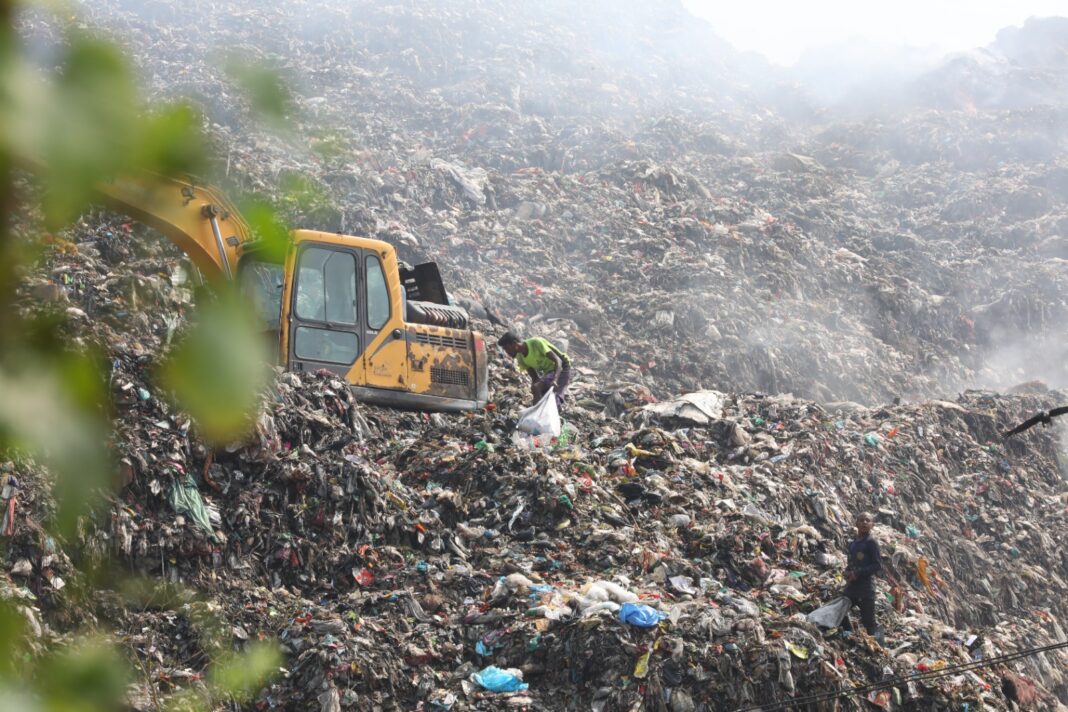



Chattogram generates around 3,200 tonnes of waste daily but collects only 2,200 tonnes, leaving about 1,000 tonnes uncollected as overflowing dumps and toxic leachate contaminate farmland, canals and the food chain. A 2025 study found children living near the city’s open landfills facing severe health impacts, with 67.6% suffering vomiting, 62.9% diarrhoea and 58.8% breathing difficulties.
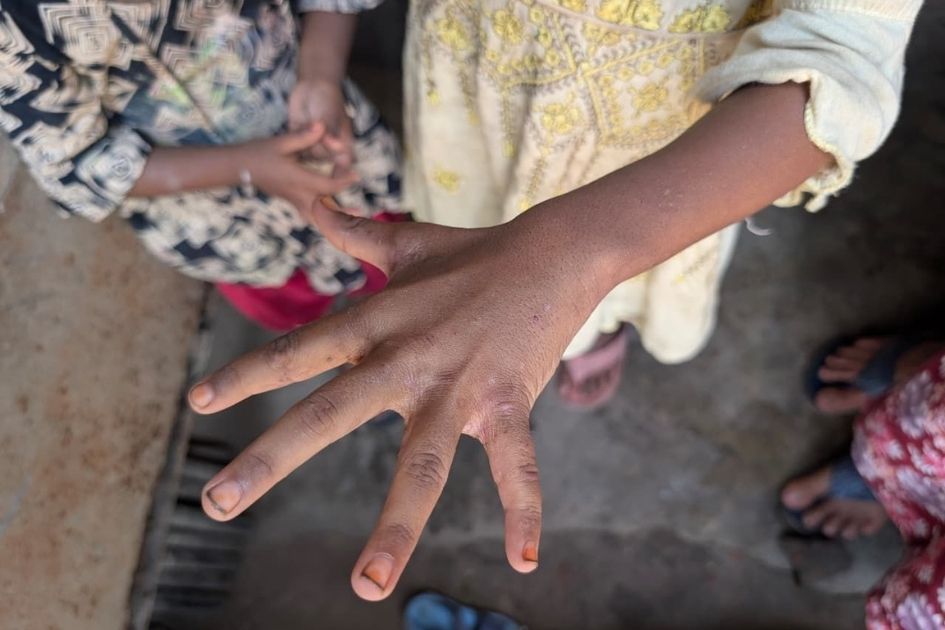
Water flows through a pipe into a bucket that has turned yellowish in colour. While washing clothes, the wound on Suraiya’s right hand began to burn when soapy water touched it. For three years, she has suffered from itching and wounds have spread over a large area of her hand. There are 7-8 rooms side by side, with tin roofs and walls made of bamboo all around. The rooms become extremely hot under the sun, while in winter they become bitterly cold and the itching doubles.
She has been living for nearly 15 years in that cramped tin house beside the 10-acre garbage dumping ground at Anandabazar Bazar with her two young children and husband.
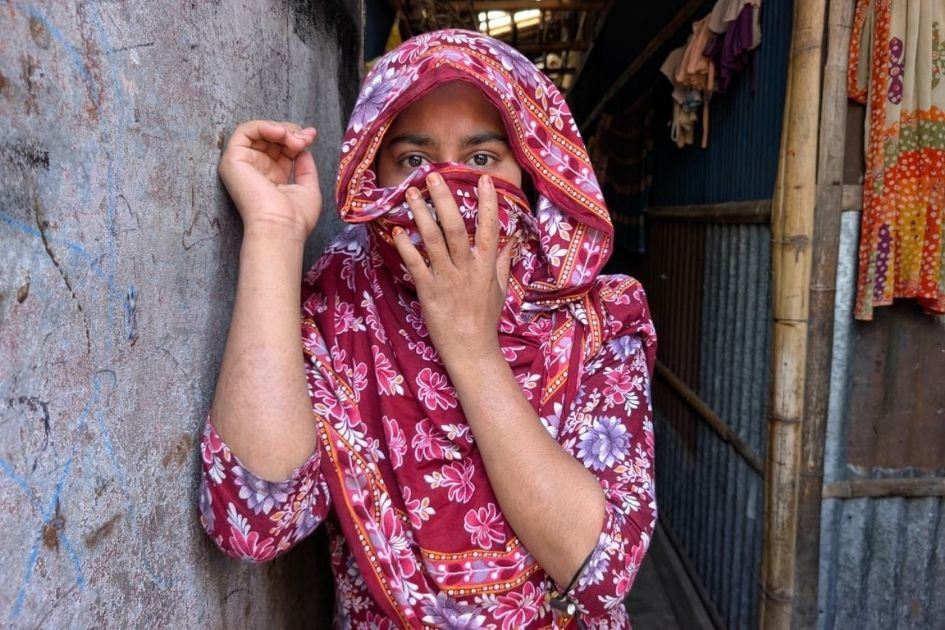
Her hair once fell down to her waist, but now her scalp is visible. Her hair has fallen out due to the use of saline water. There is no WASA water supply, so they are forced to use tube-well water. They have to buy drinking water from shops. They have to pay Tk 10 for one jug of water.
Suraiya has two children, both daughters. She suffers from constant itching on both hands. She said her children suffer from diarrhoea throughout the year.
Chattogram city has mainly two major dumping stations or garbage dumping grounds under the City Corporation. One is at Anandabazar in Halishahar, covering 10 acres, and the other is at Arefin Nagar in the Bayezid Bostami area, covering 73 acres. Thousands of tonnes of waste collected daily from different wards of the city are dumped at these two sites.
A major crisis has emerged in Chattogram’s waste management. Although around 3,200 tonnes of waste are generated in the city every day, Chattogram City Corporation is able to collect only 2,200 tonnes. As a result, around 1,000 tonnes of waste remain uncollected every day, part of which ends up on roads and in drains, canals and water bodies, increasing waterlogging, environmental pollution and public health risks.
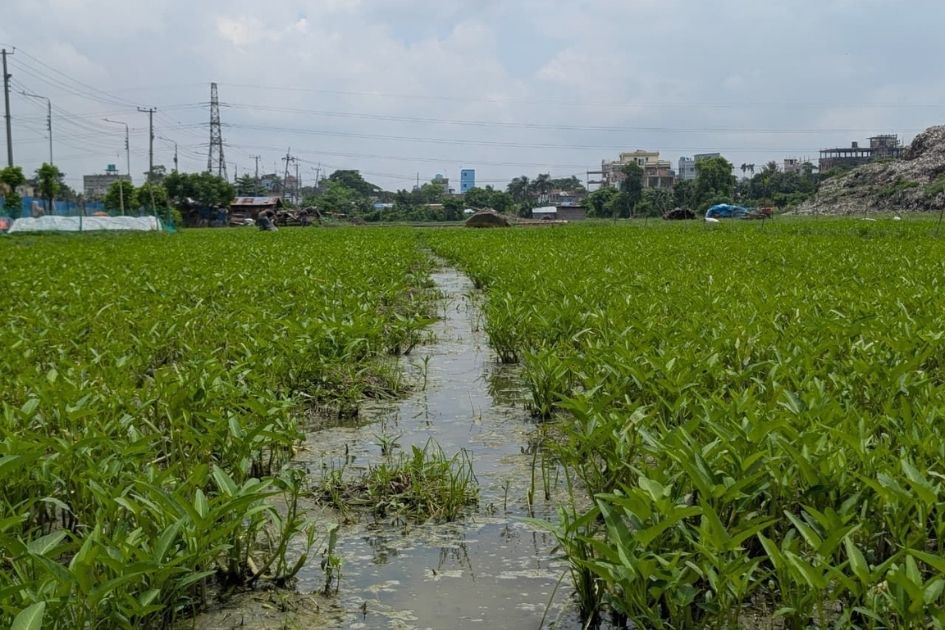
A farmer named Md Mizan was working in a jute field under the scorching sun. He has been living in the Anandabazar Bazar area of Halishahar since 2002. He cultivates land beside the dumping station.
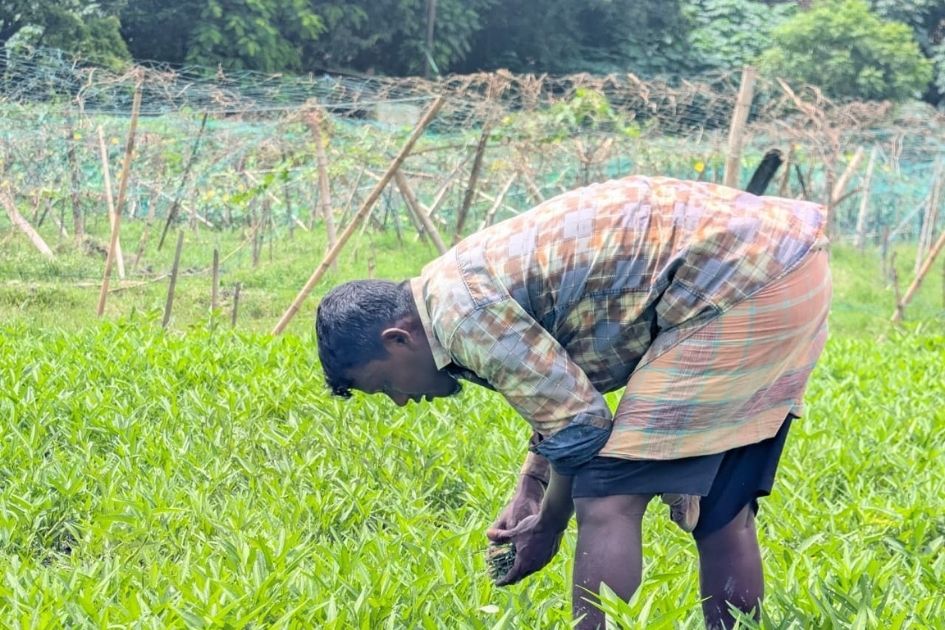
He said that two months ago, because of heavy rain, wastewater from the garbage entered the farmland and damaged the land. He said each farmer suffered losses of Tk 200,000 to Tk 250,000. Farmers there grow tomatoes, Malabar spinach, jute leaves, cauliflower and various kinds of vegetables. They sell those vegetables in the city.
Sujan works on farmland across the road from the land of the dumping station. He came from Lalmonirhat. He said the dirty water from there does not cross the road and does not enter those fields, so the crops are good.
He further said that if Tk 200,000 is spent cultivating 40 decimals of land beside the dumping station, it is difficult even to recover the costs. But across the road, an investment of Tk 200,000 can bring around Tk 400,000 in profit.
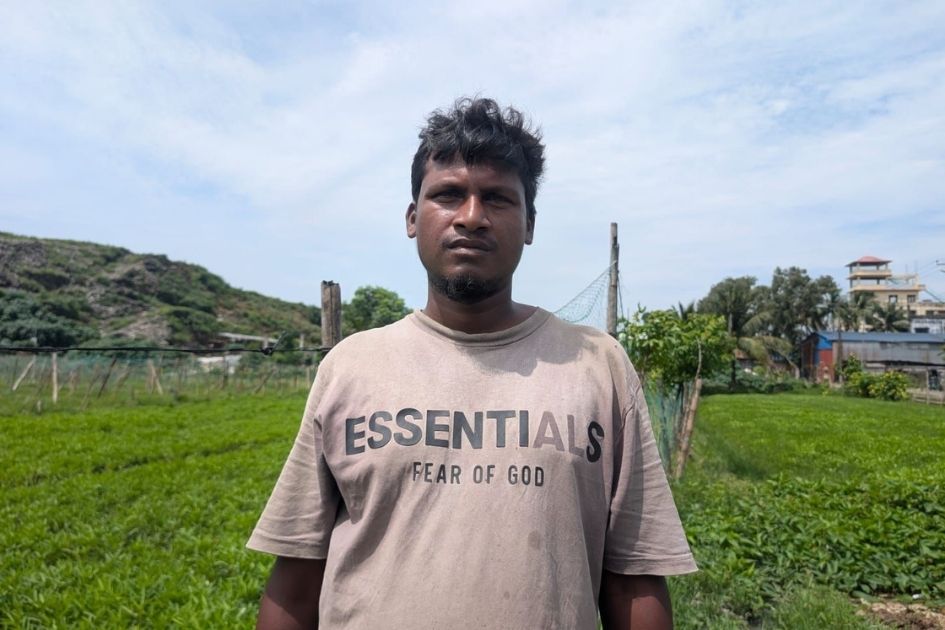
Hamid Hasan Alvi spoke with a sense of frustration about the farmers. He operates a farm there and cultivates crops on the land. He said that even after spending Tk 3 million to Tk 3.5 million on his 11 acres of land, he cannot recover his basic costs. He therefore said he would stop farming from the new year.
There was a canal beside the dumping station. Polluted wastewater from the garbage used to flow directly into the canal and then into the sea. It did not enter the farmland. But the canal has filled up and the wastewater now flows directly onto the land.
He has 13 cows. He brings grass from far away to feed them. Animals that eat grass from this area suffer from various diseases. In addition, wastewater from the garbage floods land where fodder is cultivated for livestock, creating a food shortage during the rainy season every year. As a result, they have to depend on grain-based or dry feed.
Local residents said water from drains is used for cultivation. It directly mixes with the crops, which then go to markets in the city. The toxic substances then enter the human body.
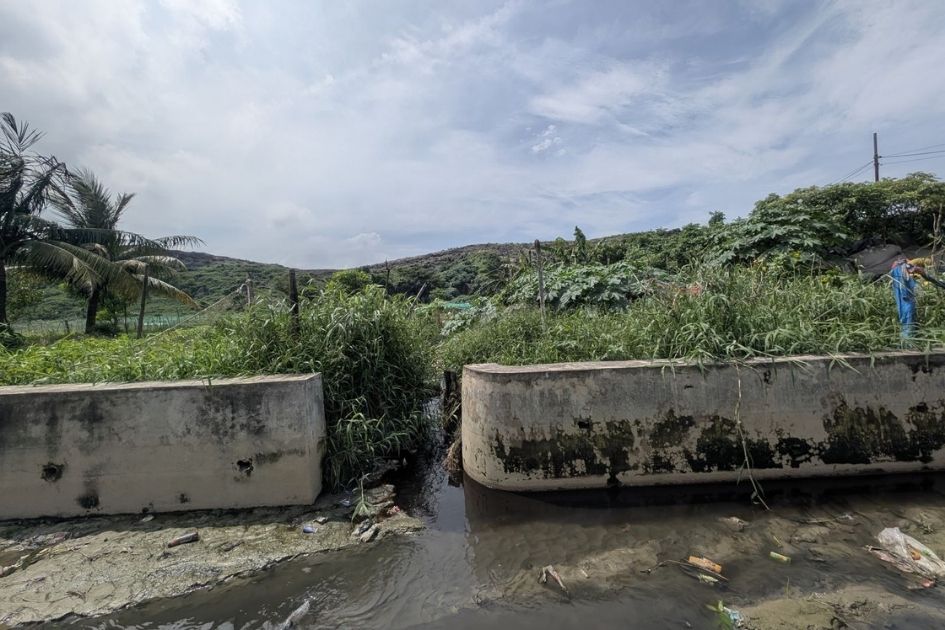
Local residents alleged that although plastic waste is supposed to be disposed of through a specific process under JICA’s waste management activities, it is currently being sold. Residents claimed that the plastic waste is being sold under the supervision of the responsible officials.
Environmentalist Idris Ali said Chattogram’s unplanned waste management and dumping stations have become a serious threat to the environment, agriculture and public health. Toxic leachate and heavy metals released from the waste are contaminating soil, water and the food chain. This is damaging crops on surrounding agricultural land and creating various long-term health risks for local people.
In 2025, Alak Pal, Fahmida Yasmin, Md Adil Shahriar, Md Rafat Hossain, Samrina Jamal and Eco Talukder of the Department of Geography and Environmental Studies at the University of Chittagong, together with Tapan Kumar Nath of the University of Nottingham Malaysia, jointly conducted a study titled “Environmental and Health Risks of Open Landfill in Chittagong City, Bangladesh”.
The study was conducted at the two main open dumping sites of Chattogram City Corporation, Arefin Nagar and Anandabazar. Data were collected through a total of 250 questionnaires from 170 respondents/households living around the dumping sites and 80 waste collectors or cleaning workers. In addition, four focus group discussions were held with local residents and waste workers, and five key-informant interviews were conducted with City Corporation officials and doctors.
The study found that among local residents, 38.2 percent suffered from eye irritation, 27.9 percent from hepatitis and 23.5 percent from headaches. Among waste collectors, 51.3 percent reported headaches, 43.6 percent skin problems and 42.1 percent nausea.
Children faced the greatest health risks. Among them, 67.6 percent were reported to suffer from vomiting, 62.9 percent from diarrhoea and 58.8 percent from breathing difficulties. The study also mentioned an increase in the presence of flies, mosquitoes and rats around the dumping sites.
City Corporation vehicles enter one after another. They dump the garbage and leave. As soon as the garbage is dumped, some women come and collect plastic. Mayrun Begum was collecting plastic from among the waste.
She works from 9:00 am to 5:00 pm. She earns Tk 300-400 a day. She suffers from itching on her hands and feet and from breathing difficulties.
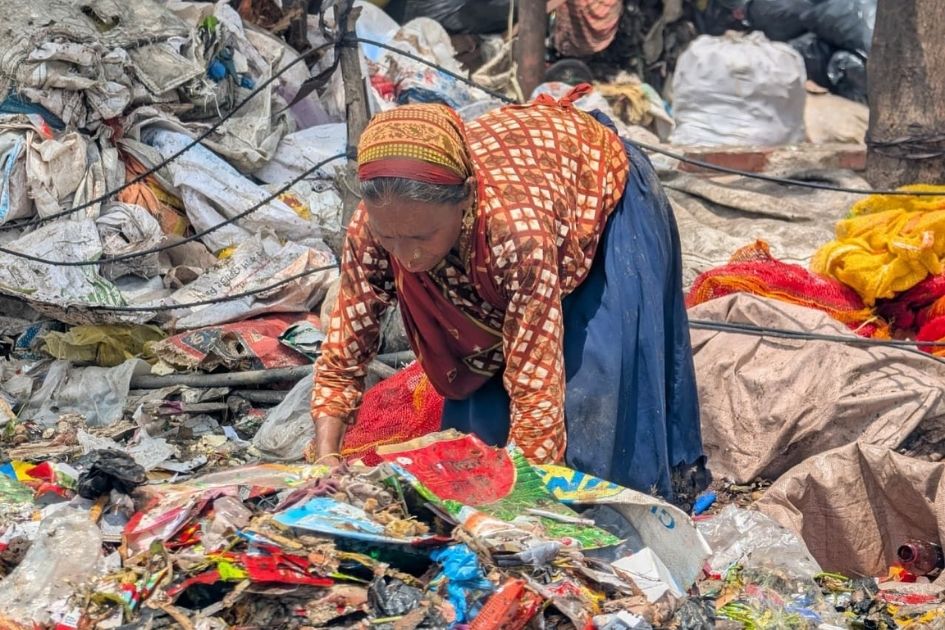
Suddenly, a piece of glass from medical waste became lodged in Asma’s foot and cut it. Even then, she continued working. She came from Bhola, where their home was lost to river erosion. She works here all day. She has to support her family with the money earned from selling plastic.
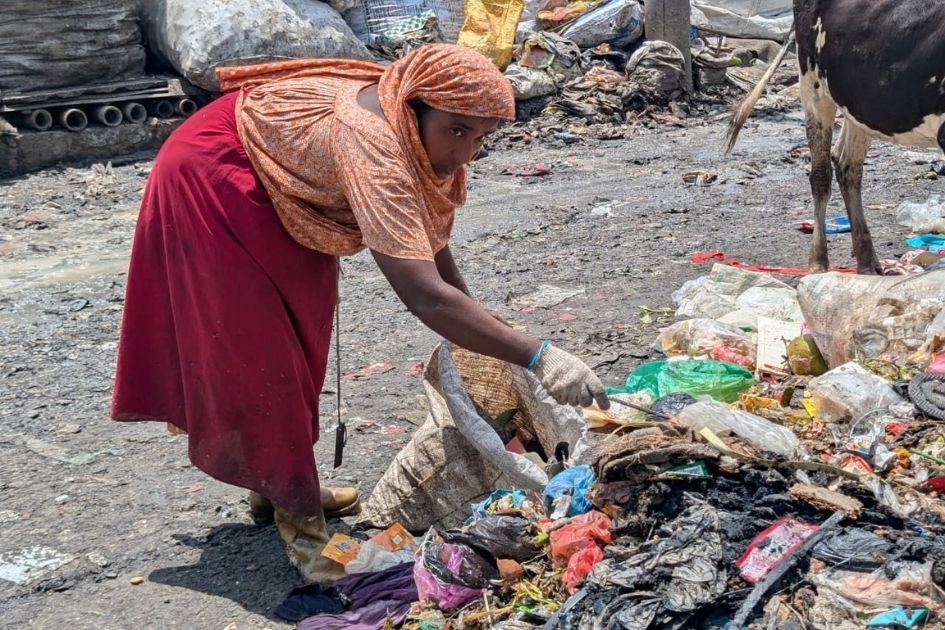
Professor Dr Md Iqbal Sarwar of the Department of Geography and Environmental Studies at the University of Chittagong:
The City Corporation lacks sufficient manpower. Household, medical and industrial waste is being piled up together like mountains without being separated. This problem has been created due to the lack of sustainable waste management.
Polluted leachate mixes with the soil and makes it toxic, reducing crop production. Crops grown in this polluted soil are certainly harmful to health, but long-term research is needed to understand the specific impacts.
Plastic waste breaks down into “microplastics” and enters our food chain through soil and water. As a result, microplastics are being found in human blood and the brain, causing cancer and having negative effects on different organs and hormones in the body.
Because of those landfills, not only the soil and crops but also the surrounding air is being severely polluted. The expert said this air pollution could also threaten the nearby airport, Patenga sea beach and the tourism industry.
Cleaning workers involved in waste management are given only gloves or shoes, but they are not given proper training. If they were given proper training, they could manage the waste better.
Nadia Begum has her two-year-old child in her lap. She said they suffer from diarrhoea throughout the year. Her two children suffer from burning eyes, allergies and eye problems.
Two-year-old Nahid has suffered from breathing difficulties since childhood. Because of poverty, they have no opportunity to leave this area and move elsewhere.
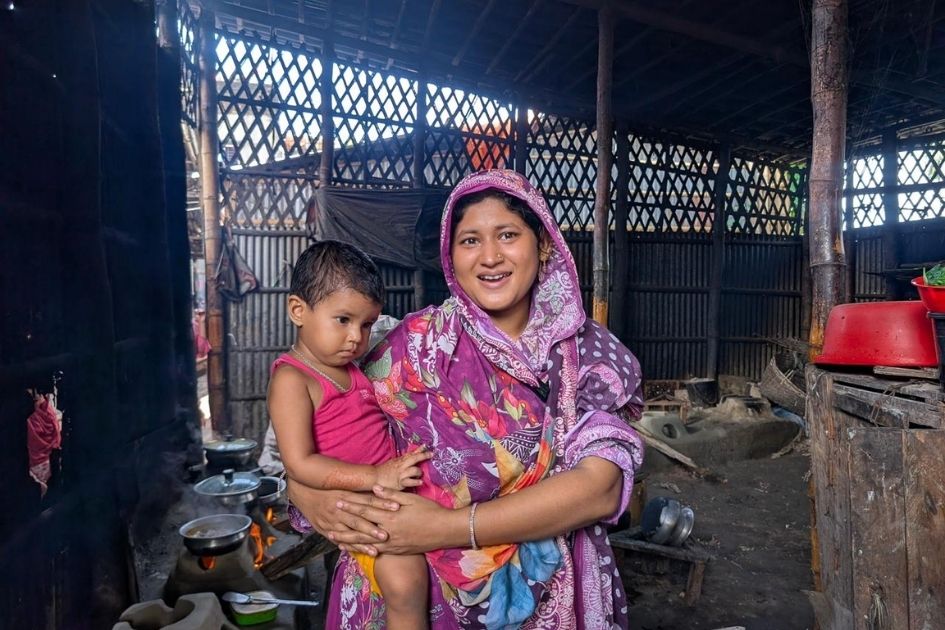
In this way, people continue living beside the garbage dumping ground day after day with various problems.
Thousands of people live beside the garbage dumping ground built over 73 acres in Arefin Nagar in the Bayezid Bostami area. Toxic black water from the garbage dump seeps from drains into canals and then flows from the canals into the sea.
Several children were walking through dirty water while holding their noses. They said the smell causes them distress. During the rainy season, when they go to school or madrasa, they are made to stand outside.
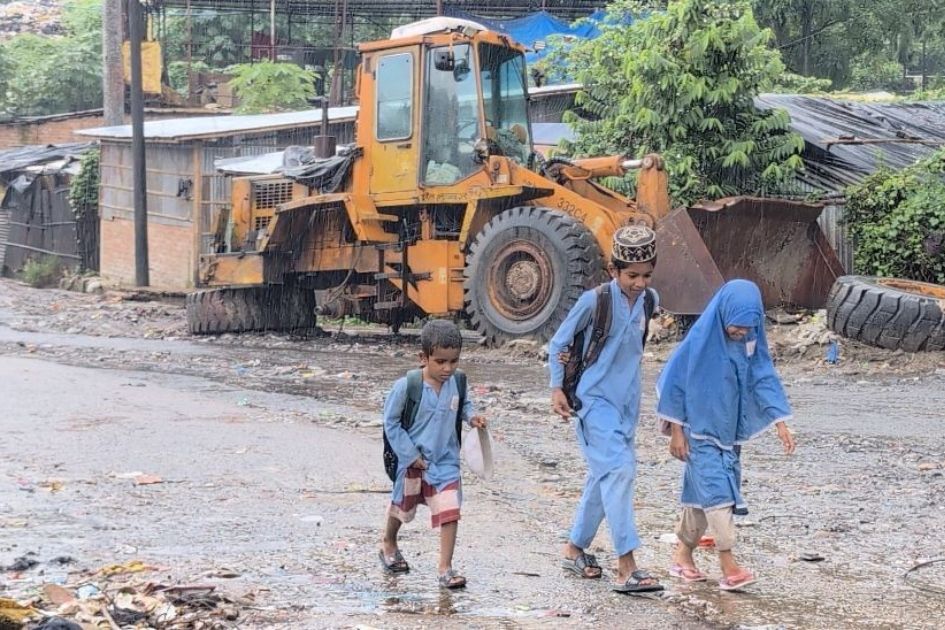
Ayesha Hossain has one son. He studies in Class 2 at Bornomala educational institution. Their home is beside the dumping station at Afminagar on Link Road. During the rainy season, the water comes onto the road, and as a result they are made to stand at school for two to three hours.
Everyone’s children face these problems. Drivers do not allow them into their vehicles, and no one wants to marry a girl from this area. She said students going to schools and madrasas suffer during the rainy season.
A boy is walking through garbage wastewater. He is wearing a panjabi and his name is Sarwar. He studies at a nearby madrasa. When it rains, they do not go to school because they are considered dirty and are not allowed to enter the madrasa.
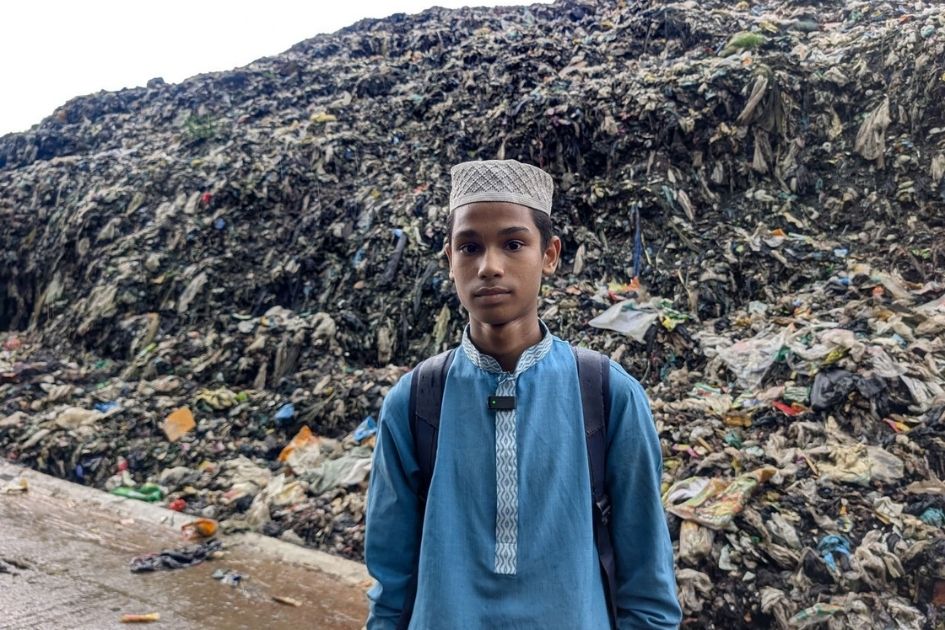
Water from the garbage dumping ground flows directly into the canals. The city’s canals and river have turned into piles of garbage.
Every day, 2,200 tonnes of waste enter the Karnaphuli River through 36 canals and drains in the city. The city has 52 canal and drain outlets facing the Karnaphuli River. Many of them have been filled up through encroachment and pollution. Around 36 still more or less exist, and waste continuously enters the Karnaphuli through them.
In addition, more than 300 factories on both banks of the river regularly pollute it. Many of them are also involved in filling up the river. Waste and polythene from the city’s 7 million people are creating a huge mountain of polythene on the bed of the Karnaphuli, threatening the river and its biodiversity.
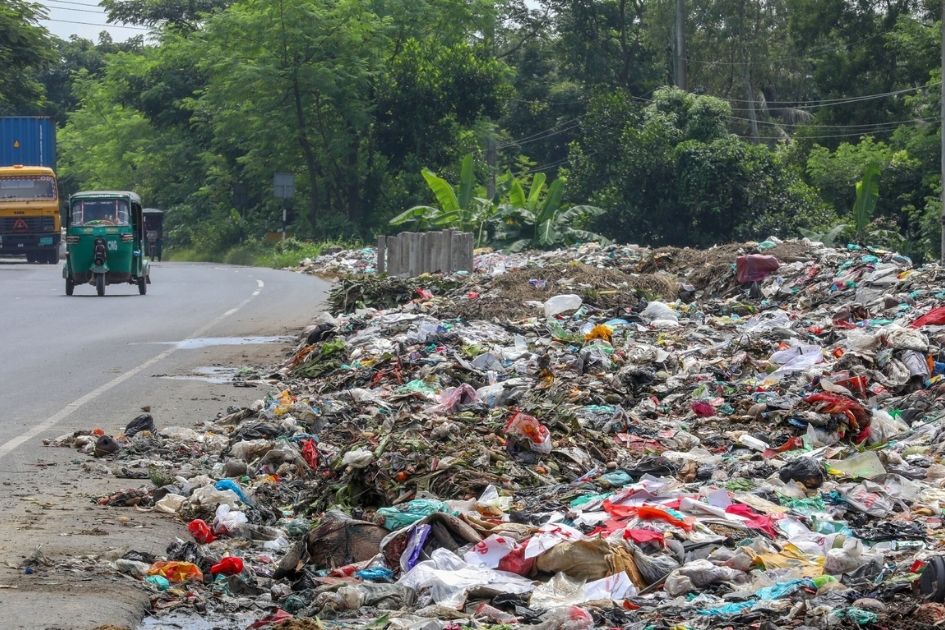
Despite Chattogram City Corporation projects on waste management, signs of mismanagement of garbage can be seen across the city. The secondary roadside dumping grounds are not cleaned on time, negatively affecting the lives of city residents.
Chattogram City Corporation Chief Conservancy Officer Captain Ikhtiar Uddin Ahmed Chowdhury said Japan’s JFE company has been conducting a feasibility study on waste management since 2022 and has submitted a proposal for Waste to Energy production and overall landfill management, which is currently at the ministry’s PPP meeting. Since they have already been working on it and have all the data ready, their proposal is at a fairly advanced stage.
At the same time, a Korean company has conducted a feasibility study for a biogas or bioelectricity project, which would require 500 to 1,000 tonnes of waste per day.
In addition, a proposal from a UK company for producing electricity from waste is also pending at the ministry.
Meanwhile, JICA is using its own funding to build a modern “sanitary landfill” on WASA land near the Halishahar landfill.
At present, because waste is managed through the traditional system, there is no way to filter or manage leachate, which is destroying the fertility of land surrounding the landfill.
Work has begun with various companies, including YPSA and Unilever, to recycle plastic waste. However, although waste collectors or tokai are given protective equipment (PPE) by the City Corporation, they do not wear it and instead sell it.
The City Corporation does not have enough space or capacity at Secondary Transfer Stations (STS) or landfills to separate the huge quantity of waste. Therefore, as in other countries, waste needs to be separated at the source, meaning households.
However, medical waste management has improved considerably. For the past one to one-and-a-half years, general waste and medical waste have been collected separately.
Chattogram city previously had nine secondary dumping stations. This has now been increased to 12 and damaged stations are being repaired.
A new “green type” STS is being built at Gate No. 2, where garbage vans will be able to enter directly, meaning garbage will no longer occupy half of the road.
One of the main obstacles to waste management by the City Corporation is a severe manpower shortage. The mayor does not directly have the authority to recruit drivers or cleaning workers. This depends on approval from the Ministry of Local Government (LGRD).
A ward has an average of 65-70 workers. When divided into three shifts, only around 23 workers are available per shift. With such limited manpower, it is very difficult to collect household garbage, sweep roads and clean drains.
In addition, although people in Dhaka pay Tk 200 to Tk 700 for waste collection, people in Chattogram are reluctant to pay even a small amount to vendors for cleaning services.
The lack of adequate equipment and manpower is putting pressure on Chattogram City Corporation’s waste management. Currently, 3,237 workers are employed in CCC’s waste management, which is 32 fewer than in September 2025.
However, according to officials, the manpower shortage is not the only problem. Vehicles and equipment that are around 25 years old and the lack of sufficient dumping and waste-disposal space are also major obstacles to the collection system.
To address the crisis, a Tk 289 crore project to purchase modern equipment is awaiting ECNEC approval. The project was previously proposed at a cost of Tk 398 crore, but the cost was later reduced.
At the same time, an initiative has been taken to introduce free door-to-door waste collection in 25 wards, which may cost around Tk 15 crore to Tk 20 crore annually.
According to experts, simply purchasing new equipment will not solve the problem. It is essential to ensure waste segregation at source, recycling, proper disposal, awareness among city residents and accountability of the City Corporation.
Dr Sushanta Barua, a health rights activist and member secretary of the “Chattogram Public Health Rights Protection Committee”, said:
Because waste is being disposed of in an unscientific manner, various harmful chemicals contained in it, particularly lead, are mixing with soil, air and water.
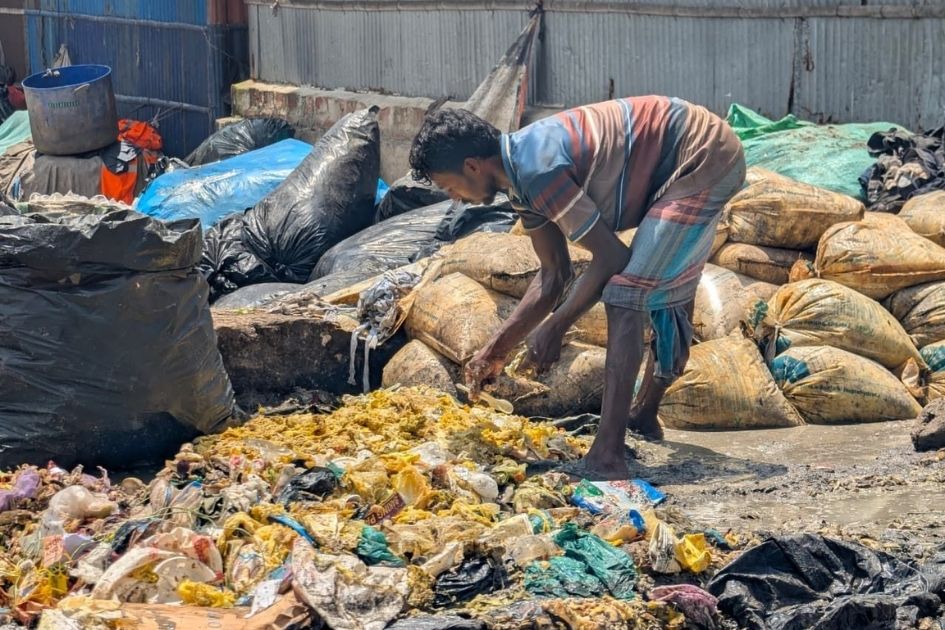
Eating crops grown on this contaminated land or fish cultivated in nearby water bodies causes serious poisoning in the human body. Harmful chemicals such as lead mainly enter the human body through crops.
This lead accumulates in a particular part of the brain, causing children to become restless, intolerant and irritable. If this continues for a long time, important organs such as the liver and kidneys are severely damaged.
If anyone bathes in or uses the polluted water, contact dermatitis or severe allergic skin diseases can develop.
The dirty water or extract released from waste contains large quantities of microplastics. Although microplastics may not enter through crops, they travel through water into rivers and canals and later enter the human body through eating fish, ducks or chickens from those rivers.
He said that if work is not carried out quickly according to a plan to address this problem, the entire city population will have to pay the price.
The city’s garbage dumping grounds are cruel examples of infrastructural failure and unplanned urbanisation. Even so, Suraiya hopes this problem will be resolved quickly in the future and that her children will be well.




