




Dhaka has launched a BUET electric rickshaw pilot on four routes to improve traffic order and cut pollution. Officials say it will be safer and protect livelihoods.
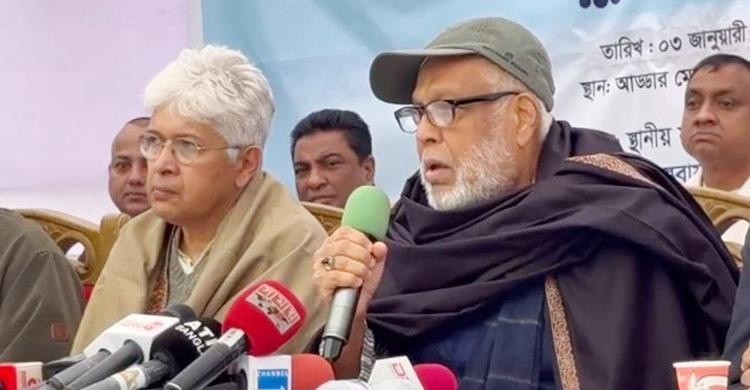
Bangladesh is taking a major step toward cleaner and safer urban transport with the launch of BUET-developed low-speed three-wheeled electric rickshaws. The inauguration at Aftabnagar, Dhaka, was attended by Road Transport and Bridges Adviser Muhammad Fauzul Kabir Khan and Local Government Adviser Adilur Rahman Khan.
The electric rickshaw pilot is part of a broader effort to restore order on Dhaka’s congested streets while addressing air pollution, particularly the health hazards posed by lead emissions from gasoline-powered vehicles. Lead exposure is a serious concern in the city, contributing to neurological, cardiovascular and developmental health risks, especially among children and street-level workers such as rickshaw drivers.
Adviser Fauzul Khan said that while some minister-ranked advisers had recommended removing battery-operated rickshaws from the city, he stressed the importance of protecting livelihoods. “A rickshaw is not just a vehicle or a driver. Behind it is a family, a source of income. Instead of removing rickshaws, restoring order is what matters,” he said.
The initiative will also tackle traffic disorder, which Fauzul Khan identified as being driven largely by buses stopping at random locations. “We will soon launch a bus service where vehicles stop only at designated points, gradually applying this system across city routes,” he added.
Highlighting inefficiencies in Dhaka’s high-speed vehicles, Fauzul Khan explained that while many engines operate at 100–120 kilometers per hour, the average speed in the city is just 6–7 kilometers per hour. “This mismatch leads to massive fuel waste and contributes to unnecessary emissions, including lead pollution,” he said.
The BUET electric rickshaw pilot will initially run on four city routes, with plans for wider deployment. Experts say such vehicles can significantly reduce fuel consumption and harmful emissions, offering a cleaner alternative to traditional gasoline-powered rickshaws and small vehicles.
The electric rickshaws use 38-volt lithium batteries, allowing 70–80 km of travel per charge. Drivers are being trained and licensed before operating the vehicles on designated city routes. Fare and speed limits will be regulated by authorities. The pilot program initially covers four routes, with plans for city-wide expansion.
Organizers say the initiative offers safer, more environmentally friendly transport while supporting livelihoods for rickshaw drivers.
Adviser Adilur Rahman emphasized the importance of inclusive planning. “Dhaka is home to people from all walks of life, especially laborers whose daily work sustains the city. Any transport plan must be citizen-friendly and protect the livelihoods of rickshaw drivers. Through proper training and structured integration into the transport system, we can improve traffic order while reducing pollution.”
Air quality expert Prof Dr Ahmad Kamruzzaman Majumder, Chairman of the Centre for Atmospheric Pollution Studies (CAPS), noted that Dhaka has long struggled with particulate matter and lead contamination from used lead-acid battery recycling factories. The introduction of electric rickshaws represents a promising step toward reducing lead exposure, protecting public health and making the city’s streets safer for drivers and pedestrians alike.
Bangladesh ranks fourth globally among the most lead-contaminated countries, with around 36 million children, nearly 60% of the total, showing elevated blood lead levels.
Lead poisoning impairs children’s intelligence, learning and behavior, while in adults, it increases heart disease risk, causing an estimated 140,000 deaths annually. Lead in pregnant women’s blood can lead to miscarriage, stillbirth and other health risks. The economic toll is severe, costing the nation about $28.6 billion USD each year, or 6–9% of GDP. Significant sources of contamination include unsafe lead-acid battery recycling.




