




In Bangladesh’s coastal southwest, women farmers are turning climate adaptation support into stronger livelihoods, greater confidence and community resilience, using sustainable agriculture to overcome salinity, flooding and economic vulnerability.
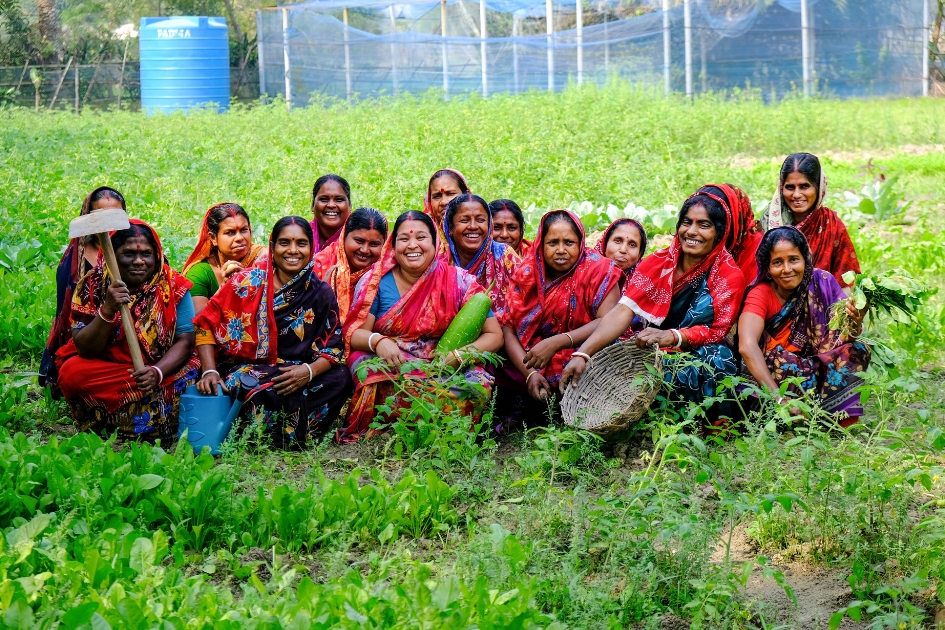
On a humid morning on Bangladesh’s southwestern coast, six women move through rows of cauliflower, spinach and chili peppers growing on a small plot of leased land.
For the women of Bardal Union in Satkhira district, one of the country’s most climate-vulnerable regions, the vegetables represent far more than a harvest. They symbolize a growing sense of economic independence, confidence and resilience in communities increasingly affected by climate change.
For years, rising salinity, cyclones, tidal flooding and waterlogging have challenged farming and livelihoods across Bangladesh’s coastal belt. In many households, women carry the responsibility of securing food and caring for family members but often have limited access to income-generating opportunities.
Women Cultivate Resilience
That reality is beginning to change for some women through climate adaptation programmes that combine agricultural training with livelihood support.
Among them is Ambia Khatun, who began growing vegetables in her homestead after receiving training through the Gender-responsive Coastal Adaptation Project in 2021.
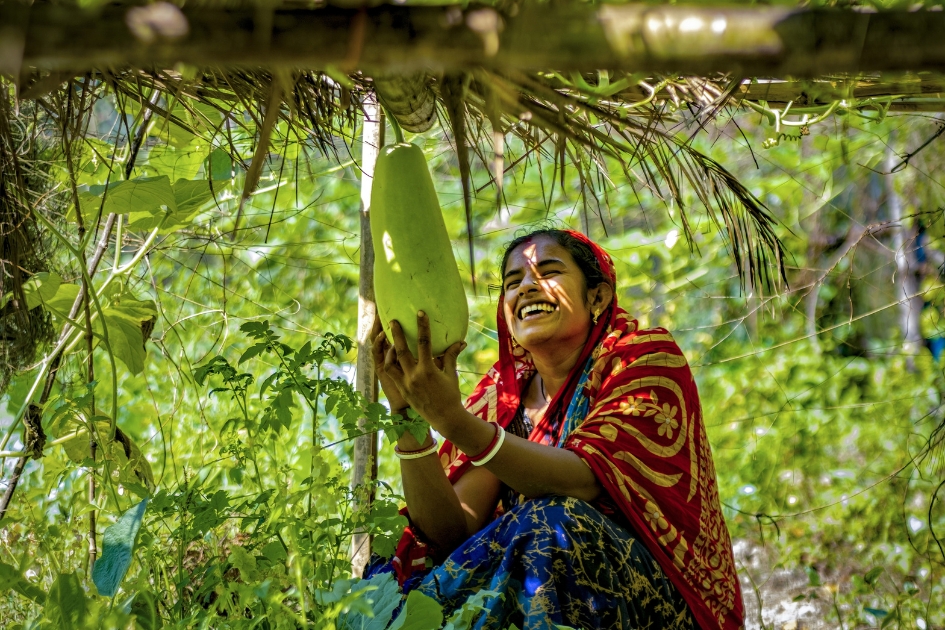
Today, bottle gourd, red amaranth, chili peppers and eggplants grow in her courtyard. The vegetables help meet her family’s nutritional needs while surplus produce is sold to neighbours for additional income.
“Earlier, we bought most vegetables from the market,” Khatun said. “Now I can grow safe vegetables at home, reduce household expenses and earn some money by selling the surplus.”
From Homestead Gardens to Collective Farming
Khatun is also one of six members of the Sheuli Women Livelihood Group in Bardal Union. With support from a small cash grant, the women leased 16 decimals of land in 2025 and began cultivating crops collectively.
Their first harvest of mustard and turmeric generated modest income, encouraging them to expand production. Today, the group grows cauliflower, spinach, beetroot, potatoes, chili peppers and kohlrabi using organic methods without chemical inputs.
The vegetables have gained popularity in local markets where consumers are increasingly seeking safer and healthier food options.
The initiative is part of the Gender-responsive Coastal Adaptation Project, funded by the Green Climate Fund and the Government of Bangladesh and implemented by the United Nations Development Programme and NGO Forum for Public Health. The project supports climate-vulnerable communities through livelihood development, women’s empowerment and access to safe water.
Breaking Social Barriers
The benefits extend beyond income generation.
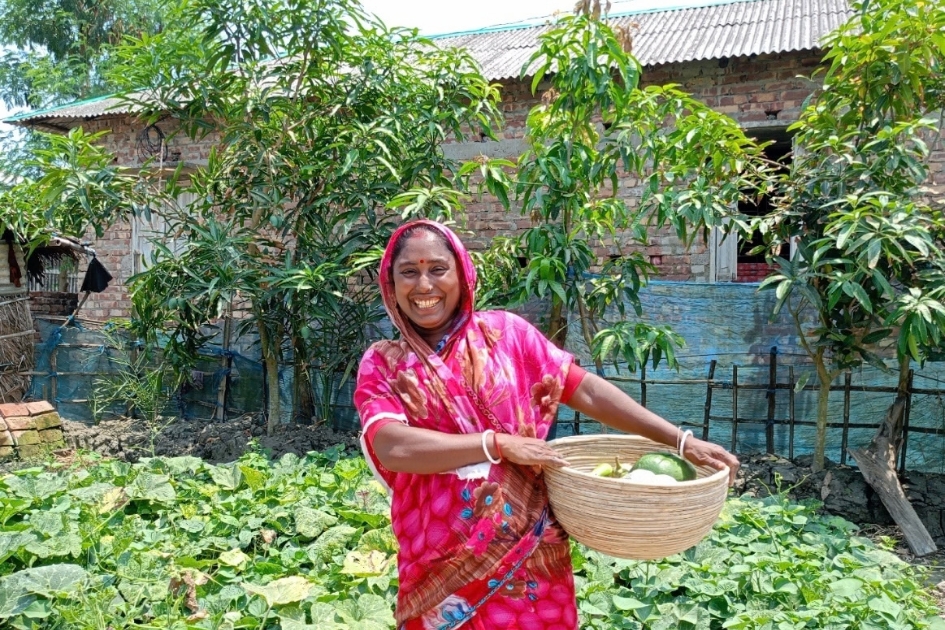
In neighbouring Khulna district, 35-year-old Konkolota Mondol says climate-resilient agriculture has transformed both her livelihood and her place in society.
A resident of Gunari village in Dakop Upazila, Mondol struggled for years to produce enough vegetables from her homestead garden. After receiving training on improved vegetable cultivation, sesame farming and aquageoponics through the GCA project, she expanded production around her home and began selling vegetables and fish directly in local markets.
The decision challenged traditional expectations in her community.
“As a woman, going to the market to sell produce was not easy,” Mondol said. “People criticized me at first but I continued because I knew it was helping my family.”
She now visits local markets twice a week to sell her products and also serves as a community volunteer, helping residents access safe water services.
For Mondol, the greatest change has been confidence.
“Through the project, I gained not only financial stability but also confidence in my ability to make decisions about my own life,” she said.
Adaptation Beyond Infrastructure
Experts say such examples demonstrate why climate adaptation efforts must focus on people as well as infrastructure.
Bangladesh Agricultural University agronomy professor Dr. Md. Romij Uddin said climate adaptation should not be limited to embankments, roads or physical infrastructure.
“Addressing climate change impacts requires strengthening the economic capacity of local communities,” Uddin said. “When women have income opportunities, the whole family and community benefit because women often spend a large share of their earnings on family welfare, children’s education and nutrition.”
He said the experience of women farmers in Satkhira shows that large investments are not always necessary to create change.
“With proper planning, cooperation and even small support, meaningful transformation can begin,” he said.
Small Support, Wider Change
Development practitioners say empowering women is increasingly recognized as a key component of climate resilience. Studies have shown that women often reinvest earnings into household welfare, helping improve food security, health and education outcomes.
In Satkhira’s coastal villages, the results can be seen in small vegetable gardens, local markets and family dinner tables.
What began as a modest grant and a few training sessions has grown into something larger: a network of women who are adapting to climate change while building stronger livelihoods for themselves and their communities.
As rows of vegetables flourish in the coastal soil, women like Ambia Khatun and Konkolota Mondol are demonstrating that climate resilience is not only about surviving environmental challenges. It is also about creating opportunities, strengthening voices and redefining the role of women in some of Bangladesh’s most vulnerable regions.




