


Negotiations at COP17 also exposed disagreements over harmful subsidies, climate-biodiversity coordination and biosafety funding, while Bangladesh prioritised easier finance access for nature-dependent communities.
Developed-country delegates seek more contributors as developing nations demand fulfilment of existing obligations; Bangladesh calls for simpler access to finance.
Countries remained divided over who should finance biodiversity protection on the fourth day of the UN nature summit in Armenia on Thursday, as developed-country delegates sought a broader contributor base and developing nations demanded fulfilment of existing obligations.
Negotiators considered eight options concerning the contributor base without agreeing on a way forward, according to the Earth Negotiations Bulletin. The debate centres on whether changing economic circumstances should bring more countries into international biodiversity funding arrangements.
COP17, the 17th Conference of the Parties to the Convention on Biological Diversity, opened on October 19 and is scheduled to conclude on October 30. The talks focus on implementing the Kunming-Montreal Global Biodiversity Framework, adopted in 2022 to halt and reverse biodiversity loss by 2030.

Financial responsibilities contested
Developed-country delegates pointed to changes in the global economy in arguing for a wider contributor base. Developing-country delegates demanded that developed nations fulfil their existing financial obligations.
Under the Convention, developed countries must provide new and additional financial resources to help developing countries implement their commitments. Other countries may voluntarily assume such obligations. Expanding voluntary contributions is therefore different from changing which countries are expected to provide funding.
The Convention’s list of developed-country contributors was last reviewed in 2006. Some delegates questioned the mandate of a Secretariat study informing proposals. Negotiators also examined accountability, funding eligibility, access, national ownership and participation in the institution operating the financial mechanism.
The framework’s Target 19 calls for mobilising at least $200 billion annually from all sources by 2030. This includes increasing international biodiversity finance from developed countries and countries voluntarily assuming such obligations to at least $30 billion annually for developing countries, particularly the least developed countries and small island developing states.
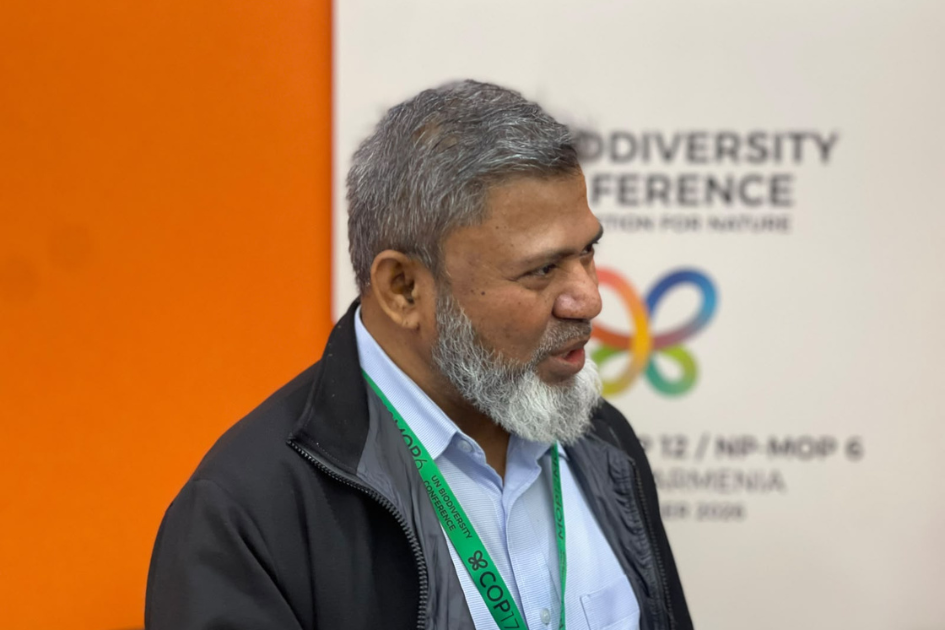
“Simpler access to biodiversity finance is a priority for Bangladesh,” Bangladeshi negotiator Jahidul Kabir told The Climate Watch. “When we support the livelihoods of people who depend on nature, we reduce the pressure on biodiversity. Civil society organisations already have the capacity to work with local communities.”
For Bangladesh, the negotiations have implications for protecting the Sundarbans, freshwater wetlands, hill forests and coastal ecosystems, alongside the livelihoods they sustain.
Integrating nature into economic decisions
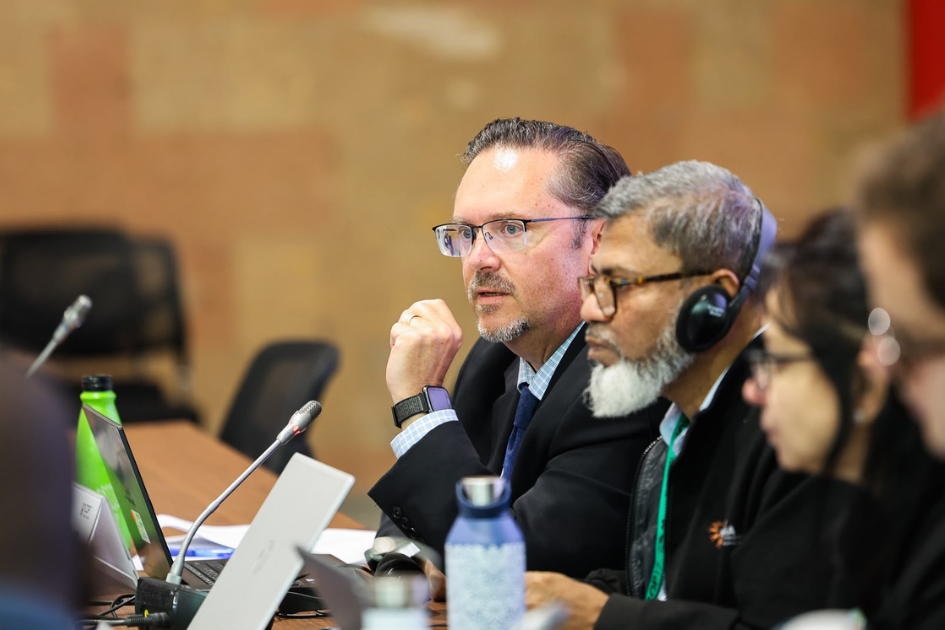
A contact group co-chaired by Bangladesh’s Jahidul Kabir and Canada’s Scott Wilson advanced negotiations on integrating biodiversity into economic activities and policy decisions.
Delegates agreed on wording supporting the integration of biodiversity and its multiple values into decision-making across all sectors, taking national circumstances into account. They also agreed to request the Convention’s Secretariat to facilitate exchanges of good practices and solutions.
However, differences remained over how sectoral actions should align with the Kunming-Montreal Global Biodiversity Framework. Delegates debated references to national circumstances, transition plans and sectoral sustainability, leaving the disputed wording in brackets for further negotiation.
Climate links and harmful incentives
Negotiators continued discussions on coordinating biodiversity protection and climate action, but differences persisted over how detailed and prescriptive the proposed guidance should be.
Delegates debated which ecosystem services to cover and whether to refer explicitly to national climate pledges, adaptation plans and targets. Several preferred a non-exhaustive list of planning instruments. A proposed reference to the Convention’s provisions on financial resources was also discussed.
Separately, countries reviewing collective progress disagreed over wording on reducing or phasing out harmful incentives, such as subsidies that encourage environmentally damaging activities, and expanding positive ones. A smaller group was tasked with seeking a compromise.
Biosafety funding and oversight
Access to finance also featured in negotiations under the Cartagena Protocol on Biosafety, which addresses risks that living modified organisms may pose to biodiversity.
Tanzania highlighted continuing difficulties faced by developing countries in accessing support. Delegates accepted Brazil’s proposal to encourage further contributions to the ninth replenishment of the Global Environment Facility.
Consultations continued over whether funding channels providing direct, adequate, predictable and dedicated support for biosafety should be established or existing arrangements strengthened.
On detecting and identifying living modified organisms, delegates accepted Brazil’s proposal inviting developed countries and countries voluntarily assuming funding obligations to provide resources.
A separate dispute concerned scrutiny of national measures addressing developments in modern biotechnology. The European Union proposed seeking the Compliance Committee’s assessment of the quality of information submitted by countries.
Cameroon and other delegations argued that this would exceed the committee’s role. The proposal remained in brackets, indicating that it had not been agreed. Brazil secured an amendment clarifying that information submissions were voluntary.
Gender and education texts advance
A working group approved a draft decision on the midterm review of the Gender Plan of Action without comments.
On biodiversity education, delegates accepted proposals by the EU and Brazil inviting countries to use a draft global action plan voluntarily. They also agreed on wording encouraging biodiversity education to be integrated into national biodiversity strategies in line with national and subnational education plans.
Following consultations, references to women and youth were removed from one provision concerning resources for education activities, while references to Indigenous Peoples and local communities remained. The change was limited to that funding provision.
Under the Nagoya Protocol on access to genetic resources and benefit-sharing, Saudi Arabia, speaking for 22 Arab countries, secured explicit references to capacity-building cooperation and financial resources in an invitation to provide support.
The working-group texts still require formal adoption. Further consultations are needed on the contributor base and arrangements for predictable, accessible biodiversity funding.