

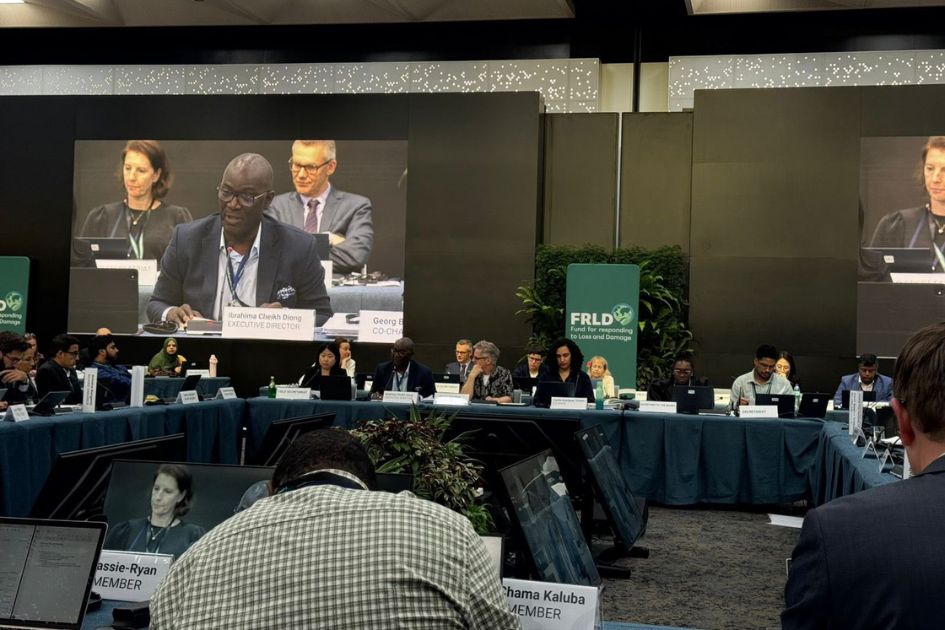



With funding requests far exceeding available resources, the Manila board meeting is expected to shape how the Loss and Damage Fund delivers grant-based support, transparency and country access during its first major funding cycle.
The Board of the Fund for Responding to Loss and Damage (FRLD) convened in the Philippines this week for a pivotal three-day session that started on Wednesday, marking a critical transition from establishing governance structures to delivering tangible financial support for countries and communities on the frontlines of the climate crisis.
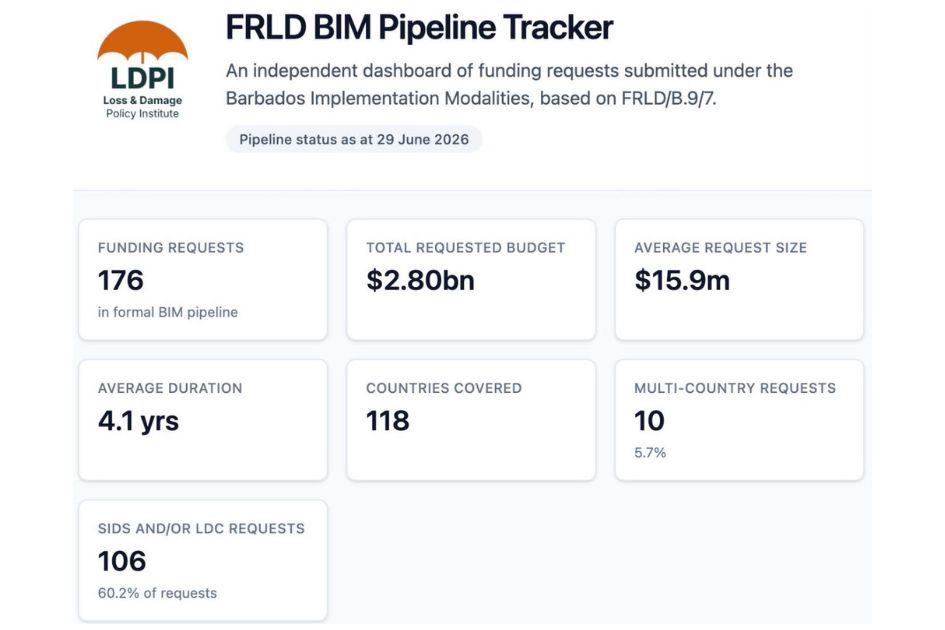
However, the meeting at the Asian Development Bank headquarters in Manila is taking place against a major financial challenge: while vulnerable developing countries have submitted requests totaling approximately $2.8 billion, according to climate finance advocates tracking the process, the fund currently has an initial allocation of around $250 million.
A Critical Test for Global Climate Justice
As the international community faces increasing climate impacts, including floods, cyclones, droughts and the slow-onset impacts of sea level rise, the FRLD is under growing pressure to demonstrate that it can provide predictable, accessible and grant-based support to countries experiencing climate-related losses and damages.
As of the ninth board meeting in July 2026, the FRLD is processing 176 formal submissions from vulnerable developing countries. The proposals include 81 from Africa, 49 from Asia-Pacific, 42 from Latin America and the Caribbean and four from Eastern Europe.
Processed under the Barbados Implementation Modalities (BIM), these submissions reflect the urgent needs of communities facing both economic and non-economic losses, including displacement, loss of cultural heritage, threats to traditional livelihoods and social disruption caused by climate impacts.
Under the FRLD process, proposals undergo a completeness check followed by a technical assessment by the Secretariat to ensure they align with the fund’s specific funding criteria and the Barbados Implementation Modalities. As the fund remains in its early operational phase, several initial proposals, including those from Bangladesh and the Philippines, are moving through different stages of review, feedback and clarification.
Frontline Voices: Bangladesh and the Philippines
Host nation the Philippines is using its role as the 2026 ASEAN Chair to highlight the priorities of climate-vulnerable countries. Environment Secretary Juan Miguel T. Cuna emphasized that the board’s current deliberations are vital to ensuring the effective operationalization of the fund.
“Decisions made during these sessions are vital to the continued operationalization of the fund,” Cuna stated during the opening remarks.
The Philippines has submitted its “Archipelagic Loss and Damage Responses from Local to National Recovery (ALON) Project,” a multi-year initiative focused on ecosystem restoration, livelihood recovery and community financing in Catanduanes and Sarangani.
Bangladesh has also submitted its initial country-led request, which focuses on strengthening community-centered responses to flood-induced loss and damage in northern Bangladesh, where recurring floods, river erosion, displacement and livelihood disruption continue to affect vulnerable communities and workers whose lives depend on climate-sensitive sectors.
The initiative seeks to address not only physical damage caused by flooding but also livelihood disruption, displacement and the social impacts experienced by affected communities.
The Call to Fill the Fund
The widening gap between available resources and growing demand has intensified calls for international donors to increase contributions to the FRLD.
Climate justice advocates, including the Fill the Fund campaign, have warned that delays in approval and disbursement could leave vulnerable communities without urgently needed support.
“Communities are still not getting the financial support they need,” said Harjeet Singh, convener of the Fill the Fund campaign.
Sohanur Rahman, Executive Coordinator of YouthNet Global, said loss and damage finance must prioritize the communities and workers experiencing the impacts of climate change.
“Loss and damage finance must reach communities and workers on the frontlines of the climate crisis in a timely, accessible and predictable manner. For countries like Bangladesh, where floods, displacement and both economic and non-economic losses are already affecting millions, grant-based support is essential to protect livelihoods, recognize dignity and enable climate-resilient recovery,” Rahman said.
Climate justice advocates have emphasized that loss and damage finance should be delivered through grants rather than loans, as many developing countries are already facing increasing financial pressures due to repeated climate disasters.
They have also called for transparent, accessible and community-centered procedures so that the people most affected by climate impacts are not excluded by complex funding requirements.
Looking Ahead
Through Friday, the board will finalize the Results Measurement Framework, the Country Support System and preparations aimed at strengthening transparency, accountability and equitable access within the fund.
As the FRLD moves through its first major funding cycle following its operationalization, the global community is watching closely. For many developing countries, the outcome of the Manila meeting will be an important measure of whether international climate commitments can translate into meaningful and timely support for communities facing escalating climate impacts.
For people living in flood-prone, coastal and climate-vulnerable regions, the effectiveness of the Loss and Damage Fund will ultimately be judged by how quickly and fairly resources reach those working to recover from climate-related losses.




