

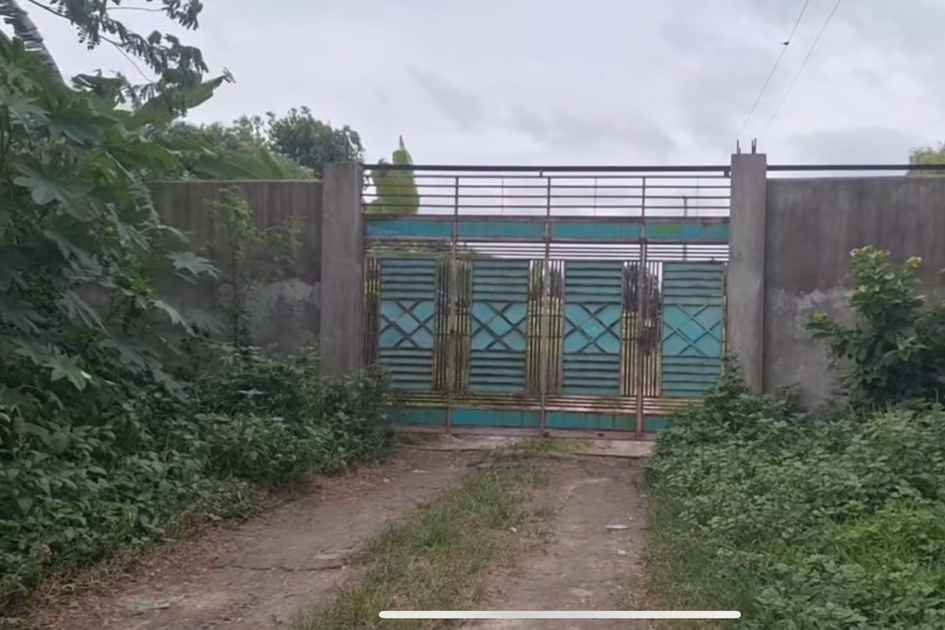

As residents press for soil and water testing, environmental advocates say Hatkhan’s case highlights Bangladesh’s wider struggle to control hazardous informal battery recycling.
Residents of Hatkhan village in Tongibari upazila of Munshiganj district in central Bangladesh say they are facing serious health and environmental concerns due to toxic smoke and hazardous waste allegedly released from a used lead-acid battery recycling facility operating without environmental clearance or approval from the Department of Environment.
The facility, where used batteries are reportedly processed to extract lead, has become a growing concern for communities in and around the Aladi to Kalyanshing area. Residents allege that the release of thick black smoke, acidic fumes and industrial waste has disrupted daily life and exposed several villages to potentially dangerous pollution.
According to local residents, the facility operates mainly at night, from evening until early morning, when workers allegedly burn wood and coal to melt battery plates. They claim that the resulting smoke and strong acidic odour spread across surrounding communities, making it difficult for people to sleep, breathe and carry out normal activities.
Hatkhan village is located in Tongibari upazila of Munshiganj district, where residents say several nearby communities have been affected by emissions from the facility. Community members are calling for urgent environmental assessments, including air, soil and water quality testing, to determine the extent of possible contamination.
Illegal lead recycling has emerged as a recurring environmental challenge in Bangladesh, where informal battery processing units often operate without adequate safety measures or environmental safeguards. Environmental experts warn that unsafe lead recycling can expose communities to toxic pollution while contaminating soil, water, agricultural land and surrounding ecosystems.
Residents report health and environmental impacts
Islam Bepari, a local resident and driver, said pollution from the facility has made movement through the area at night extremely difficult.
“When we drive through the Hatkhan area from Aladi Bazar at night, the smell of black smoke becomes unbearable and makes it difficult to breathe. Driving becomes extremely challenging,” he said.
Residents say the smoke affects not only people living close to the facility but also communities across a wider area. Parents have expressed concerns about children’s exposure to toxic emissions, while farmers fear that contaminated dust and waste could affect agricultural productivity and food safety.
A local farmer said residents are worried that pollution from the facility may be settling on farmland and affecting crops, although no independent environmental testing has yet confirmed the extent of contamination.
Parents in the area said they are particularly concerned about children who may be exposed to lead particles through polluted air, dust and potentially contaminated soil. Health experts warn that children are among the most vulnerable groups because lead exposure can affect brain development, learning ability and long-term health.
Questions over approval and accountability
Residents are questioning how a facility allegedly operating without environmental approval was able to continue operations, including how it obtained access to used batteries, electricity, labour, transportation networks and other resources needed for processing.
Concerns have also emerged over whether proper monitoring and enforcement mechanisms were in place to prevent hazardous recycling activities from affecting nearby communities.
Community members say the issue is not only about one facility but reflects a wider environmental governance challenge, where vulnerable communities often bear the health and environmental costs of unsafe industrial activities.
Environment Department promises investigation
The Department of Environment, a Bangladesh government agency responsible for environmental regulation and enforcement, in Munshiganj said it had received information about the alleged operation and promised action.
Mizanur Rahman, deputy director of the DoE’s Munshiganj office, said officials were aware of the issue and would conduct an on-site investigation before taking necessary enforcement measures.
“We will inspect the site as soon as possible and take action against any illegal factories found to be violating environmental regulations,” he said.
Residents, however, say they want action that goes beyond temporary inspections and assurances. They are urging authorities to ensure that any violation leads to permanent closure, accountability and protection for affected communities.
Health risks from lead exposure
Experts warn that unsafe lead recycling and smelting can release toxic substances that pose serious risks to human health.
Exposure to lead-contaminated smoke and dust can damage the nervous system, kidneys, liver and lungs. Children, older people, pregnant women and individuals with respiratory conditions are among the most vulnerable groups.
According to the World Health Organization, lead exposure has no known safe level for children and can affect brain development, learning ability, behaviour and long-term health outcomes.
Environmental experts say hazardous waste from informal battery recycling can contaminate farmland, water bodies and ecosystems. Lead particles can remain in soil for years and may enter the food chain, creating long-term risks for environmental sustainability and public health.
Experts also emphasise that addressing the problem requires monitoring not only the facilities but also the supply chain of used batteries, as uncontrolled collection and informal recycling can allow hazardous materials to enter communities without adequate safeguards.
Demand for long-term solutions
Residents and environmental advocates say the solution requires more than occasional inspections or temporary enforcement measures.
They are demanding a comprehensive investigation, regular environmental monitoring, health screenings for exposed communities, testing of soil and water contamination, stronger enforcement against unsafe industrial practices and the development of safe and regulated battery recycling systems.
Environmental groups say Bangladesh needs stronger monitoring mechanisms, responsible waste management systems and greater participation of affected communities in environmental decision-making.
“The communities living around these facilities are paying the health and environmental costs of a hazardous industry they did not create,” said environmental advocate Sohanur Rahman. “Protecting communities requires more than occasional inspections. It requires transparency, accountability, safe recycling systems and meaningful participation of affected communities.”
The situation in Hatkhan reflects a wider challenge facing many developing countries, where informal industries may provide economic opportunities while exposing vulnerable populations to toxic pollution. Addressing the crisis requires not only enforcement but also safe recycling systems, stronger environmental governance and long-term protection for communities living on the frontline of environmental risks.




