

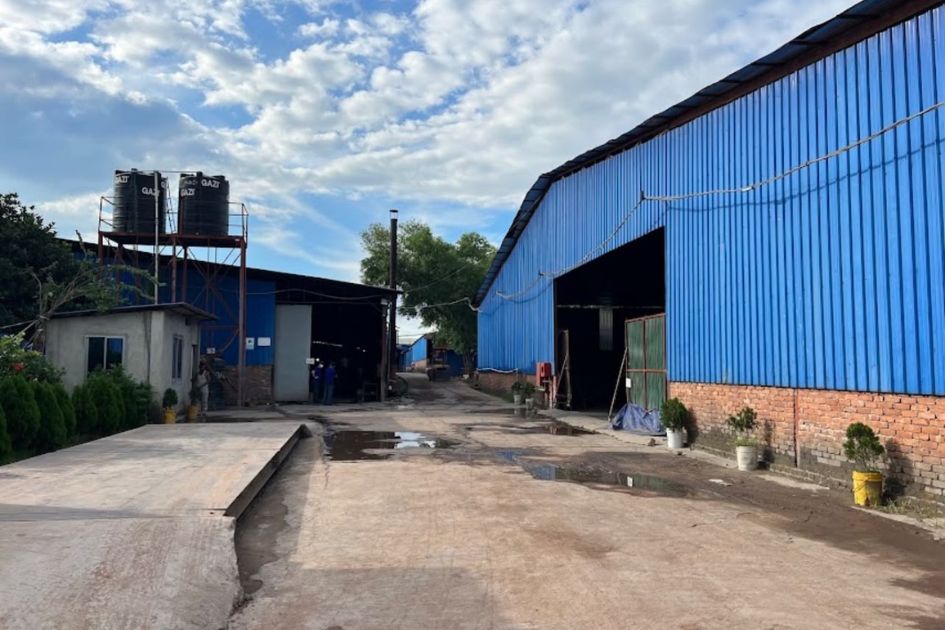



Regulatory action and community complaints in Bhaluka have intensified scrutiny of lead-related industrial activities as Bangladesh confronts widespread childhood lead exposure.
Residents allege toxic emissions are affecting crops, livestock and health as authorities investigate environmental concerns and regulators identify workplace safety violations. Allegations surrounding a Chinese-linked lead-acid battery facility and related industrial activities in the Habirbari area of Bhaluka, Mymensingh, have raised fresh concerns over industrial pollution, public health risks and environmental protection in Bangladesh.
Local residents and media reports have identified the facility as Wan Xiang Industries, alleging that activities linked to used lead-acid battery recycling are releasing harmful emissions and hazardous waste into the surrounding environment. However, the allegations have not yet been independently verified through environmental testing.
The Department of Environment (DoE) in Mymensingh has said it will investigate the facility’s operations. Officials said legal action would be taken if violations of environmental clearance conditions or pollution regulations are confirmed.
Nur Kutube Alom Siddque, Deputy Director of the Department of Environment (DoE), Mymensingh, said authorities would investigate the facility and take strict legal action if violations of environmental clearance conditions and pollution rules were confirmed.
It remains unclear whether the alleged recycling activities reported by residents and the factory operations inspected by regulatory authorities refer to the same operational unit of Wan Xiang Industries Ltd. Authorities have been urged to clarify the nature and scope of activities conducted at the site.
The controversy comes amid growing national concerns over lead exposure in Bangladesh, highlighting the urgent need for stronger regulation of industries associated with lead contamination.
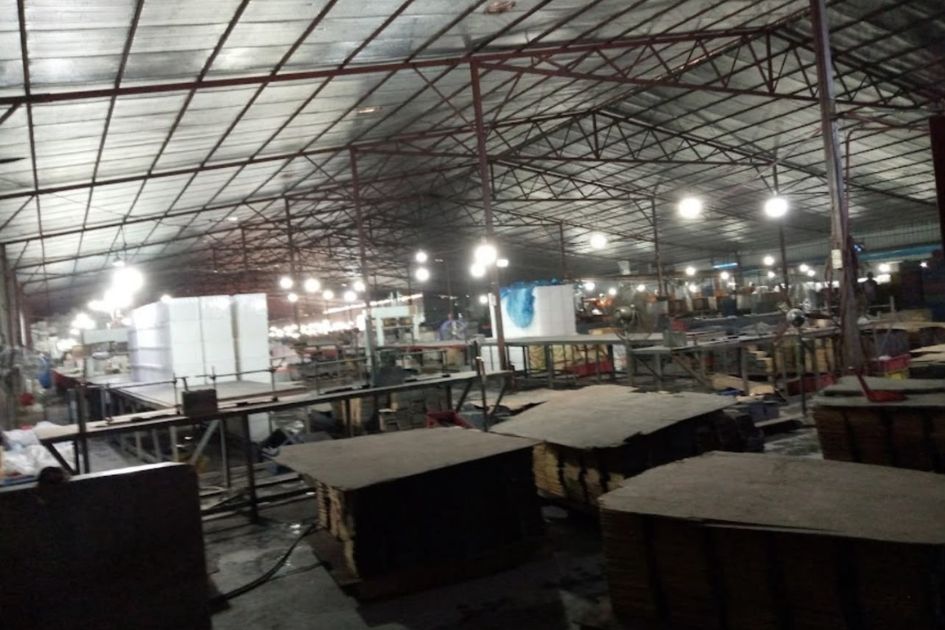
Farmers fear damage to soil and livelihoods
Residents of Habirbari say they have experienced growing environmental problems that they believe are linked to industrial activities in the area.
Local farmers allege that waste discharge from the facility has affected soil quality and reduced crop productivity. They say farming activities that once supported hundreds of families are now under threat.
Farmers also report problems with local crops, including the area’s well-known jackfruits and mangoes, claiming that production has declined and harvest quality has deteriorated.
Residents further allege that industrial emissions, noise pollution and suspected chemical contamination are affecting livestock and vegetation in surrounding areas.
“Our tin roofs are corroding, our lands are producing fewer crops, and the factory’s loud explosions disturb our children at night,” said local resident Md Jannatul Ferdus. “We are living with constant health and environmental risks. Toxic smoke from this factory has made life extremely difficult for everyone here, from children to elderly people.”
Residents are suffering from breathing problems, livestock are becoming sick, trees are losing leaves, and farmers are struggling to grow crops.
He added, “I have been receiving threats from different sources for speaking out to protect our environment. We urgently request the authorities to protect the people of Habirbari and Bhaluka from this environmental threat.”
Regulatory scrutiny and workplace safety concerns
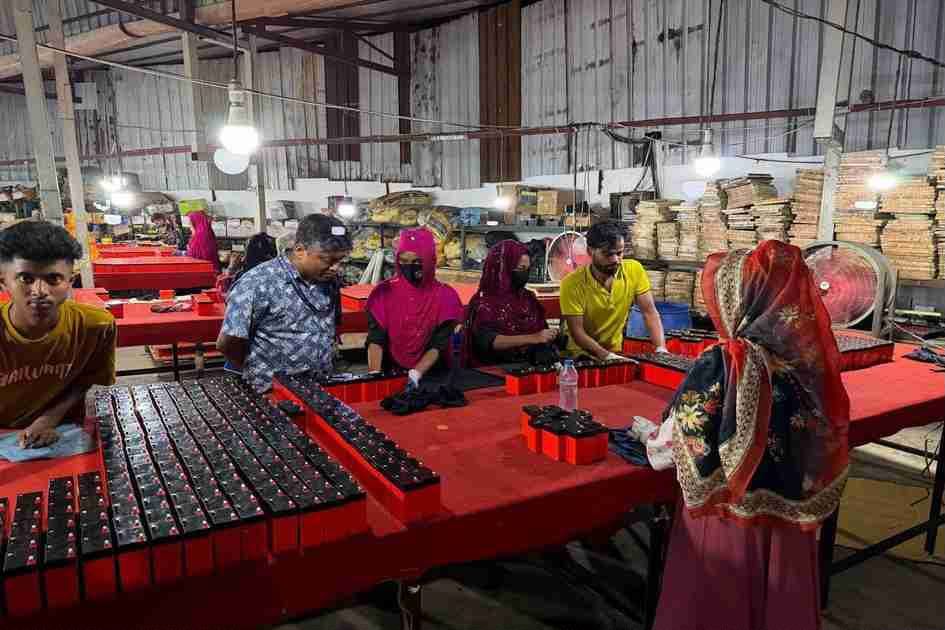
While the environmental allegations are awaiting investigation by the Department of Environment, a separate inspection by the Department of Inspection for Factories and Establishments (DIFE) identified workplace safety and occupational health violations at Wan Xiang Industries Ltd.
Repeated attempts to obtain comments from Wan Xiang Industries Ltd. regarding the allegations were unsuccessful.
During an inspection conducted on May 10, 2026, DIFE officials found multiple non-compliances under the Bangladesh Labour Act, 2006.
Inspectors reported that generators and boiler-related units had been installed in temporary open-air tin-shed structures without adequate fire-resistant protection, creating significant fire and explosion risks.
The inspection also identified exposed main distribution boards, unsafe electrical wiring, lack of thermal testing records, inadequate earthing certification and weaknesses in integrated fire safety arrangements.
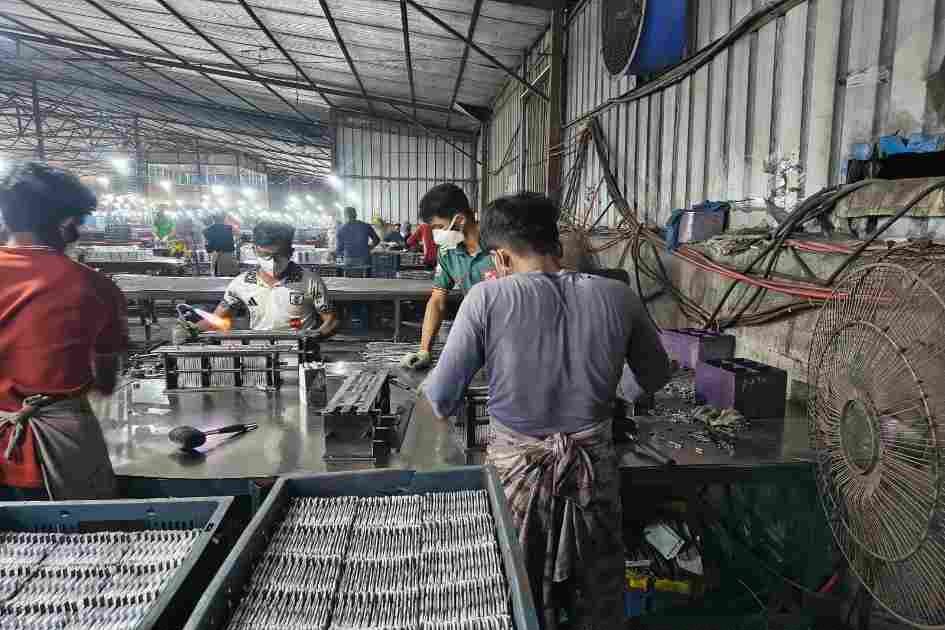
DIFE also raised concerns about indoor environmental conditions in high-risk areas, including lead plate casting, welding, oxide production, battery charging, assembly and lead recycling sections.
Inspectors reported that workers were exposed to lead-contaminated dust and toxic fumes due to inadequate ventilation and the absence of proper air treatment systems.
Under Sections 61(2) and 85(3) of the Bangladesh Labour Act, 2006, DIFE ordered suspension of operations in identified hazardous sections and prohibited the use of non-compliant equipment.
The corrective measures include:
- construction of dedicated fire-rated enclosures for generators and boilers;
- upgrading electrical systems with certified safety testing;
- mandatory blood lead level testing and medical fitness evaluations for exposed workers;
- installation of effective air treatment systems to improve workplace air quality.
DIFE said the affected sections would remain closed until corrective actions are completed and cleared through formal re-inspection.
Public health and environmental justice concerns
Residents living near the facility have reported respiratory difficulties, skin problems and other health concerns that they believe are linked to industrial emissions. However, medical assessments and environmental testing are required to establish direct links between pollution and specific health impacts.
Environmental experts say industries involved in lead-related activities must be subject to strict monitoring, safe waste management practices and transparent regulatory oversight.
Community demands stronger oversight
The regulatory action comes amid growing community concern in Bhaluka, where residents and local representatives have organised protests demanding stronger oversight of industrial activities.
Residents have alleged that some lead-related operations may be taking place without proper approval and have raised concerns about possible impacts on agricultural land, ecosystems and community health. Authorities have yet to confirm these allegations through investigation.
Environmental activists say authorities should conduct transparent inspections, including air quality monitoring and soil and water contamination testing, to determine the extent of possible environmental impacts.
The government has developed strategies to address health risks linked to battery recycling and lead-related industries, but environmental advocates say stronger enforcement is needed to protect communities living near industrial facilities.
For residents of Habirbari, the issue has moved beyond pollution control to a question of environmental rights and public health protection.
The Bhaluka controversy highlights a broader challenge for Bangladesh: ensuring that industrial growth does not transfer environmental and health costs onto local communities. Residents, experts and advocates say stronger monitoring, transparent inspections and effective enforcement are essential to prevent toxic exposure before irreversible damage occurs.
Bangladesh faces wider lead exposure challenge
The concerns surrounding the Bhaluka facility come at a time when lead exposure has emerged as a major public health challenge in Bangladesh.
According to the Bangladesh Multiple Indicator Cluster Survey (MICS) 2025, titled “Progotir Pothe” (On the Path to Progress), 38.4 percent of children aged 12 to 59 months have blood lead levels of at least 5 micrograms per decilitre, the internationally recognised threshold requiring public health intervention.
The assessment, conducted by the Bangladesh Bureau of Statistics (BBS) with technical support from UNICEF, is Bangladesh’s first nationally representative survey measuring blood lead levels among young children and pregnant women.
The survey found higher lead exposure among children living in urban areas and communities located near industrial activities, informal recycling facilities and lead-related industries.
For families living near factories, battery recycling sites and polluted environments, lead exposure is not an abstract environmental concern but a daily risk that can affect children’s health, education and future opportunities.
Public health experts warn that childhood lead exposure can permanently affect brain development, reduce learning ability, influence behaviour and contribute to lifelong health complications. Experts say there is no known safe level of lead exposure, making prevention, early detection and stronger regulation essential.




