


A joint declaration from Nepal’s buffer zone committees and civil society calls for stronger, equitable governance, better representation, transparent decisions, fair revenue sharing, and evidence-based measures to reduce human-wildlife conflict.
Chitwan, Nepal: Representatives from buffer zone management committees, user groups and conservation-related civil society organizations working in and around Nepal’s protected areas have issued a joint declaration calling for stronger, more inclusive and equitable governance of buffer zones.
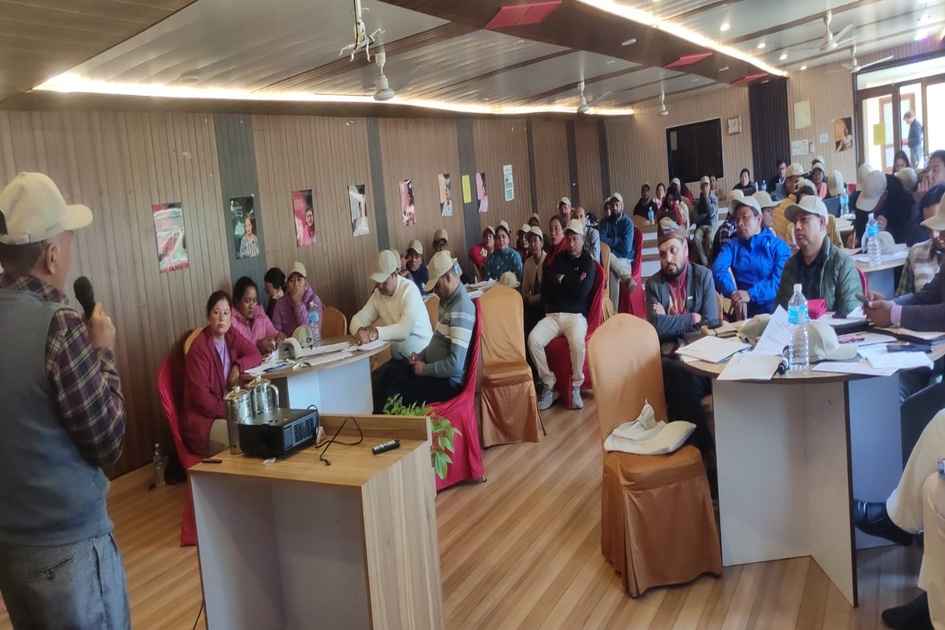
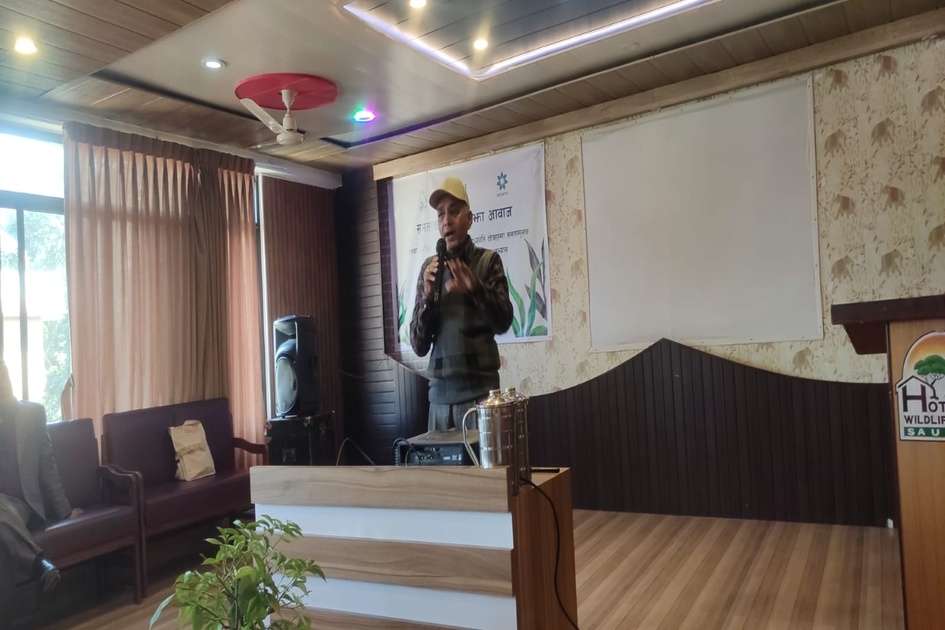
The declaration was endorsed by 58 participants following extensive discussion and consultation during the “Shared Voices for Equity” program organized by RECOFTC Nepal in Sauraha, Chitwan, on January 11 to 12, 2026 (Poush 28 to 29, 2082 BS).
Participants from the buffer zones of Chitwan, Parsa, Banke and Langtang National Parks, along with organizations active in conservation and community development, acknowledged that existing policies, laws and operational guidelines related to protected and buffer zone management require improvement. They noted that despite legal provisions, effective participation and fair benefit sharing for women, Dalits, Indigenous Peoples and forest-dependent local communities remain inadequate. The declaration emphasizes the need for collective advocacy to amend relevant laws and policies to ensure transparency, inclusiveness and meaningful community participation in decision-making processes.
The declaration further highlights the importance of strengthening the institutional capacity and accountability of buffer zone management committees and user groups. Participants committed to making decision-making processes more participatory and transparent, conducting regular meetings and general assemblies, ensuring timely financial audits and enhancing coordination with concerned stakeholders. They also agreed to push for immediate amendments to existing regulations to address ambiguities in the formation and functioning of buffer zone user committees.
Recognizing the critical role of local communities in conservation, the declaration stresses the protection and promotion of traditional rights, indigenous knowledge and skills of women, Dalits, Indigenous Peoples, youth and forest-dependent households. Conservation and management initiatives, the participants stated, must not undermine these traditional practices but instead strengthen community resilience and livelihoods.
The declaration also underlines the need for effective coordination and collaboration with local governments. Participants pledged to work closely with local authorities and to advocate for the inclusion of buffer zone priorities in local government policies, plans and programs. Concern was expressed over the declining trend in the distribution of the legally mandated 30 to 50 percent revenue generated from protected areas to buffer zones in recent years. The participants committed to jointly engaging with the federal government to ensure that buffer zone communities receive their rightful share of revenue as stipulated by law.
Addressing issues of representation, the declaration notes that the participation of women, Dalits, Indigenous Peoples and other marginalized communities in buffer zone committees remains weak. In line with the National Forest Policy 2019, the participants committed to taking concrete steps to improve representation and leadership of marginalized groups in governance structures.
The declaration also draws attention to the growing challenge of human-wildlife conflict in buffer zones and surrounding forest areas. Participants agreed to strengthen existing coexistence practices and called for scientific studies to assess habitat requirements of large wildlife species and the carrying capacity of existing forest areas to support evidence-based conservation planning.
In addition, the participants emphasized the importance of social accountability and transparency. They committed to regularly publicizing activities and decisions of buffer zone user committees through public hearings, social audits and other accountability mechanisms. The declaration further highlights the need to promote conservation education and to systematically document, publish and disseminate good practices, challenges and lessons learned through appropriate communication technologies.
The joint declaration concludes with a commitment to regularly conduct Community of Practice learning forums in coordination with conservation partner organizations. These platforms will be used to share experiences, address emerging challenges and collectively strengthen equitable and sustainable buffer zone governance in Nepal.




