




BNP’s manifesto promises major power and energy reforms, targeting lower costs, transparency, renewables and domestic resources as Bangladesh heads toward its 13th parliamentary election with focus on sustainability and accountability.
The Bangladesh Nationalist Party (BNP) has pledged sweeping reforms in the country’s power and energy sector, alleging that corruption, non-transparent procurement, costly short-term contracts, high capacity charges and excessive import dependency over the past decade and a half have made the sector expensive and inefficient.
In its election manifesto announced on Friday ahead of Bangladesh’s 13th parliamentary election, BNP said it aims to build an affordable, reliable and environmentally sustainable power and energy system through transparency, efficiency and optimal use of domestic resources.
Power sector expansion and modernization
According to the manifesto, BNP plans to increase Bangladesh’s power generation capacity to 35,000 megawatts by 2030 and expand transmission lines to 25,000 circuit kilometers. The party pledged to maintain a balance between public and private power generation while modernizing inefficient power plants.
BNP also committed to fully upgrading transmission and distribution systems, introducing smart grid technology, reducing system losses and improving the reliability of electricity supply.
The party said it would review rental and short-term power agreements, including capacity charges, to reduce unnecessary expenditure. It also pledged to ensure transparency in contract processes and implement a least-cost power generation planning model to establish a balanced and realistic energy mix.
Energy audits will be introduced across households, industries and public and private institutions, alongside incentives for adopting energy-efficient equipment. BNP also emphasized increasing domestic energy production to reduce dependency on imported fuel.
Energy sector transparency and domestic resource development
BNP pledged that no secret deals would be signed in power and energy procurement and all agreements would be made publicly accessible. The party said it would renegotiate contracts with foreign companies to protect national interests, ensure technology transfer and maintain reasonable state control.
The manifesto proposes constructing a new crude oil refinery with a processing capacity of five million tonnes, likely to be located in Chattogram or another coastal industrial zone.
BNP also promised to strengthen Bangladesh Petroleum Exploration and Production Company (BAPEX) and expand geological surveys and drilling operations both onshore and offshore to boost domestic gas exploration.
The party said it would strengthen tariff determination mechanisms to ensure affordable and transparent energy pricing. Gas distribution systems and pricing policies will also be reviewed to ensure fair and uninterrupted supply to households and industries.
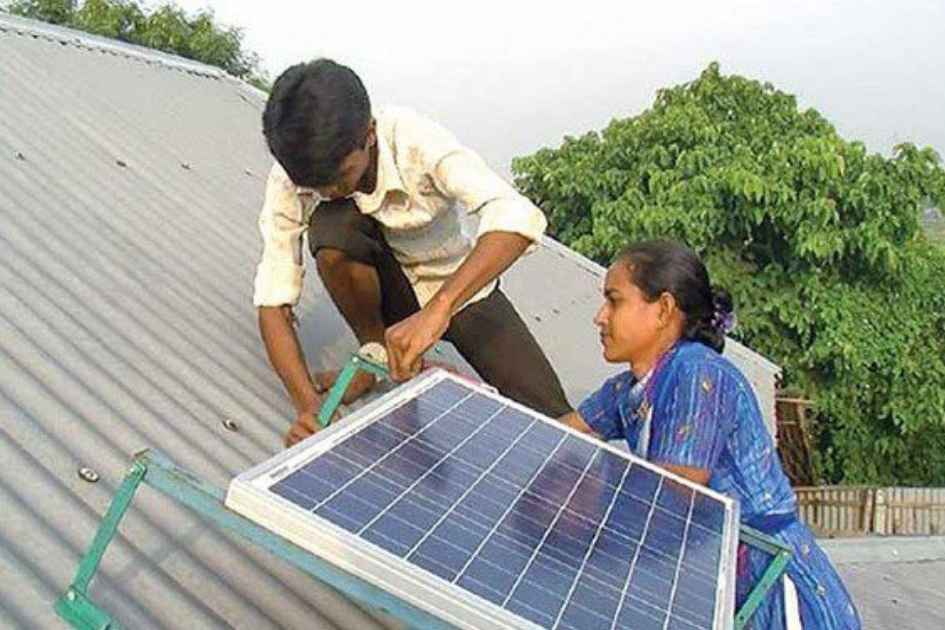
BNP further emphasized strengthening national energy security through regional and cross-border gas pipelines and energy cooperation. Special programmes will be introduced to reduce energy inequality in remote and underserved areas through solar home systems, microgrids and biogas projects.
Renewable energy and future energy transition
The manifesto outlines tax incentives and low-interest green financing to accelerate renewable energy and energy efficiency initiatives. BNP has set a target to increase renewable energy to 20 percent of the national energy mix by 2030.
The party also plans to explore cost-effective hydropower generation through regional cooperation. It pledged to ensure the safe and peaceful use of nuclear energy while reviewing the performance of the Rooppur Nuclear Power Plant and investigating any potential corruption linked to the project.
Additionally, BNP plans to introduce waste-to-energy projects in urban and port areas to meet growing energy demand while reducing environmental pollution.
BNP said its proposed reforms aim to secure long-term energy security, support sustainable industrialization, generate employment opportunities and strengthen Bangladesh’s economic growth trajectory.




