

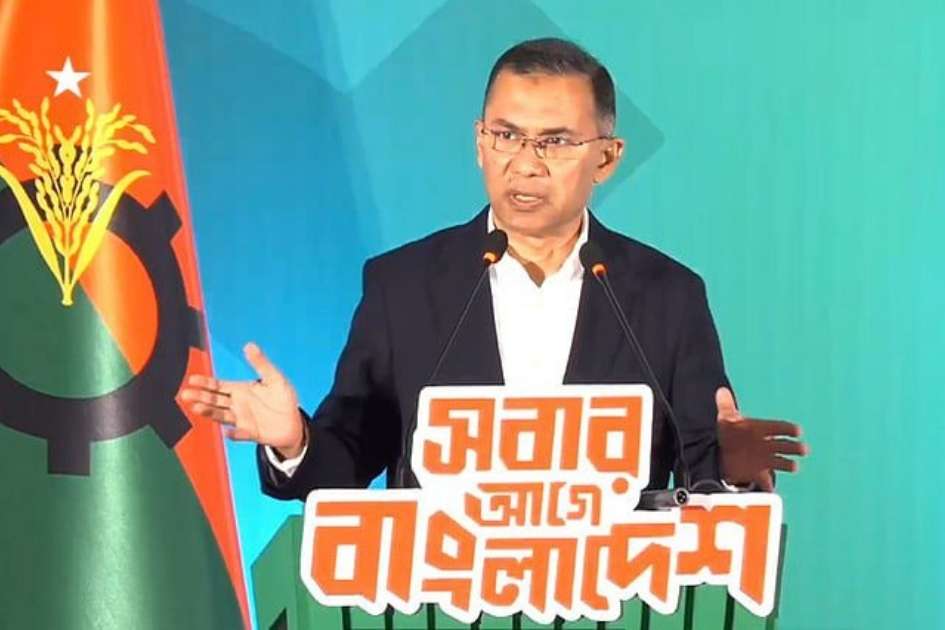



BNP launches election manifesto prioritizing climate action, renewables, river restoration, waste reform and green jobs, pitching a resilient Bangladesh as parties intensify competition ahead of national polls this election season.
The Bangladesh Nationalist Party (BNP) officially launched its election manifesto today, placing strong emphasis on environmental protection, water management, disaster resilience, and green job creation alongside broader socioeconomic reforms.
BNP has committed to achieving 20 percent renewable energy by 2030 and plans to generate billions of dollars in carbon revenue through a self-reliant carbon market.
BNP Chairman Tarique Rahman unveiled the manifesto at 3:30 pm at the Sonargaon Hotel in Dhaka, outlining a comprehensive roadmap that combines the party’s 31-point reform agenda with commitments from its July Charter and recent campaign pledges. “Our goal is a sustainable, resilient Bangladesh where economic development goes hand in hand with environmental stewardship,” Rahman said.
Massive Greening and River Restoration Drive
Strengthening environmental protection and climate resilience through the active participation and volunteerism of patriotic citizens, the plan includes excavating and re-excavating 10,000 kilometers of rivers and canals, planting 150 million trees over the next five years, and implementing modern waste management systems.
Eco-Friendly Materials and Waste Management
BNP plans to gradually phase out harmful plastics and toxic chemicals in households and industries while promoting sustainable alternatives. To tackle urban pollution, especially in Dhaka, the party will implement an integrated waste management system nationwide, including organic fertilizer production, recycling, and waste-to-energy projects.
A Circular Future Model will formalize the work of 200,000 informal waste workers through Material Recovery Centres and e-waste facilities. The 3R policy Reduce Reuse Recycle aims to cut plastic waste by 30 percent within five years. Communities are expected to benefit from cleaner streets, reduced pollution, and improved waste-to-resource management.
Natural Resources Conservation and Biodiversity Protection
Revitalizing forests, wetlands, haor and beel areas, and river canals is a top priority. Illegal occupation of char lands will be reclaimed and converted into grazing zones to boost milk and meat production. Measures will be taken to halt deforestation, hill cutting, mangrove destruction, and wildlife killings.
Industrial activities will be prohibited in sensitive habitats and scenic areas illegally occupied over the years will be restored sustainably. These actions aim to preserve biodiversity, protect water and soil resources, and support local livelihoods dependent on natural ecosystems.
Climate Change and Water Security
The strategy addresses floods, cyclones, tidal surges, desertification, and earthquakes, supported by modern equipment to strengthen institutional capacity. Bangladesh will actively engage internationally to secure technical and financial assistance.
Projects such as the Teesta and Padma barrages aim to improve water security, protect more than 50 million people, and provide irrigation for 7.5 million hectares. Strengthening the Joint River Commission and reviewing water treaties are expected to ensure fair allocation of transboundary water resources. Additional measures include rainwater harvesting, grey-water reuse, rural water reservoirs, high roads, cyclone shelters, early warning systems, and initiatives to reduce soil salinity in agricultural lands near the Sundarbans.
Disaster Preparedness and Rescue Operations
A rapid-response National Search and Rescue Unit will operate alongside the Fire Service, Army, Navy, Coast Guard, local authorities, and volunteer organizations. Fire Rescue Centres equipped with drones, ambulances, and helicopters will function around the clock in every upazila, supported by 50,000 trained volunteers.
An earthquake preparedness program will include public awareness campaigns, post-disaster recovery planning, and volunteer training. The Building Fire Safety Code 2026 will be enforced nationwide under transparent supervision to improve safety in both urban and rural areas.
Greening, Green Jobs, and Eco-Tourism
Bangladesh plans to plant at least 250 million trees over the next five years, generating more than 350,000 green jobs with special focus on women, youth, and rural communities. Ten thousand nursery entrepreneurs will be developed, creating an additional 250,000 jobs.
Innovative initiatives include a Green Canal Bank Model for tree plantation and eco-tourism, GIS-guided tree planting, rooftop gardens, urban afforestation, and drone-assisted planting on river islands, chars, and estuaries. These measures aim to restore greenery while creating sustainable livelihoods.
Youth Engagement and Volunteerism
Green volunteerism will be integrated into school curricula, while a Climate Youth Fellowship and Environmental Start-up Fund will empower young leaders to actively participate in conservation and climate action. Youth-led programs will help monitor progress and ensure community involvement at every stage.
Global and National Implications
Bangladesh’s roadmap reflects its status as one of the world’s most climate-vulnerable countries while highlighting its ambition to emerge as a regional leader in climate resilience and ecological stewardship.
The manifesto places environmental sustainability alongside core electoral commitments on governance, human rights, education, healthcare, and employment. International observers note a stronger focus on water and ecological issues compared to previous election manifestos.
Political Context Ahead of Voting
With days remaining before the 13th national parliamentary election, the manifesto launch drew diplomats, intellectuals, and civil society representatives, underscoring BNP’s attempt to balance socioeconomic reform with environmental responsibility. Political competition continues to intensify nationwide as other parties unveil their own pledges on governance, rights, and public services.
YouthNet Global Calls for Stronger Climate Action
Sohanur Rahman, Executive Coordinator of YouthNet Global, welcomed BNP’s environmental commitments but urged a more comprehensive approach.
“It is encouraging to see plans for river and canal restoration, large-scale tree planting, and modern waste management. However, climate adaptation measures are not emphasized enough. Bangladesh urgently needs a just transition that protects workers, vulnerable communities, and future generations while creating green livelihoods. Policies must also recognize the rights of nature and safeguard ecosystems. Youth engagement, volunteerism, and transparent monitoring will be key to turning these commitments into real and lasting impact,” he said.




