





Scientific recommendations from the Nairobi meeting will shape negotiations at COP17 in Armenia, while implementation discussions now focus on financing, monitoring, accountability and broader participation to achieve global biodiversity commitments.
UN science body warns world is falling behind nature targets ahead of COP17; calls grow for finance, inclusion and urgent implementation.
The world is falling behind its commitments to protect nature, as the United Nations’ leading biodiversity science body concluded its latest meeting in Nairobi with a warning that urgent action, increased financing and stronger implementation are needed to prevent further biodiversity loss.
The 28th meeting of the Subsidiary Body on Scientific, Technical and Technological Advice (SBSTTA-28) under the Convention on Biological Diversity (CBD) ended on August 1 at the headquarters of the United Nations Environment Programme (UNEP) in Nairobi, Kenya, delivering key scientific recommendations to accelerate implementation of the Kunming-Montreal Global Biodiversity Framework (KMGBF).
Scientists have repeatedly warned that biodiversity loss and climate change are interconnected crises threatening ecosystems, food security, livelihoods and human well-being worldwide. The Nairobi meeting highlighted the growing urgency of addressing both challenges through coordinated global action rooted in justice and equity.
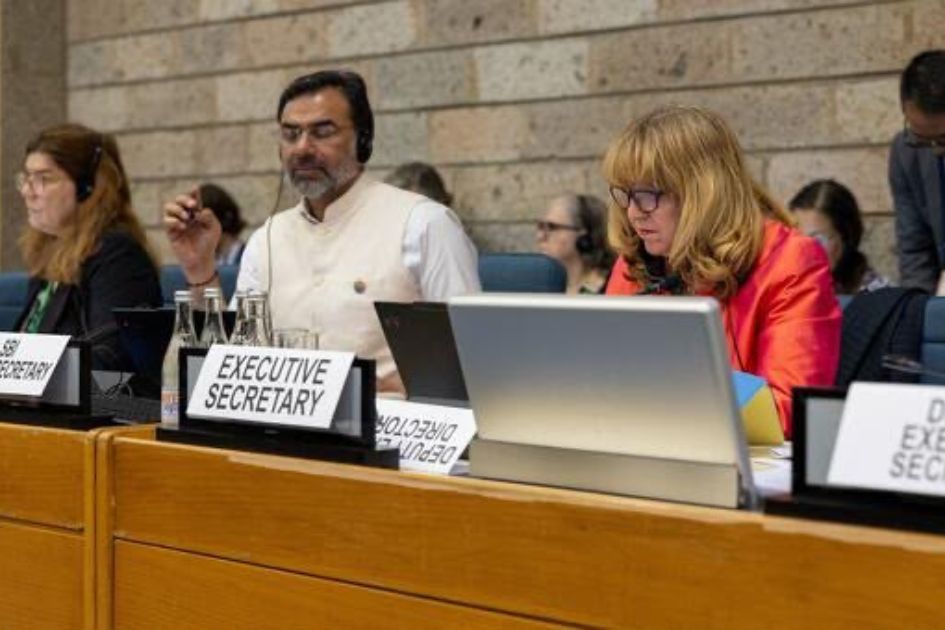
The outcomes of SBSTTA-28 will now guide discussions at the upcoming UN Biodiversity Conference (COP17), from October 19 to October 30, in Yerevan, Armenia.
While delegates achieved progress on biodiversity monitoring, conservation planning and technical guidance, the meeting also exposed major gaps in implementation, financing and participation that could undermine global efforts to achieve the framework’s 23 targets.
World falling behind biodiversity targets
Chair Jean-Bruno Mikissa of Gabon formally closed SBSTTA-28 after days of negotiations involving governments, scientists, Indigenous peoples, local communities, youth representatives and civil society organisations.
Delegates recognised that action is underway across all targets of the KMGBF, involving governments, cities, businesses and communities. However, they expressed “deep concern” that the current pace of implementation remains insufficient to meet global biodiversity goals.
Experts warned that without rapid acceleration, stronger accountability and increased investment, many targets could remain beyond reach.
Biodiversity advocates stressed that the next challenge is translating scientific findings into finance, accountability and measurable outcomes.
Nairobi delivers key scientific milestones
SBSTTA-28 advanced several important areas of biodiversity governance, including preparations for the first global review of progress under the KMGBF. The review will assess collective efforts and identify remaining gaps ahead of COP17.
Delegates also strengthened the biodiversity monitoring framework by advancing the use of headline indicators to improve national reporting and transparency.
Major outcomes from the Nairobi meeting include:
- Strengthening scientific guidance for identifying Ecologically or Biologically Significant Marine Areas (EBSAs) to improve ocean conservation.
- Advancing a thematic action plan on synthetic biology while addressing participation challenges faced by developing countries.
- Developing voluntary guidance for sustainable wildlife management.
- Updating the Programme of Work on Protected Areas, with greater focus on ecological connectivity, effective governance and conservation quality.
Finance and inclusion remain major concerns
Despite scientific progress, observers highlighted unresolved challenges that could slow biodiversity action, particularly in developing countries and communities that depend directly on natural ecosystems.
A major concern remains the absence of a dedicated youth indicator within the biodiversity monitoring framework, despite the growing role of young people in conservation, climate action and environmental decision-making.
Civil society organisations also stressed that Indigenous peoples, local communities and grassroots groups need direct access to finance, technical support and decision-making processes if biodiversity commitments are to succeed.
Many developing countries, which host some of the world’s richest ecosystems, argue that global conservation goals cannot be achieved without increased international support, equitable access to resources and stronger commitments on finance and technology transfer.
From declining fisheries and damaged forests to threats to agriculture and traditional livelihoods, biodiversity loss is already affecting communities across the world.
SBI-7 faces challenge of turning commitments into action
With SBSTTA-28 completing its scientific mandate, attention has now shifted to the Subsidiary Body on Implementation (SBI-7), which began on August 4 at the same Nairobi venue and will continue until August 12.
After Nairobi delivered the science, SBI-7 now carries the political responsibility of answering a fundamental question: how will the world move from commitments on paper to real-world implementation?
The implementation-focused meeting is expected to address biodiversity finance, capacity building, reporting mechanisms and practical pathways to help countries deliver on their commitments.
As biodiversity decline accelerates alongside climate change, experts say the success of the Kunming-Montreal Global Biodiversity Framework will depend not only on ambitious targets but also on political leadership, adequate financing and meaningful participation by communities on the frontlines of environmental change.
COP17 will now determine whether the scientific warnings from Nairobi become another global statement or a turning point for protecting nature and the communities that depend on it.
The message from Nairobi is clear: the world has the scientific knowledge needed to protect nature, but the next step must be urgent, inclusive and properly funded action.




