




AI monitoring, cleaner brick technologies and action against unfit vehicles are central to a coordinated push aimed at cutting health risks and improving environmental accountability in Dhaka.
Facing worsening air quality and growing public concern over pollution, the government has launched a tougher enforcement drive in Dhaka, targeting major sources of environmental degradation, including polluting brick kilns, unfit vehicles and excessive use of hydraulic horns.
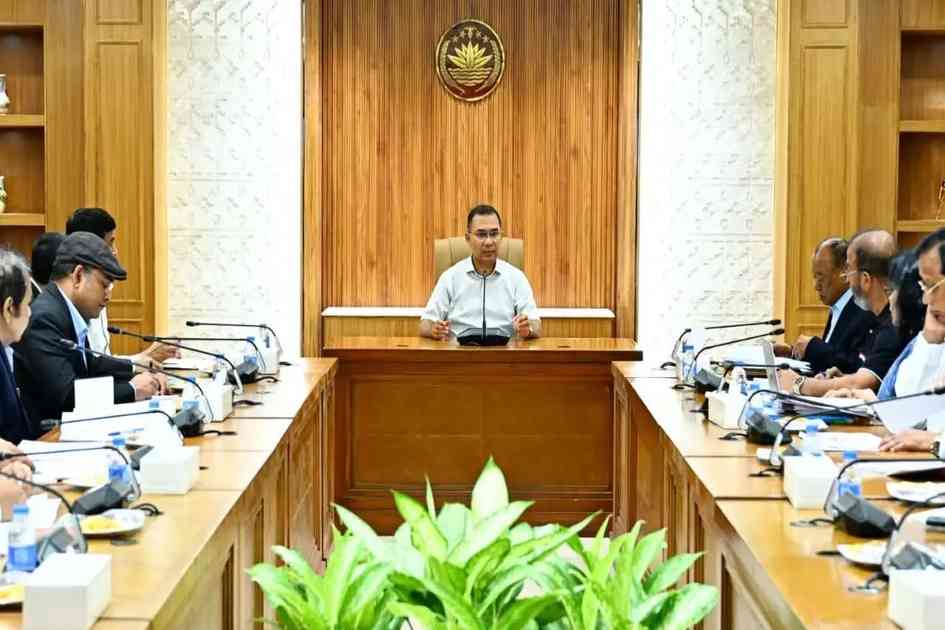
Chairing a high-level meeting at the Prime Minister’s Office on Saturday, Prime Minister Tarique Rahman directed relevant authorities to adopt a “zero-tolerance” approach toward activities contributing to air and noise pollution in the capital.
The measures include expanding technology-based monitoring, strengthening enforcement against high-emission vehicles, improving traffic management, and accelerating the transition toward cleaner industrial technologies.
Dhaka has long struggled with severe air pollution, with transport emissions, brick kilns, construction dust, industrial activities and road pollution identified as major contributors to deteriorating air quality. For millions of residents, polluted air has become a daily challenge, particularly affecting children, elderly people, outdoor workers and communities living near busy roads and industrial zones.
Public health experts have warned that prolonged exposure to fine particulate matter, especially PM2.5, increases risks of respiratory illnesses, cardiovascular diseases and other health complications.
AI-Based Monitoring to Curb Noise Pollution
As part of the new strategy, the government is considering Artificial Intelligence (AI)-based monitoring systems to reduce unnecessary honking and improve enforcement of noise pollution regulations.
The proposed technology could help identify vehicles violating noise rules through smart cameras and automated monitoring systems, allowing authorities to take action against offenders.
The initiative is expected to complement the government’s broader plan to modernise Dhaka’s traffic management system. Authorities have also been instructed to install automatic traffic light systems at 50 additional high-traffic intersections across the capital.
Officials said improved traffic flow and reduced vehicle idling could help lower pollution caused by congestion.
Experts, however, said technology alone cannot solve Dhaka’s noise and air pollution crisis unless it is supported by consistent enforcement, transparent monitoring and effective implementation of environmental regulations.
Cleaner Brick Kilns and Industrial Accountability
Brick kilns remain among the major sources of particulate pollution in and around Dhaka. The government has directed authorities to accelerate the transition from outdated, highly polluting kilns to environmentally sustainable technologies.
While recognising the importance of brick production for the country’s construction sector, authorities stressed that economic development cannot continue at the expense of public health and environmental protection.
Environmental experts said the transition toward cleaner brick production should follow a just transition approach, ensuring that workers, small kiln owners and affected communities are supported during the shift.
A just transition approach would ensure that environmental protection does not leave workers and small entrepreneurs behind while industries move toward cleaner production systems.
Action Against Polluting Vehicles
Authorities have also been instructed to remove unfit, expired and high-emission buses and trucks from Dhaka’s roads, as these vehicles remain significant contributors to urban air pollution.
Experts stressed that reducing transport-related emissions will require broader reforms, including improved public transport services, stronger vehicle inspection systems, cleaner fuels and greater investment in electric and low-emission mobility solutions.
From Policy Commitment to Real Change
The government’s latest initiative addresses several critical questions about Dhaka’s pollution crisis.
What will change?
Authorities will strengthen enforcement against pollution sources, introduce technology-based monitoring, expand automated traffic systems and promote cleaner industrial practices.
Why is stronger action needed now?
Dhaka’s worsening air quality and increasing public health concerns have created an urgent need for stronger pollution control measures.
How will the plan be implemented?
The initiative will require coordinated action among environmental authorities, city corporations, traffic police, transport regulators and other government agencies.
What challenges remain?
Experts say success will depend on consistent enforcement, institutional accountability, public participation and ensuring that cleaner alternatives are available for industries and transport operators.
Environmental activists also called for stronger protection of environmental defenders, greater public participation and regular disclosure of pollution monitoring data to ensure transparency.
They stressed that pollution control requires long-term investment in clean energy, sustainable transport, improved waste management and community-led environmental solutions.
Coordinated Government Action
The high-level meeting brought together senior officials from relevant ministries, city corporations, law enforcement agencies and government institutions to discuss coordinated measures to improve Dhaka’s environmental conditions.
Among those present were Environment, Forest and Climate Change Minister Abdul Awal Mintoo, State Minister Sheikh Faridul Islam, Water Resources State Minister Farhad Hossain Azad, Prime Minister’s Special Assistant on Environment, Forest and Climate Change Dr Saimum Parvez, Dhaka South City Corporation Administrator Md Abdus Salam, Dhaka North City Corporation Administrator Md Shafiqul Islam Khan, Dhaka Metropolitan Police Commissioner Mosleh Uddin Ahmed, Additional Police Commissioner (Traffic) Md Anisur Rahman, along with senior officials from various ministries and government agencies.
The participants discussed strengthening pollution control mechanisms, improving enforcement capacity, expanding technology-based monitoring and ensuring coordinated action among institutions responsible for urban management.
Long-Term Challenge for Dhaka
The latest directives mark an effort to align Dhaka’s rapid urban growth with modern environmental standards. However, experts say enforcement alone will not solve the capital’s pollution crisis.
They stressed that lasting improvement will depend on sustained political commitment, institutional coordination, accountability, public participation and a fair transition toward cleaner and healthier urban systems.
Dhaka’s future environmental health will ultimately depend on whether policy commitments are translated into measurable action on the ground.




