




A youth-led initiative in Mymensingh plants two trees for every newborn, combining climate action, environmental restoration and community engagement while creating a lasting bond between families and nature.
In a country on the frontline of the climate crisis, a group of young volunteers is turning every newborn child into a symbol of hope for a greener future.
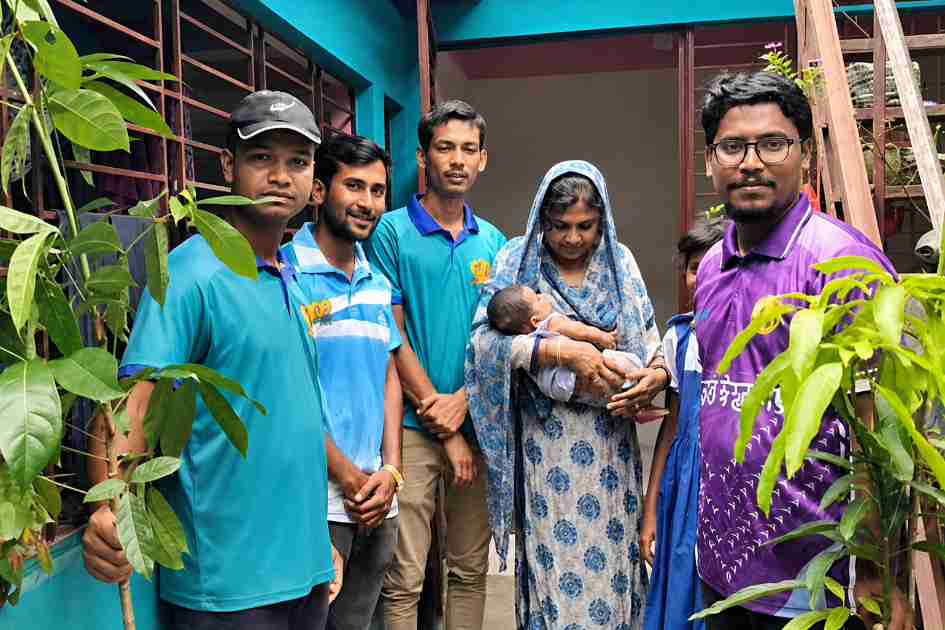
In Ishwarganj, a rural subdistrict in Mymensingh, young volunteers are welcoming newborn babies not with toys or flowers but with two tree saplings. Under the slogan “One Child, Two Trees,” they plant one fruit-bearing tree and one forest tree in the name of every newborn, creating a lasting connection between children, families and nature.
The initiative is led by local youth organization Janatar Ishwarganj, which has already planted more than 2,000 trees in the names of over 1,000 newborns since launching the programme in 2023.
The idea is simple but powerful: as a child grows, so do the trees.
For a country increasingly threatened by rising temperatures, floods, river erosion, cyclones and biodiversity loss, organizers believe community-based environmental action must begin at the household level.
“We wanted to create a culture where every new life contributes to protecting life on Earth,” said founder Ehsanul Haque. “These trees will provide oxygen, absorb carbon, support biodiversity and even create economic value for families in the future.”
Bangladesh continues to face significant environmental challenges from rapid urbanization, shrinking green spaces and climate-related disasters. As one of the world’s most climate-vulnerable countries, local adaptation and ecological restoration have become increasingly important.
Against this backdrop, the Ishwarganj initiative has emerged as an inspiring example of youth-led climate action that combines environmental protection with community engagement and long-term resilience.
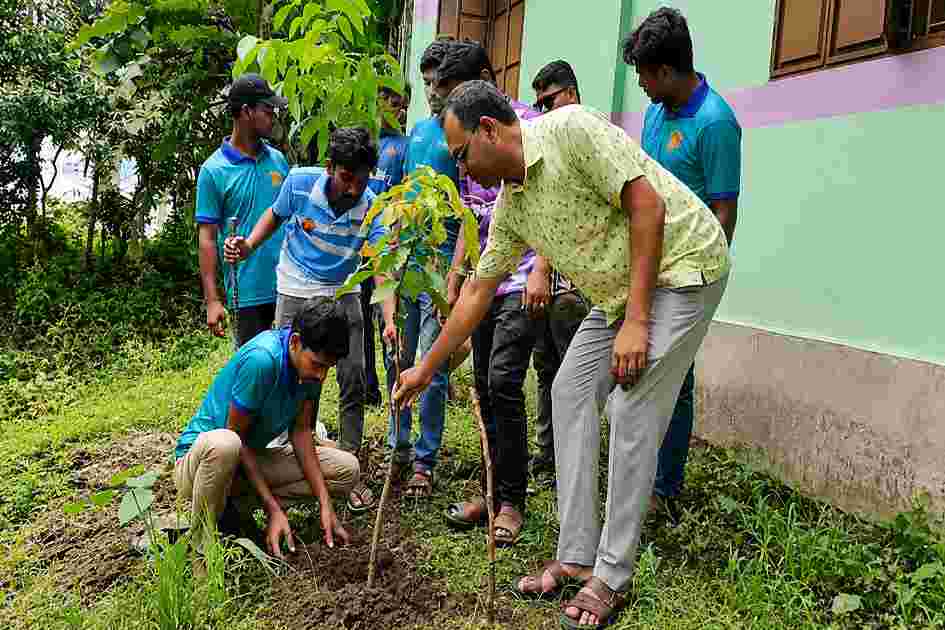
Whenever volunteers hear of a newborn’s arrival, they visit the family carrying two saplings and personally plant them in the family compound. The trees become a living record of the child’s birth and a long-term asset for the household.
Local resident Jyoti Ranjan Sarkar, whose child recently became part of the programme, said the initiative created an emotional bond between his family and the environment.
“Just as we will nurture our child, we will nurture these trees. They will grow together,” he said.
The initiative has also attracted strong support from community leaders and environmental advocates who view it as a practical model for climate resilience, environmental awareness and community participation.
Beyond tree planting, the youth volunteers are engaged in a range of social programmes, including blood donation drives, educational support for disadvantaged children, access to safe drinking water and humanitarian assistance for vulnerable families.
In a further expansion of the initiative, the organization recently announced plans to plant two trees in memory of deceased community members, ensuring that both life’s beginnings and endings contribute to environmental restoration.
Observers say the programme demonstrates how local communities can play a meaningful role in addressing global challenges such as climate change while strengthening social bonds and environmental stewardship.
As governments around the world debate climate policies and emissions targets, the young volunteers of Ishwarganj are offering a simple yet powerful reminder: meaningful climate action can begin in local communities, one family at a time.
In a world increasingly shaped by climate uncertainty, every newborn in this corner of Bangladesh is being welcomed with a promise of a greener, healthier and more resilient future.




