


Bangladesh and the United States advanced trade negotiations in Dhaka, with climate compliance, labour standards, agriculture, investment barriers and regulatory reforms emerging as major issues in the proposed framework discussions.
Bangladesh and the United States have intensified discussions on a proposed framework, with environmental compliance, climate governance, agriculture and regulatory standards emerging as key areas of focus, officials said.
The talks were held on Tuesday in Dhaka during a meeting between senior Bangladeshi officials and a visiting US delegation led by Brendan Lynch, Assistant US Trade Representative for South and Central Asia.
Environment, Forest and Climate Change Adviser Syeda Rizwana Hasan said multiple ministries are coordinating positions on environmental provisions linked to the proposed agreement. She said discussions with the US side also covered the implementation of environmental laws and regulatory standards.
Rizwana said there was no major disagreement on the environmental clauses discussed so far.
“Both sides share an interest in ensuring proper enforcement of environmental regulations,” she said, adding that inter-ministerial concerns should be channelled through the Ministry of Foreign Affairs for coordinated negotiations.
She also said the United States has expressed interest in expanding trade relations with Bangladesh and that discussions include strengthening compliance mechanisms under climate and environmental frameworks.
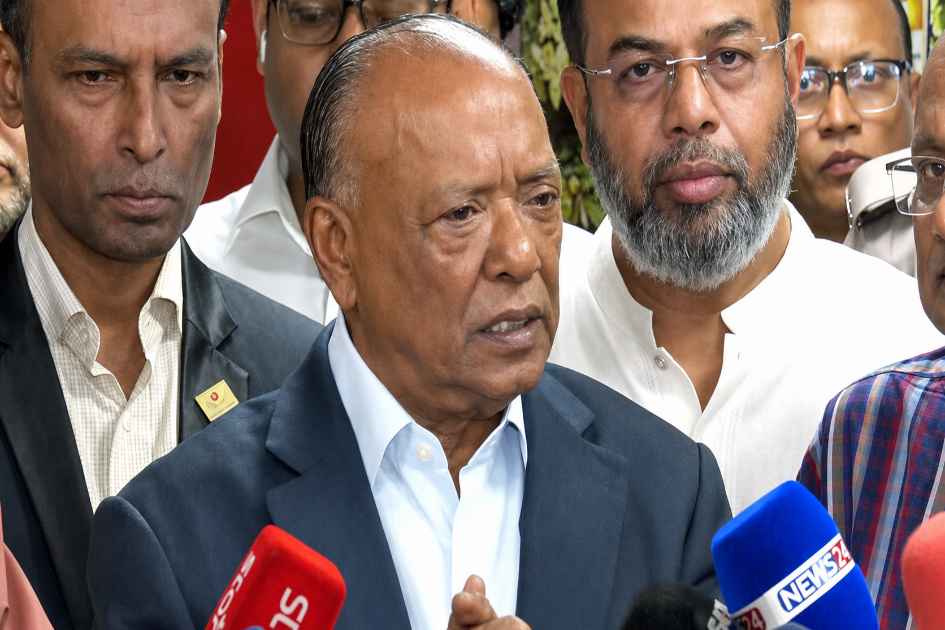
Commerce Adviser Sheikh Bashir Uddin described the proposed framework as mutually beneficial, saying international trade agreements are based on reciprocal interests. He said Bangladesh inherited the ongoing negotiation process and is now working to use it to expand trade and investment opportunities.
He added that the United States has initiated an investigation process, to which Bangladesh has provided explanations and its position.
“Such processes would have been more effective if fully aligned within the negotiation framework,” he said.
The adviser rejected concerns over dumping and overcapacity in Bangladesh’s export sectors, particularly garments, saying the country operates under strict international compliance standards.
Meanwhile, Foreign Affairs Adviser Touhid Hossain urged comparisons with similar US trade arrangements signed with other countries. He said Bangladesh’s commitments should be assessed alongside agreements with countries such as Indonesia, Vietnam and Cambodia.
The discussions come amid growing domestic scrutiny of the proposed agreement, with reports suggesting a higher number of binding commitments for Bangladesh than for the United States.
Critics have described the arrangement as potentially imbalanced, while the government has maintained that the framework includes provisions for revision if any clause is found inconsistent with national interests.
The Centre for Policy Dialogue (CPD) has also raised concerns, while a writ petition challenging the legality of the agreement has been filed with the High Court, citing national interest and economic sovereignty concerns.
Continued US engagement and consultations
According to diplomatic sources, the US Trade Representative delegation is scheduled to meet the chief adviser’s special assistant on economic affairs and planning, Dr Anisuzzaman Chowdhury, on Wednesday morning, the second day of the visit.
On the final day of the visit, the delegation will participate in four roundtable discussions with representatives from labour groups, business leaders and other stakeholders in Bangladesh, focusing on trade, investment and regulatory issues.
US embassy spokesperson Purnima Rai said the delegation, led by Brendan Lynch, is visiting Dhaka from May 5 to 7 to strengthen trade and investment relations.
She said the United States expects a partnership in implementing the reciprocal trade agreement, which aims to improve market access, reduce investment barriers and enhance economic growth in both countries.
Trade tensions and regulatory concerns
Sources familiar with the negotiations said concerns have been raised in Washington over the smooth implementation of the agreement due to growing political and institutional scrutiny in Bangladesh.
The United States is expected to press for full implementation of the agreement during bilateral discussions, while also raising issues related to alleged overcapacity and labour practices, including forced labour concerns. Bangladesh has rejected the allegations.
Washington launched an investigation in March under Section 301 of the US Trade Act of 1974 to assess whether foreign production and policy practices contribute to global overcapacity and harm US industries.
A senior official at the Ministry of Foreign Affairs, speaking on condition of anonymity, said Bangladesh entered the discussions facing multiple pressures, including an upcoming US hearing scheduled this month and ongoing scrutiny of its import policies.
The official said Washington has also sought clarification on Bangladesh’s import regime and is urging policy adjustments in line with the emerging trade framework.
Issues related to crude oil imports from Russia are also expected to come up, as US approval may be required under the agreement’s conditions.
Officials said Bangladesh will have to navigate both the upcoming US hearings and the evolving obligations under the proposed agreement while shaping its import and trade policies accordingly.
The outcome of the discussions is expected to play a significant role in shaping future Bangladesh-US economic relations, particularly in trade facilitation, compliance standards and investment flows.




